
Varicose veins and related venous disorders are common circulation problems that affect the veins of the legs. While often seen as a cosmetic concern, they can also cause persistent discomfort, heaviness, swelling, and fatigue in the legs — especially after standing or sitting for long periods.
At Trinity Hospital and Heart Foundation, Basavangudi, treatment for varicosity of veins is approached with a focus on symptom relief, circulation health, and long-term vein function — rather than rushing patients toward procedures. Under the care of Dr. Sravan C.P.S, patients are evaluated carefully to understand the underlying venous condition and the most appropriate management path.
This service is designed for patients experiencing symptoms, those referred for vascular evaluation, and family members helping with treatment decisions.
Treatment for varicose veins and venous disorders focuses on improving blood flow in the legs and reducing symptoms caused by faulty vein valves.
In healthy veins, blood flows upward toward the heart. In venous insufficiency, these valves weaken, allowing blood to pool in the legs. Over time, this can lead to visible varicose veins in legs, leg heaviness, swelling, skin changes, or discomfort.
The goal of treatment is to:
Treatment plans vary depending on symptom severity, vein involvement, lifestyle factors, and overall vascular health.
Symptoms of venous disorders can differ from person to person. You may benefit from medical evaluation if you experience:
Visible, twisted, or enlarged veins in the legs
Leg heaviness or tiredness, especially by evening
Aching, burning, or throbbing sensation in the legs
Swelling around ankles or calves
Skin darkening or itching near the veins
Restlessness or discomfort after long standing, history of recurrent varicose veins
These symptoms can overlap with other circulatory system diseases. A vascular surgeon's evaluation is essential before assuming the cause or starting treatment.
These symptoms can overlap with other circulatory system diseases. A vascular surgeon's evaluation is essential.
It is important to remember that varicose veins symptoms vary widely. A vascular evaluation determines the appropriate treatment path.
Consult a vascular surgeon if symptoms affect daily life or worsen over time, if you experience persistent leg heaviness, pain, or swelling, or if you have recurrent varicose veins after prior treatment.
Understanding what causes varicose veins and venous disorders helps patients recognise symptoms early and make informed treatment decisions.
Weak vein valves — faulty valves allow blood to pool in legs instead of flowing back to heart
Prolonged standing or sitting — increases venous pressure and weakens vein walls over time
Genetics and age — family history and ageing weaken vein structure and valve function
Pregnancy, obesity, and lifestyle factors — increase pressure on leg veins
<strong>What is venous deficiency?</strong> It is a condition where vein valves fail to properly return blood to the heart, causing blood pooling, leg heaviness, swelling, and visible varicose veins. Early evaluation helps prevent progression.
Treatment is always individualised. Not every patient with varicose veins requires surgery.
In early or moderate cases, non-surgical care may help manage symptoms and slow progression:
How to ease pain from varicose veins? Relief strategies include regular movement breaks, leg elevation, compression stockings, and avoiding prolonged standing — following medical advice tailored to your vein condition.
These approaches are often the first step and may be sufficient for many patients.
Interventional treatment may be considered when:
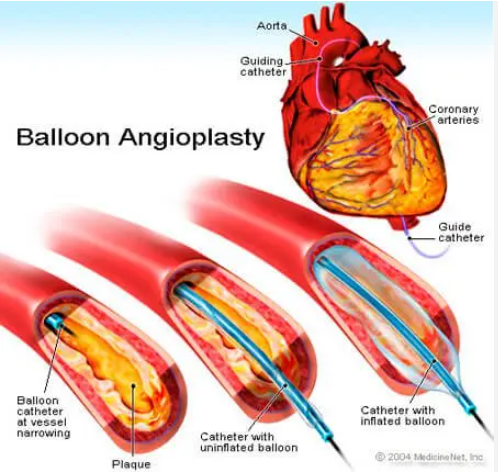
Interventions aim to redirect blood flow away from damaged veins and improve circulation. Decisions are made only after detailed vascular assessment and imaging.
At Trinity Hospital and Heart Foundation, minimally invasive endovenous techniques are preferred for suitable patients due to targeted treatment, reduced tissue disruption, and shorter recovery time.
Endovenous Minimally Invasive Vein Treatment:
Dr. Sravan C.P.S evaluates vein anatomy and venous pressure patterns before recommending this option.
Why choose a vascular evaluation at Trinity Hospital?
At Trinity Hospital and Heart Foundation, varicose veins treatment is supported by structured vascular evaluation and minimally invasive intervention capabilities.
Facility includes:
EMI Options:
Mediclaim & Insurance Coverage:
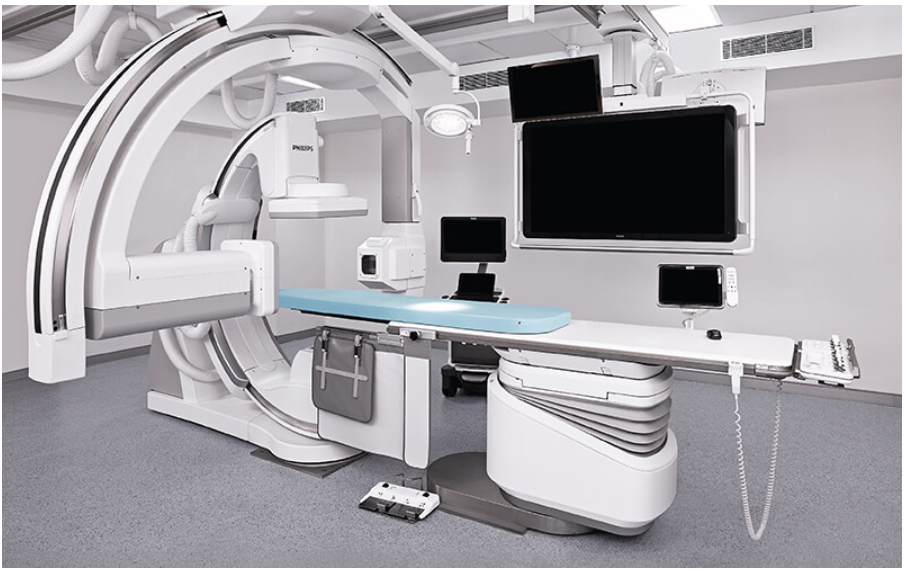
Image-guided catheter-based treatment using laser or radiofrequency energy to close faulty veins. Targeted treatment of affected veins with reduced tissue disruption and shorter recovery time compared to traditional surgery. Performed under controlled, hospital-based protocols by Dr. Sravan C.P.S after vein anatomy and venous pressure evaluation.
Injection-based treatment for smaller varicose veins and spider veins. Sclerosing solution injected into vein causes it to collapse and fade over time. Used for cosmetic concerns or smaller venous insufficiency cases. May be combined with other treatments.
Traditional surgical approach for complex cases not suitable for endovenous treatment. Surgical removal or tying off of affected veins through small incisions. May be required for large, tortuous veins or recurrent varicose veins treatment. Longer recovery than minimally invasive options.
Lifestyle adjustments, varicose veins stockings for women and men, leg elevation, activity modification, and symptom-relief guidance. May include varicose veins ointment recommendations. Regular monitoring for venous insufficiency symptoms progression. Method selection depends on vein size, location, symptom severity, and patient health.
Patients often ask: Can varicose veins make your legs feel heavy? and How to ease pain from varicose veins?
Relief strategies may include:
Important reminder: These measures complement medical treatment but do not replace vascular evaluation. A structured consultation helps determine whether symptoms are vein-related and what treatment options are appropriate.

If you or a family member are experiencing symptoms related to varicose veins or venous disorders, a structured consultation at Trinity Hospital and Heart Foundation, Basavangudi can help clarify:
What the consultation determines:
Consultations focus on informed decision-making, not urgency.
Financial support available:
At Trinity Hospital and Heart Foundation, varicose veins and venous disorders treatment is led by Dr. Sravan C.P.S with a focus on accurate diagnosis, patient education, and selecting treatment options based on individual symptoms — not routine intervention. Patients often seek clarity — and that is the focus here.
Trinity Hospital and Heart Foundation, Bangalore
Dr. Sravan C.P.S is a consultant with focused experience in minimally invasive, image-guided treatments for vascular and venous conditions, including varicose veins and varicocele veins.
His clinical approach emphasizes accurate diagnosis, patient education, and selecting treatment options based on individual symptoms rather than routine intervention. In the management of varicose veins, Dr. Sravan follows a structured evaluation process that includes symptom assessment, vascular imaging correlation, and discussion of both non-surgical and interventional options.
He believes that not all varicose veins cases require immediate procedure-based treatment and prioritizes conservative management when clinically appropriate — including guidance on varicose veins stockings, lifestyle adjustments, and symptom relief strategies.
For patients requiring intervention, Dr. Sravan is experienced in performing endovenous minimally invasive vein treatment using image-guided techniques designed to close faulty veins and redirect blood flow — with reduced tissue disruption and shorter recovery compared to traditional surgery.
Dr. Sravan is known for his clear communication style, helping patients and family members understand available treatment options and limitations, expected recovery and follow-up care, and practical steps for managing venous insufficiency symptoms.
At Trinity Hospital and Heart Foundation, he works within a multidisciplinary care framework, ensuring that each patient receives evidence-based, ethical, and personalised treatment guidance.
Common questions and detailed answers about varicose veins, venous disorders, symptoms, and treatment options
Not always. Some cause only mild discomfort, while others may progress to more serious venous deficiency. Vascular evaluation helps determine risk level and appropriate treatment.
They usually do not disappear on their own, but symptoms can be managed with conservative care including compression stockings, leg elevation, and lifestyle adjustments.
No. Many patients benefit from non-surgical management including varicose veins stockings, symptom-relief strategies, and lifestyle modifications. Surgery or minimally invasive treatment is reserved for cases where conservative care is insufficient.
Common causes include weak vein valves, prolonged standing or sitting, genetics, age, pregnancy, obesity, and lifestyle factors that increase venous pressure in the legs.
This varies based on treatment type and vein involvement. Minimally invasive endovenous treatment is typically completed in 1-2 hours with same-day discharge. Recovery depends on individual factors.
Recurrent varicose veins can occur and may require reassessment. Risk of recurrence depends on treatment method, vein health, and ongoing lifestyle management.
Not always. Duration depends on vein health, symptom severity, and treatment response. Your vascular surgeon will guide you on how long to use varicose veins stockings.
Yes, though they are more commonly reported in women. Varicose veins stockings for women and men are both available and effective for symptom management.
Most modern minimally invasive treatments are designed to minimize discomfort and are performed under local anaesthesia. Traditional surgical methods may have more post-procedure discomfort.
If symptoms affect daily life or worsen over time, if you experience persistent leg heaviness, pain, swelling, or if you are searching for best vascular surgeon for varicose veins near me — consultation is advised for proper evaluation.
Experiencing visible varicose veins in legs, leg heaviness, pain, swelling, or venous insufficiency symptoms? Schedule a consultation with Dr. Sravan C.P.S at Trinity Hospital and Heart Foundation, Basavangudi Bengaluru for expert vascular evaluation and treatment.
+91 8040136999
trinityheartfoundation@gmail.com
Trinity Hospital and Heart Foundation, Basavangudi, Bengaluru, Karnataka
 24 Hour Emergency Aid