

An aortic dissection is a serious heart and blood vessel condition that often begins suddenly and can be frightening for both patients and families. At Trinity Hospital and Heart Foundation, Basavangudi, care for aortic dissection is focused on timely diagnosis, careful monitoring, and choosing the safest possible treatment path for each individual.
Not every patient requires immediate surgery. Some can be managed with medication and close observation, while others may benefit from timely intervention. Under the care of Dr. Sravan C.P.S, patients receive structured, evidence-based evaluation aimed at stabilisation first — followed by the most appropriate long-term solution.
Aortic dissection treatment is not a single procedure — it is a medical strategy designed to protect the aorta, the main artery carrying blood from the heart to the rest of the body.
In simple terms, an aortic dissection occurs when a tear develops in the inner layer of the aorta. Blood can then flow between the layers of the vessel wall, creating what doctors sometimes describe as a "double channel" or "double barrel aorta".
Treatment focuses on:
The approach is always personalised, based on the type of dissection (Stanford classification, DeBakey classification), symptoms, and overall health.
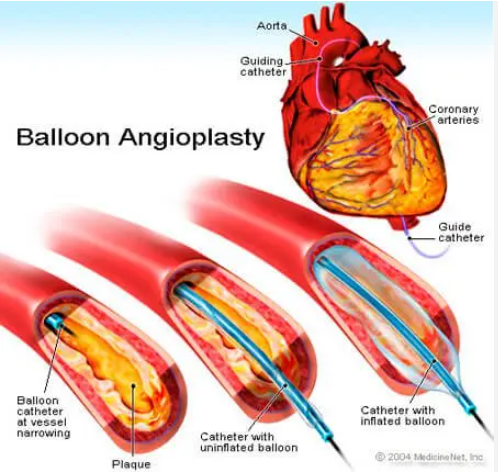
Symptoms of aortic dissection can vary widely and may overlap with other heart or chest conditions. Common warning signs include:
Sudden, severe chest pain often described as tearing or sharp
Pain radiating to the back, neck, or abdomen
Shortness of breath or difficulty breathing
Dizziness, fainting, or sudden weakness or paralysis
Unexplained drop in blood pressure
Arterial dissection symptoms in the neck such as pain or neurological changes
Any unexplained severe chest pain, back pain, or neurological symptoms warrant immediate specialist evaluation.
Any unexplained severe chest pain, back pain, or neurological symptoms warrant immediate specialist evaluation.
It is important to remember that aortic dissection symptoms can overlap with other conditions. Immediate imaging and vascular specialist evaluation are essential.
Seek immediate emergency care for sudden severe chest pain, tearing back pain, fainting, sudden weakness, or neurological symptoms — these may indicate aortic dissection requiring urgent evaluation.
Understanding what causes aortic dissection and how it is classified helps guide appropriate treatment decisions.
Long-standing high blood pressure — most common aortic dissection cause weakening vessel wall
Connective tissue disorders and ageing of the aorta — structural weakness increases tear risk
Previous heart surgery or aortic procedures — can create vulnerable areas in aortic wall
Intimal tear — initial break in inner aortic layer allows blood to enter between vessel layers
<strong>Classifications guide treatment:</strong> Stanford classification (Type A ascending vs Type B descending) and DeBakey classification (anatomically detailed) help determine whether medication, surgery, or endovascular intervention is most appropriate. Aortic dissection chest X-ray may show indirect signs, but CT or MRI provides definitive diagnosis.
Management of aortic dissection is always decided after imaging, diagnosis, and risk assessment. Treatment is not automatically surgical.
For selected patients — especially those with Stanford Type B aortic dissection — non-surgical management may be appropriate. This can include:
Is surgery always required for aortic dissection? No. Many patients are managed with medication and close monitoring, especially in stable Type B dissections where the ascending aorta is not involved.
Many patients live stable lives with careful medical management when surgery is not immediately required.
Surgery or endovascular intervention may be considered when:
The goal of intervention is to secure the aorta and prevent complications — not to rush patients into surgery. Treatment selection is guided by Stanford classification of aortic dissection and DeBakey classification of aortic dissection alongside patient health and intimal tear location.
At Trinity Hospital and Heart Foundation, the preferred approach is case-based selection of aortic dissection surgery or endovascular repair, guided by structured decision-making.
Classification systems guide treatment:
Treatment options based on classification:
This structured decision-making helps ensure that intervention is used only when it provides clear clinical benefit, with emphasis on safety, precision, and post-treatment stability.
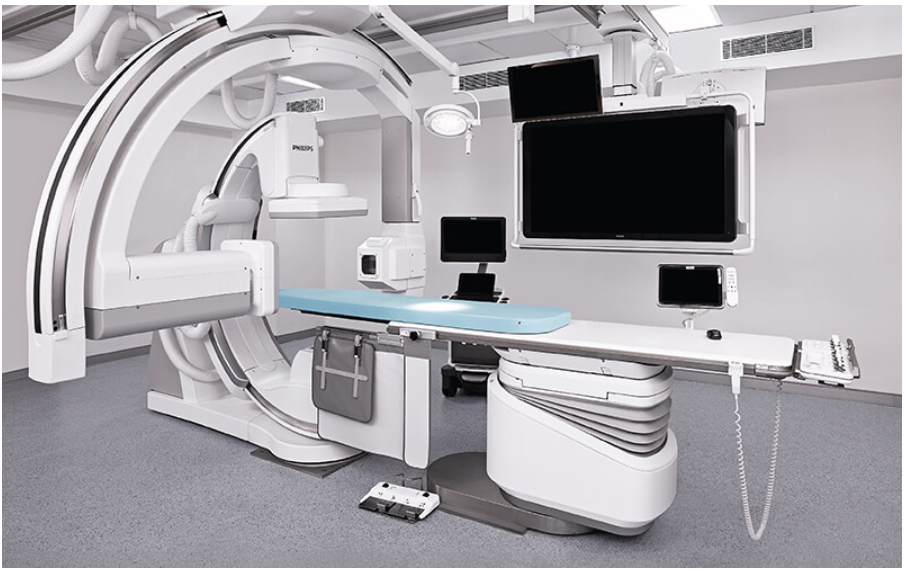
At Trinity Hospital and Heart Foundation, aortic dissection evaluation and treatment are supported by advanced imaging, emergency protocols, and vascular surgery capabilities.
Facility includes:
EMI & Payment Support:
Mediclaim & Insurance Support:
Direct surgical repair for Type A dissections involving the ascending aorta. Requires open-chest approach to replace damaged aortic segment with synthetic graft. Essential for life-threatening ascending aortic dissections. Longer recovery but definitive treatment for high-risk dissections.
Minimally invasive approach for selected Stanford Type B aortic dissection cases. Catheter-guided stent graft deployed to seal intimal tear and restore true lumen blood flow. Shorter recovery than open surgery. Used when anatomy is suitable and ascending aorta not involved.
Blood pressure control, pain management, serial imaging with CT or MRI to monitor double barrel aorta stability. Appropriate for stable Type B dissections without organ compromise. Long-term follow-up essential to detect progression. Can aortic dissection recur? With proper treatment and monitoring, recurrence risk reduced.
Combination of surgical and endovascular techniques for complex anatomical situations. May involve surgical debranching followed by endovascular stent placement. Choice of method determined after diagnostic imaging and thorough consultation. No single method suitable for all patients.
After intervention or during medical management, long-term monitoring and blood pressure control are essential to prevent complications and recurrence.
Post-treatment care includes:
Can aortic dissection recur?
With proper treatment and follow-up, recurrence risk can be reduced. However, long-term monitoring is essential as the aorta remains vulnerable to new tears or aneurysm development.

Care for aortic dissection at Trinity Hospital is centred on clarity, caution, and patient safety. A consultation with Dr. Sravan C.P.S focuses on:
What the consultation includes:
Financial support available:
If you are seeking evaluation for aortic dissection symptoms or treatment options in Basavangudi, Bangalore, a specialist consultation can help clarify the safest next steps.
At Trinity Hospital and Heart Foundation, aortic dissection evaluation and treatment are led by Dr. Sravan C.P.S with rigorous training, international fellowship experience, and a focus on timely diagnosis and evidence-based vascular emergency care.
Trinity Hospital and Heart Foundation, Bangalore
Dr. Sravan C.P.S is a highly experienced Vascular & Endovascular Surgeon serving patients in Basavangudi and across Bangalore with a deep commitment to safe, compassionate, and evidence-based care. His practice focuses on disorders of the blood vessels — arteries and veins — using both advanced minimally invasive techniques and established surgical approaches tailored to each individual's needs.
He completed rigorous training in vascular and endovascular surgery, including a fellowship at the National University Hospital, Singapore. He also served as an Assistant Professor of Vascular Surgery at the Sri Jayadeva Institute of Cardiovascular Sciences and Research, contributing to clinical care, education, and research.
In the management of aortic dissection, Dr. Sravan follows a structured evaluation process that includes emergency imaging correlation, Stanford and DeBakey classification assessment, and discussion of both medical management and surgical/endovascular intervention options. He believes in stabilisation first — followed by the most appropriate long-term solution based on dissection type and patient health.
For patients requiring intervention, Dr. Sravan is experienced in performing open aortic surgery and endovascular aortic repair using evidence-based techniques designed to secure the aorta and prevent life-threatening complications — with careful patient selection and intensive post-procedure monitoring.
Dr. Sravan is known for his clear communication style, helping patients and family members understand the diagnosis, available treatment options and their limitations, expected outcomes and recovery pathways, and the importance of long-term blood pressure control and monitoring.
At Trinity Hospital and Heart Foundation, he works within a multidisciplinary emergency care framework — coordinating with cardiac surgery, intensive care, and imaging specialists to ensure each patient receives evidence-based, timely, and personalised treatment guidance.

Common questions and detailed answers about aortic dissection, symptoms, classification, diagnosis, and treatment
Common aortic dissection causes include long-standing high blood pressure, connective tissue disorders, ageing of the aorta, and previous heart surgery. Uncontrolled hypertension is the most common risk factor.
Diagnosis is confirmed using emergency imaging such as CT angiography, MRI, or specialised aortic dissection radiology studies. Aortic dissection chest X-ray may show indirect signs, but CT or MRI provides definitive diagnosis.
It refers to dissections that start in the descending aorta (after the aortic arch). Many Stanford Type B cases can be managed without surgery using medication and close monitoring, depending on symptoms and complications.
No. Many patients with stable Type B dissections are managed with blood pressure–controlling medications and close monitoring. Type A dissections involving the ascending aorta typically require emergency surgery.
An aortic dissection intimal tear is the initial break in the inner layer of the aorta that allows blood to enter between vessel layers, creating a false lumen or double barrel aorta.
An aortic dissection chest X-ray may show indirect signs such as widened mediastinum. However, definitive diagnosis requires CT angiography or MRI for accurate classification and treatment planning.
A double barrel aorta indicates blood flowing in two channels (true and false lumen) within the aorta. Its seriousness depends on location, size, extent, and whether vital organs are compromised by reduced blood flow.
Both classify dissections by location. Stanford focuses on ascending (Type A) vs descending (Type B) aorta and is commonly used for treatment decisions. DeBakey classification (Types I, II, III) is more anatomically detailed.
With proper treatment, blood pressure control, and long-term follow-up monitoring, recurrence risk can be reduced. However, lifelong imaging surveillance is essential as the aorta remains vulnerable to new tears or aneurysm development.
Any unexplained severe chest pain, tearing back pain, sudden weakness, fainting, or neurological symptoms warrant immediate emergency evaluation. These may indicate aortic dissection requiring urgent imaging and vascular specialist care.
Experiencing severe chest pain, tearing back pain, or sudden neurological symptoms? Seek immediate evaluation at Trinity Hospital and Heart Foundation, Basavangudi Bengaluru with Dr. Sravan C.P.S for expert aortic dissection emergency diagnosis and treatment.
+91 8040136999
trinityheartfoundation@gmail.com
Trinity Hospital and Heart Foundation, Basavangudi, Bengaluru, Karnataka
 24 Hour Emergency Aid