

Varicocele embolization treatment is a modern, minimally invasive option for managing varicocele — a condition caused by enlarged veins in the scrotum that can affect comfort, fertility, and overall quality of life.
At Trinity Hospital and Heart Foundation, Basavangudi, this treatment is offered under the care of Dr. Sravan C.P.S, with a focus on clarity, safety, and patient comfort.
Many patients seek help after noticing discomfort, heaviness, or fertility-related concerns. This treatment exists to address the underlying vein problem while avoiding open surgery wherever clinically appropriate.
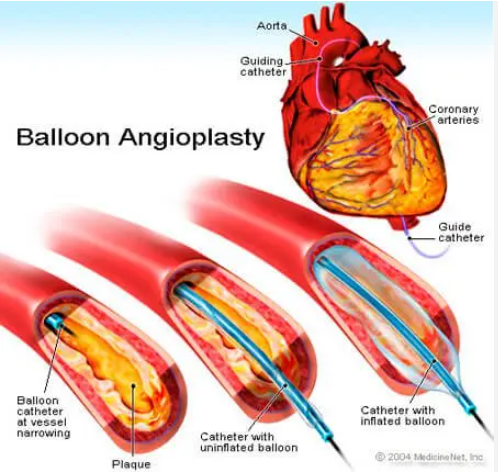
Varicocele embolization is an image-guided, non-surgical procedure designed to block abnormal blood flow in the enlarged veins causing varicocele.
Instead of removing veins, the treatment works by redirecting blood flow to healthier pathways, helping relieve symptoms and prevent progression.
The intent of this treatment is:
It is commonly considered when medication alone is insufficient or when patients prefer a minimally invasive option over open surgical varicocelectomy.
Varicocele symptoms can vary in severity and may progress over time. Common signs include:
Dull aching pain or heaviness in the scrotum
Visible or enlarged veins often described as a 'bag of worms' appearance
Discomfort after prolonged standing or physical activity
Testicular size difference between left and right
Fertility concerns identified during evaluation
Symptoms worsening throughout the day, improving when lying down
Not all varicocele symptoms require immediate intervention. A clinical evaluation is essential to determine whether treatment, monitoring, or lifestyle changes are appropriate.
Not all symptoms require intervention. A clinical evaluation is essential to determine the appropriate approach.
It is important to remember that symptoms alone do not confirm the need for embolization. Proper diagnosis and imaging evaluation are essential.
Consult a doctor if you experience persistent scrotal pain, visible enlarged veins, testicular size difference, or fertility concerns — especially if symptoms worsen with standing or physical activity.
Varicocele occurs when faulty valves in scrotal veins impair normal blood flow, causing vein enlargement and pooling. Understanding the condition helps guide appropriate treatment decisions.
Faulty vein valves — allow blood to pool instead of flowing efficiently back to the heart
Increased venous pressure — causes veins to enlarge over time, typically affecting the left side
Fertility impact — varicocele can affect sperm production and quality in some patients
Progressive symptoms — pain, heaviness, or vein visibility may worsen over time without treatment
<strong>Can varicocele be cured without surgery?</strong> Mild cases may be managed conservatively with supportive measures and monitoring, but definitive correction of the vein abnormality usually requires an interventional approach such as embolization or surgical repair.
Management of varicocele is individualised. Treatment is not always surgical and depends on symptoms, age, fertility goals, and imaging findings.
In early or mild cases — such as varicose veins initial stage — doctors may recommend:
These options may help control symptoms but do not eliminate the abnormal veins. Varicocele home treatment and lifestyle adjustments are supportive, not curative, and should always be guided by a doctor.
Are there medicines for varicocele? Medication may relieve discomfort temporarily but does not correct the underlying vein abnormality.
When symptoms persist, fertility is affected, or vein enlargement progresses, interventional treatment may be advised:
These options aim to stop abnormal blood flow, reduce venous pressure, and prevent long-term complications. The choice of method is based on clinical suitability, anatomy, and patient preference — not urgency or severity alone.
At Trinity Hospital and Heart Foundation, varicocele embolization is performed by Dr. Sravan C.P.S using image-guided, minimally invasive techniques.
The procedure step by step:
Is varicocele embolization painful?
Most patients report minimal discomfort. The procedure avoids surgical incisions and is performed with appropriate pain control. Recovery is typically faster than open surgery.
Why embolization is often preferred in suitable patients:
At Trinity Hospital and Heart Foundation, varicocele embolization is performed in a specialised interventional radiology suite with advanced imaging guidance.
Facility includes:
Varicocele Embolization Cost:
EMI Options:
Mediclaim & Insurance Support:
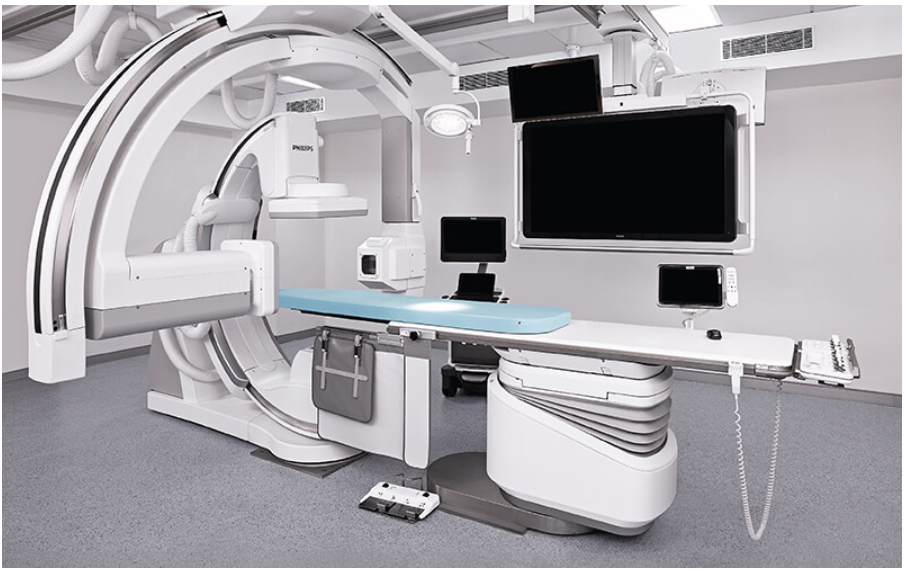
Image-guided, minimally invasive procedure blocking abnormal blood flow using embolic coils or agents. No surgical incision in the scrotum required. Typically allows faster recovery than open surgery. Preferred for patients seeking a non-surgical option or when anatomy is suitable.
Surgical approach using microscope magnification to ligate affected veins. Performed through a small groin or abdominal incision. Higher precision in identifying and preserving healthy vessels. May be preferred in certain anatomical situations where embolization is not suitable.
Minimally invasive surgical technique using small abdominal incisions and a camera. Less invasive than open surgery but still requires general anaesthesia. Used when surgical approach is preferred over embolization based on clinical factors.
For mild cases or varicose veins initial stage — supportive measures, pain relief, activity modification, and regular ultrasound monitoring. Treatment deferred until symptoms worsen or fertility concerns arise. No single method is ideal for every patient — decisions made after evaluation, imaging, and discussion.
Recovery after varicocele embolization is typically faster than open surgical repair due to the minimally invasive nature of the procedure.
Immediate recovery:
Follow-up care:
Can varicocele come back after treatment?
Recurrence is uncommon but possible. Follow-up monitoring is important to detect any recurrence early and manage it appropriately.

Dr. Sravan C.P.S follows a structured, patient-first consultation approach at Trinity Hospital and Heart Foundation, Basavangudi:
The consultation includes:
The goal is informed decision-making — not rushing into procedures.
Financial support available:
If you are experiencing symptoms or have been advised further evaluation, a consultation can help clarify the most appropriate next step — whether observation, medication, or intervention.
At Trinity Hospital and Heart Foundation, varicocele embolization is performed by Dr. Sravan C.P.S with a focus on accurate diagnosis, patient education, and selecting treatment options based on individual symptoms — not routine intervention. The approach emphasizes procedural precision, patient comfort, and post-treatment follow-up.
Trinity Hospital and Heart Foundation, Bangalore
Dr. Sravan C.P.S is a consultant with focused experience in minimally invasive, image-guided treatments for vascular and venous conditions, including varicocele embolization.
His clinical approach emphasizes accurate diagnosis, patient education, and selecting treatment options based on individual symptoms rather than routine intervention. In the management of varicocele, Dr. Sravan follows a structured evaluation process that includes symptom assessment, imaging correlation, and discussion of both non-surgical and interventional options.
He believes that not all varicocele cases require immediate procedure-based treatment and prioritizes conservative management when clinically appropriate. For patients requiring intervention, Dr. Sravan is experienced in performing varicocele embolization — a minimally invasive technique designed to address abnormal venous blood flow without open surgery.
Dr. Sravan is known for his clear communication style, helping patients and family members understand varicocele symptoms and progression, available treatment options and limitations, and expected recovery and follow-up care.

Common questions and detailed answers about varicocele treatment, embolization procedure, cost, and recovery
Varicocele occurs due to faulty valves in scrotal veins that impair normal blood flow, causing blood to pool and veins to enlarge — typically affecting the left side more commonly.
Mild cases may be managed conservatively with supportive measures, pain relief, and monitoring. However, definitive correction of the vein abnormality usually requires an interventional approach such as embolization or surgical repair.
When performed by trained interventional specialists using image guidance, varicocele embolization is considered a safe, minimally invasive option with a low complication rate.
Most patients resume normal activities within a few days, depending on individual response. Recovery is typically faster than open surgical repair.
Not always. Some patients with varicocele have no fertility impact, while others may benefit from treatment to improve sperm quality. Fertility evaluation helps guide treatment decisions.
Medication may relieve discomfort temporarily but does not correct the underlying vein abnormality. Pain-relieving medications and supportive measures are used for symptom control.
Supportive scrotal wear, avoiding prolonged standing, ice application for discomfort, and following medical guidance can help manage symptoms. However, these are supportive measures — not curative.
Each method has specific indications. Embolization is minimally invasive with faster recovery. Surgery may be preferred in certain anatomical situations. Suitability depends on clinical factors and patient preference.
Recurrence is uncommon but possible with any treatment method. Follow-up monitoring with ultrasound helps detect recurrence early if it occurs.
If you experience persistent scrotal pain, visible enlarged veins, testicular size difference, heaviness, or fertility concerns — evaluation is recommended. Early assessment helps determine the appropriate treatment or monitoring approach.
Experiencing scrotal pain, heaviness, visible enlarged veins, or fertility concerns? Schedule a consultation with Dr. Sravan C.P.S at Trinity Hospital and Heart Foundation, Basavangudi Bengaluru for expert, patient-centred varicocele evaluation and treatment.
+91 8040136999
trinityheartfoundation@gmail.com
Trinity Hospital and Heart Foundation, Basavangudi, Bengaluru, Karnataka
 24 Hour Emergency Aid