

Uterine Artery Embolization (UAE) is a minimally invasive treatment option used to manage certain causes of an enlarged or bulky uterus, including fibroids and adenomyosis.
At Trinity Hospital and Heart Foundation, Basavangudi, this treatment is offered as part of a structured care pathway — only after proper diagnosis and when non-surgical options are insufficient.
Many women seek care due to heavy menstrual bleeding, pelvic discomfort, or uterus swelling that affects daily life. UAE exists to offer symptom relief while preserving the uterus in carefully selected cases.
Care is led by Dr. Sravan C.P.S, with a focus on patient education, safety, and individualised decision-making.
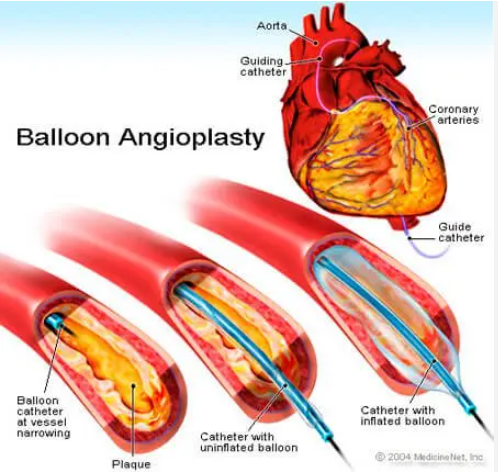
Uterine Artery Embolization is an image-guided embolisation surgery that works by reducing blood supply to abnormal uterine tissue such as fibroids or focal adenomyosis.
The goal of the treatment is not removal of the uterus, but symptom control — such as reducing bleeding, pressure, or pain — by targeting the underlying cause of uterine enlargement.
UAE is commonly performed for:
The suitability of UAE depends on clinical findings, imaging results, age, symptom severity, and reproductive plans.
Patients evaluated for uterine artery embolization often report one or more of the following symptoms:
Heavy or prolonged menstrual bleeding
Pelvic pressure or lower abdominal fullness
Painful periods or chronic pelvic pain
Mild to moderate bulky uterus on scan
Uterus swelling detected during evaluation
Symptoms related to enlarged uterus causes such as frequent urination or discomfort
Symptoms vary widely, and similar complaints can have multiple explanations. A medical consultation is essential before considering any treatment option.
Symptoms vary widely. A medical consultation is essential before considering any treatment option.
It is important to remember that bulky uterus symptoms can have multiple causes. Proper diagnosis and imaging are essential.
Consult a specialist if you have heavy menstrual bleeding, pelvic pressure, chronic pain, or have been diagnosed with fibroids or adenomyosis and seek treatment options.
Understanding what causes an enlarged or bulky uterus helps guide appropriate treatment decisions.
Uterine fibroids — benign growths causing bulky uterus, heavy bleeding, pelvic pressure
Adenomyosis — uterine lining tissue grows into muscle wall causing pain, bleeding, uterus swelling
Hormonal factors — estrogen levels influence fibroid growth and adenomyosis severity
Enlarged uterus causes — fibroids, adenomyosis, pregnancy, or other gynecological conditions
<strong>What is the best treatment for adenomyosis in my case?</strong> Only a detailed evaluation including imaging, symptom severity, age, and fertility plans can determine the most appropriate treatment — which may include medication, <strong>uterine artery embolization for endometriosis</strong>-related adenomyosis, or surgery.
Management of a bulky or enlarged uterus is stepwise, not surgery-first.
In early or mild cases, treatment may include:
These options are often suitable for mild bulky uterus or when symptoms are manageable. Regular follow-up helps determine if further intervention is needed.
When symptoms persist despite conservative care, interventional treatments may be discussed. Options depend on:
What are the indications of uterine artery embolization? UAE is considered for symptomatic fibroids, focal adenomyosis, or bulky uterus causing bleeding or pressure symptoms when conservative management insufficient.
Interventions are considered only after detailed evaluation and patient counselling.
At Trinity Hospital and Heart Foundation, UAE is preferred in appropriately selected patients as the primary minimally invasive method.
Why UAE is preferred when suitable:
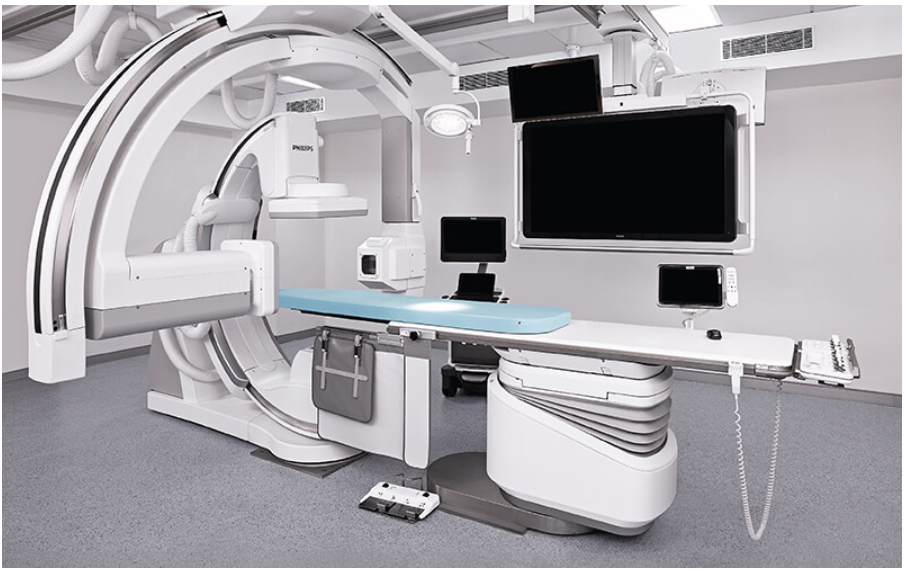
The procedure is performed under imaging guidance by experienced specialists, with close post-procedure monitoring.
UAE procedure overview:
What is the recovery time after UAE? Most patients resume routine activities within a few days, though recovery varies individually. Hospital stay typically 1-2 days.
At Trinity Hospital and Heart Foundation, uterine artery embolization is supported by interventional radiology expertise and comprehensive gynecological care.
Facility includes:
EMI & Payment Options:
Mediclaim & Insurance Support:
Minimally invasive image-guided embolisation surgery blocking blood flow to fibroids or adenomyosis. Preserves uterus while reducing symptoms. Shorter hospital stay and recovery than surgery. Indications of uterine artery embolization: symptomatic fibroids, focal adenomyosis, bulky uterus causing bleeding or pressure. What is recovery time? Most resume routine activities within few days.
Non-surgical treatment using hormonal or non-hormonal medications for symptom control. Suitable for mild bulky uterus or manageable symptoms. Regular follow-up determines if further intervention needed. Often first-line approach before considering procedures.
Surgical removal of fibroids while preserving uterus. May be open, laparoscopic, or hysteroscopic depending on fibroid location and size. Suitable for women planning pregnancy. Longer recovery than UAE but allows tissue diagnosis. Is embolization of fibroids permanent? UAE reduces symptoms but long-term outcomes vary.
Complete uterus removal in select cases when fertility not desired and other treatments insufficient. Definitive treatment but major surgery with longer recovery. What is best treatment for adenomyosis? Depends on individual factors — evaluation determines most appropriate option. Choice based on clinical indication, age, fertility plans, symptom severity.
After UAE, proper recovery care and follow-up monitoring help ensure optimal outcomes and symptom relief.
Post-UAE recovery includes:
What are the side effects of uterine artery embolization?
Temporary pain, fever, or fatigue may occur. These are common and usually resolve within a few days. Serious complications are uncommon but discussed beforehand.
Are there complications associated with UAE? Uterine artery embolization complications are rare but may include infection, incomplete symptom relief, or premature menopause in older patients — all discussed during consultation.

If you are experiencing symptoms related to an enlarged uterus or have been advised further evaluation, a structured consultation with Dr. Sravan C.P.S can help clarify:
What the consultation determines:
Care decisions are made collaboratively — with clarity, not pressure.
Financial support available:
At Trinity Hospital and Heart Foundation, uterine artery embolization and interventional gynecological vascular procedures are led by Dr. Sravan C.P.S with rigorous training, international fellowship experience, and a focus on patient education and minimally invasive treatment.
Trinity Hospital and Heart Foundation, Bangalore
Dr. Sravan C.P.S is a highly experienced Vascular & Endovascular Surgeon serving patients in Basavangudi and across Bangalore with a deep commitment to safe, compassionate, and evidence-based care. His practice focuses on disorders of the blood vessels — arteries and veins — using both advanced minimally invasive techniques and established surgical approaches tailored to each individual's needs.
He completed rigorous training in vascular and endovascular surgery, including a fellowship at the National University Hospital, Singapore. He also served as an Assistant Professor of Vascular Surgery at the Sri Jayadeva Institute of Cardiovascular Sciences and Research, contributing to clinical care, education, and research.
In the management of uterine artery embolization, Dr. Sravan follows a structured evaluation process that includes imaging assessment (ultrasound, MRI) to evaluate bulky uterus, fibroids, or adenomyosis, symptom severity correlation, and discussion of conservative management versus interventional options. He believes in stepwise care — not surgery-first — prioritizing medication and observation when appropriate, reserving UAE for cases with clear clinical need.
For patients requiring uterine artery embolization, Dr. Sravan is experienced in performing image-guided embolisation surgery using fluoroscopy to precisely deliver embolic particles and reduce blood flow to abnormal tissue — with careful patient selection, multidisciplinary gynecology coordination, and post-procedure monitoring.
Dr. Sravan is known for his clear communication style, helping patients and family members understand available treatment options and their limitations, expected recovery and symptom relief timeline, potential side effects and complications, and the importance of follow-up imaging to assess treatment effectiveness.
At Trinity Hospital and Heart Foundation, he works within a multidisciplinary gynecological care framework — coordinating with gynecology specialists, imaging teams, and nursing for comprehensive evaluation to ensure each patient receives evidence-based, ethical, and personalised treatment guidance for enlarged uterus causes and management.

Common questions and detailed answers about UAE, indications, complications, recovery, and cost
UAE is considered for symptomatic uterine fibroids, focal adenomyosis, or bulky uterus causing heavy bleeding, pelvic pressure, or pain when conservative management is insufficient.
When performed in appropriate cases by experienced specialists, UAE is considered a well-established interventional option with defined safety protocols and good outcomes.
Most patients resume routine activities within a few days, though recovery varies individually. Hospital stay typically 1-2 days. Full symptom relief may take weeks to months as fibroids shrink.
Uterine artery embolization for endometriosis-related adenomyosis may be considered in selected cases after detailed evaluation. Results are generally better for focal adenomyosis than diffuse disease.
Temporary pain, cramping, fever, or fatigue may occur after the procedure. These are common and usually resolve within a few days. Nausea and mild vaginal discharge may also occur.
Uterine artery embolization complications are rare but may include infection, incomplete symptom relief, premature menopause in older patients, or rarely uterine injury. All risks are discussed beforehand.
Fertility outcomes vary. UAE is usually considered after careful discussion for women planning pregnancy, as impact on future fertility and pregnancy outcomes is still being studied. Alternative options may be preferred for younger women.
Uterine artery embolization cost depends on hospital stay, imaging requirements, and clinical complexity. Transparent cost estimates are shared after consultation. EMI options and mediclaim coverage available.
UAE reduces fibroid-related symptoms by shrinking fibroids, but long-term outcomes depend on individual factors. Some patients may experience symptom recurrence requiring further treatment years later.
Only a detailed evaluation including imaging (ultrasound, MRI), symptom severity assessment, age, fertility plans, and discussion of all options can determine what is the best treatment for adenomyosis for you.
Experiencing heavy bleeding, pelvic pressure, or diagnosed with fibroids or adenomyosis? Schedule a consultation with Dr. Sravan C.P.S at Trinity Hospital and Heart Foundation, Basavangudi Bengaluru for expert uterine artery embolization evaluation.
+91 8040136999
trinityheartfoundation@gmail.com
Trinity Hospital and Heart Foundation, Basavangudi, Bengaluru, Karnataka
 24 Hour Emergency Aid