

Thyroid Artery Embolization (TAE) is a minimally invasive, image-guided alternative to thyroid surgery for conditions like multinodular goitre, benign hyperactive nodules and difficult hyperthyroidism.
It selectively blocks the arteries feeding the overactive or enlarged thyroid tissue. As blood flow reduces, the gland or nodules shrink and symptoms improve — often without neck surgery.
In Bangalore, TAE with Vascular & Endovascular Specialist, Dr. Sravan C.P.S, is performed at a centrally located hospital in Basavanagudi, easily accessible from Jayanagar, JP Nagar, Banashankari, Wilson Garden and CBD Bangalore.
For the right thyroid patient in Bangalore, TAE can be the most balanced solution between "keep taking tablets" and "go for surgery".
The thyroid gets its blood supply from thyroid arteries in the neck. In conditions like multinodular goitre, benign hypervascular nodules or some cases of hyperthyroidism, these arteries are overactive and support abnormal growth and hormone production.
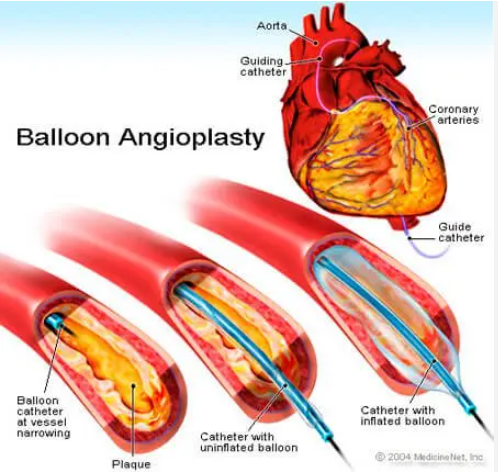
Thyroid Artery Embolization (TAE):
For properly selected patients, TAE becomes a strong middle path between medicines and major surgery.
TAE is not for every thyroid patient. It is typically considered for selected, symptomatic cases where conventional options are limited or unsuitable. You may be a candidate if you have:
Multinodular goitre with neck swelling or pressure symptoms
Benign hypervascular thyroid nodules causing cosmetic deformity, discomfort, or swallowing issues
Hyperthyroidism (overactive thyroid) linked to nodules or goitre — medicines or radioactive iodine not working or not preferred
Recurrent or inoperable thyroid disease where surgery is high risk
High surgical risk due to age, heart, lung or other serious medical conditions
Strong preference for a non-surgical, minimally invasive approach
TAE is usually planned after endocrinology and ENT/thyroid surgeon evaluation.
TAE is typically considered for selected, symptomatic cases where conventional options are limited or unsuitable.
It is important to remember that TAE requires proper evaluation. Team-based thyroid-focused planning is essential.
Consult a vascular specialist for TAE if you have symptomatic multinodular goitre, hypervascular nodules, difficult hyperthyroidism not responding to standard treatments, or high surgical risk.
TAE is a vascular, catheter-based procedure on delicate neck arteries — requiring vascular expertise.
Vascular & Endovascular expertise — TAE demands detailed knowledge of thyroid and neck arterial anatomy, high-precision micro-catheter work, careful controlled embolic delivery
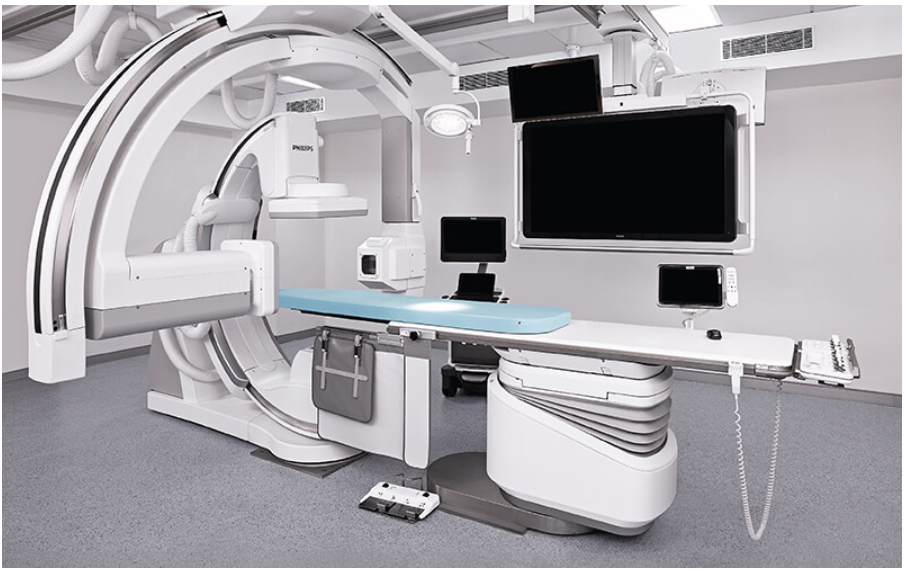
Advanced cath lab in Basavanagudi — Digital Subtraction Angiography (DSA) suite with high-resolution arterial imaging, real-time fluoroscopy, modern embolic materials
Central Basavanagudi location — easy access from Jayanagar, JP Nagar, Banashankari, Wilson Garden, CBD Bangalore and surrounding areas
Team-based thyroid-focused planning — reports review, endocrinology/ENT coordination, clear explanation of risks/benefits/alternatives, targeted organ-sparing option
<strong>Why choose TAE with Dr. Sravan in Bangalore?</strong> Because TAE is a vascular, catheter-based procedure requiring a vascular expert. As a <strong>Vascular & Endovascular Specialist</strong> working in an advanced cath lab in Basavanagudi, Dr. Sravan offers precise thyroid artery embolization with a structured, team-based thyroid care plan.
Most thyroid treatment plans follow a clear ladder. TAE offers a minimally invasive option when medicines are insufficient and surgery is risky or not preferred.
Medicines:
Medicines are often first line but:
Radioactive iodine (RAI):
Surgery (thyroidectomy):
Where Thyroid Artery Embolization Stands Out:
Early clinical data show TAE to be safe and effective for multinodular goitre and hypervascular nodules.
TAE is an interventional radiology procedure done in a cath lab.
Step 1 — Evaluation and planning:
Step 2 — Vascular access:
Step 3 — Reaching the thyroid arteries:
Step 4 — Angiography and embolization:
Step 5 — Completion and recovery:
What happens after? Some neck discomfort for a few days (controlled with medicines). Over weeks to months, blood flow reduces and thyroid mass/nodules shrink. Symptoms like pressure, visible swelling or hormone excess often improve progressively.
At Trinity Hospital and Heart Foundation, Basavangudi, thyroid artery embolization is supported by advanced vascular intervention capabilities and team-based thyroid care.
Facility includes:
Location & accessibility:
Team-based thyroid care:
Antithyroid drugs for hyperthyroidism, beta-blockers for palpitations and tremors, symptom control for mild goitre or nodules. Often first line but may not shrink large goitres. Some patients cannot tolerate long-term drugs.
Non-surgical treatment for hyperthyroid conditions, effective in lowering thyroid function. However: may take time to act, can lead to permanent hypothyroidism in many patients, less suited when compressive mass effect is main problem.
Minimally invasive pinhole catheter-based procedure. No large neck incision. Targets blood supply of diseased tissue, not entire gland. Can reduce thyroid size and hormone output while preserving part of gland function. Useful when surgery or RAI risky or not preferred. Safe and effective for multinodular goitre and hypervascular nodules.
Total or partial thyroidectomy removes all or part of gland. Very effective for many benign and malignant thyroid conditions. But involves: neck incision and visible scar, anaesthesia and hospital stay, risks like vocal cord nerve injury, hypocalcaemia and permanent hypothyroidism. For high-risk patients or those avoiding neck surgery, major concern.
After thyroid artery embolization, gradual symptom improvement occurs as thyroid tissue shrinks over weeks to months.
Post-TAE recovery includes:
How soon can I go home after TAE?
Many patients go home the same day or after an overnight stay, based on clinical condition and hospital protocol.
Will I need lifelong thyroid tablets after TAE? Many patients retain some thyroid function after TAE, but thyroid levels must be monitored. Some may still need medication — this depends on the baseline disease and treatment response.

Many thyroid patients reaching TAE have:
For suitable cases, Thyroid Artery Embolization with Dr. Sravan offers:
This combination of vascular skill, modern infrastructure and honest counselling makes TAE with Dr. Sravan a leading minimally invasive option for thyroid artery embolization in Bangalore.
At Trinity Hospital and Heart Foundation, Basavangudi, thyroid artery embolization is led by Dr. Sravan C.P.S with rigorous vascular training, international fellowship experience, and advanced DSA imaging capabilities.
Trinity Hospital and Heart Foundation, Bangalore
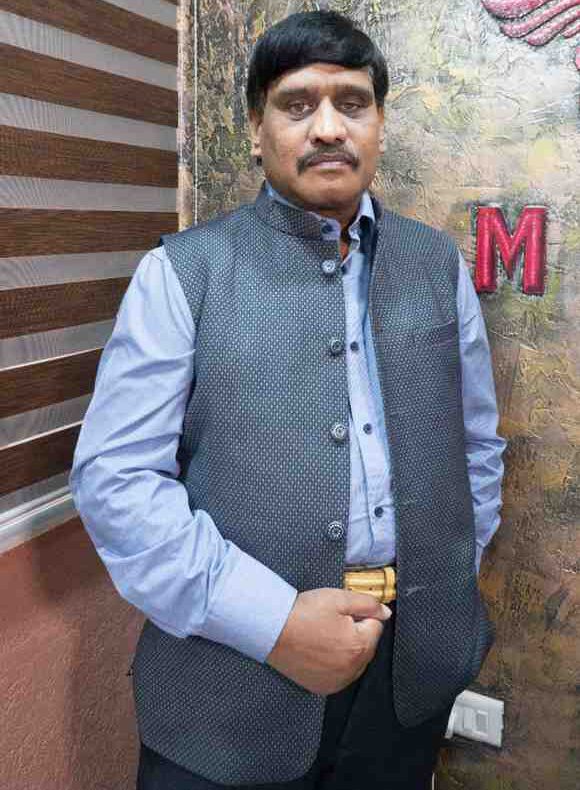
Dr. Sravan C.P.S is a highly experienced Vascular & Endovascular Specialist serving patients in Basavangudi and across Bangalore with a deep commitment to safe, compassionate, and evidence-based care. His practice focuses on disorders of the blood vessels — arteries and veins — using both advanced minimally invasive techniques and established surgical approaches tailored to each individual's needs.
He completed rigorous training in vascular and endovascular surgery, including a fellowship at the National University Hospital, Singapore. He also served as an Assistant Professor of Vascular Surgery at the Sri Jayadeva Institute of Cardiovascular Sciences and Research, contributing to clinical care, education, and research.
In the management of thyroid conditions requiring TAE, Dr. Sravan follows a structured evaluation process that includes review of thyroid function tests, imaging assessment (ultrasound, Doppler, CT-angiography), and discussion of all treatment options including medicines, radioactive iodine, and surgery. He believes in team-based thyroid-focused planning — TAE is positioned as a targeted, organ-sparing option for properly selected patients.
For patients requiring thyroid artery embolization, Dr. Sravan is experienced in performing precise micro-catheter navigation in delicate neck arteries using Digital Subtraction Angiography (DSA) imaging — with detailed knowledge of thyroid and neck arterial anatomy, careful controlled embolic delivery to avoid non-target branches, and post-procedure symptom monitoring.
Dr. Sravan is known for his clear communication style, helping patients and family members understand TAE procedure steps and recovery timeline, how TAE compares to surgery and radioactive iodine, realistic expectations for thyroid size reduction and hormone control, and the importance of follow-up thyroid function monitoring.
At Trinity Hospital and Heart Foundation, he works within a multidisciplinary thyroid care framework — coordinating with endocrinologists for hormone management, ENT/thyroid surgeons for comprehensive evaluation, and imaging specialists to ensure each patient receives evidence-based, ethical, and personalised treatment guidance.
Common questions and detailed answers about TAE procedure, benefits, recovery, and when it is appropriate
Thyroid artery embolization is a minimally invasive procedure that blocks selected arteries supplying the thyroid gland so that enlarged or overactive areas shrink and symptoms improve.
No. It is a pinhole, catheter-based procedure done through a small arterial puncture, without a neck incision. Uses micro-catheter and X-ray guidance to reach thyroid arteries.
Patients with multinodular goitre, benign hypervascular nodules or difficult hyperthyroidism who have symptoms and either failed or cannot undergo standard surgery or radioactive iodine are typical candidates.
TAE can significantly reduce hormone production and improve symptoms in selected hyperthyroid patients, especially when nodules or goitre drive the disease, but results vary and follow-up with endocrinology is essential.
The procedure usually takes about 1–2 hours, depending on anatomy and how many arteries need treatment.
Many patients go home the same day or after an overnight stay, based on clinical condition and hospital protocol.
TAE avoids neck incisions, often preserves more thyroid tissue, has shorter recovery, and is useful in high-risk surgical patients. No visible scar, quicker return to normal life.
Early studies show TAE to be safe and effective for multinodular goitre and hypervascular thyroid disease, with low rates of major complications when performed by experienced interventional specialists.
Many patients retain some thyroid function after TAE, but thyroid levels must be monitored. Some may still need medication; this depends on the baseline disease and treatment response.
Because TAE is a vascular, catheter-based procedure, it requires a vascular expert. As a Vascular & Endovascular Specialist working in an advanced cath lab in Basavanagudi, Dr. Sravan offers precise thyroid artery embolization with a structured, team-based thyroid care plan.
Suffering from multinodular goitre, hypervascular thyroid nodules, or difficult hyperthyroidism? Prefer minimally invasive treatment avoiding neck surgery? Schedule a consultation with Dr. Sravan C.P.S at Trinity Hospital and Heart Foundation, Basavangudi for expert thyroid artery embolization evaluation.
+91 8040136999
trinityheartfoundation@gmail.com
Trinity Hospital and Heart Foundation, Basavangudi, Bengaluru, Karnataka
 24 Hour Emergency Aid