

Renal artery stenosis is a condition that affects blood flow to the kidneys and is often discovered while evaluating uncontrolled blood pressure, declining kidney function, or vascular disease. At Trinity Hospital and Heart Foundation, Basavangudi, care is focused on understanding why the narrowing has occurred and whether it truly needs intervention.
Under the guidance of Dr. Sravan C.P.S, patients are evaluated carefully to reduce uncertainty, avoid unnecessary procedures, and choose a treatment path that aligns with both medical evidence and the patient's overall health. The goal is not immediate correction — but long-term kidney protection and blood pressure control.
Renal artery stenosis treatment focuses on restoring or preserving adequate blood supply to the kidneys. When the renal arteries narrow — often due to atherosclerosis — the kidneys may receive less blood, which can affect their ability to regulate blood pressure and fluid balance.
Treatment does not always mean surgery. In many patients, especially those detected early, medication and close monitoring are sufficient. Intervention is considered only when reduced blood flow begins to impact kidney function, blood pressure control, or overall vascular health.
Understanding the condition:
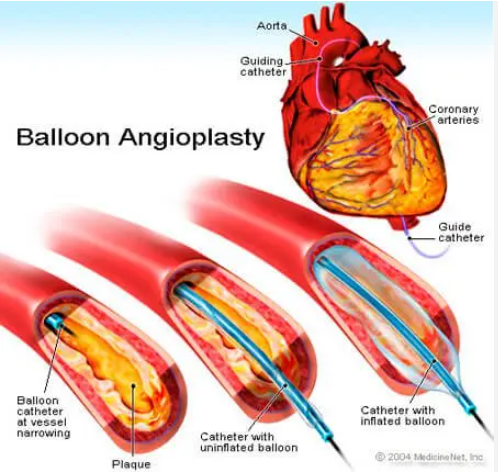
Renal artery stenosis symptoms can be subtle and vary significantly between individuals. Some patients may not notice symptoms until the condition is advanced. Possible warning signs include:
High blood pressure that is difficult to control with medications
Sudden worsening of previously stable blood pressure
Decline in kidney function on blood tests
Swelling in the legs or ankles due to fluid retention
Shortness of breath or recurrent episodes of sudden breathlessness
Diagnosis of bilateral renal artery stenosis in imaging studies
These symptoms can overlap with many other conditions. Only a qualified doctor can determine whether renal artery stenosis is the cause. Self-diagnosis should be avoided.
Only a qualified doctor can determine whether renal artery stenosis is the cause. Self-diagnosis should be avoided.
It is important to remember that renal artery stenosis symptoms can overlap with other conditions. Proper vascular evaluation and imaging are essential.
Consult a vascular surgeon if you have uncontrolled high blood pressure despite medications, declining kidney function, or have been diagnosed with renal artery stenosis and need guidance on whether intervention is appropriate.
Understanding the underlying cause of renal artery stenosis helps patients recognise the broader vascular health picture.
Atherosclerosis — plaque buildup in renal arteries reduces blood flow, most common cause in adults
Renal vascular disease — part of systemic atherosclerotic process affecting multiple arteries
Risk factors — hypertension, diabetes, smoking, high cholesterol, age increase stenosis risk
Bilateral renal artery stenosis — affects both kidneys, requiring more careful management approach
<strong>Can atherosclerosis be reversed?</strong> While complete reversal is unlikely, progression can often be slowed with medication, lifestyle changes, and management of risk factors such as cholesterol, blood pressure, and smoking cessation.
Management depends on symptom severity, kidney function, imaging findings, and associated vascular disease.
Many patients are managed safely without procedures. This approach may include:
What role do ACE inhibitors play in renal artery stenosis? ACE inhibitors drugs can help control blood pressure but must be used cautiously and under medical supervision, especially in bilateral stenosis.
Patients with stable kidney function and controlled blood pressure often do well with medical management alone.
Intervention is considered when:
The decision is individualised and based on careful risk–benefit assessment rather than urgency. Not everyone with renal stenosis needs a stent — only select patients benefit from interventional treatment.
Catheter-based renal artery intervention (angioplasty with or without stenting) is considered in selected patients. This minimally invasive approach aims to improve blood flow while minimising recovery time.
At Trinity Hospital and Heart Foundation, emphasis is placed on:
Procedure overview when intervention is appropriate:
Understanding renal artery stenosis diagnosis:
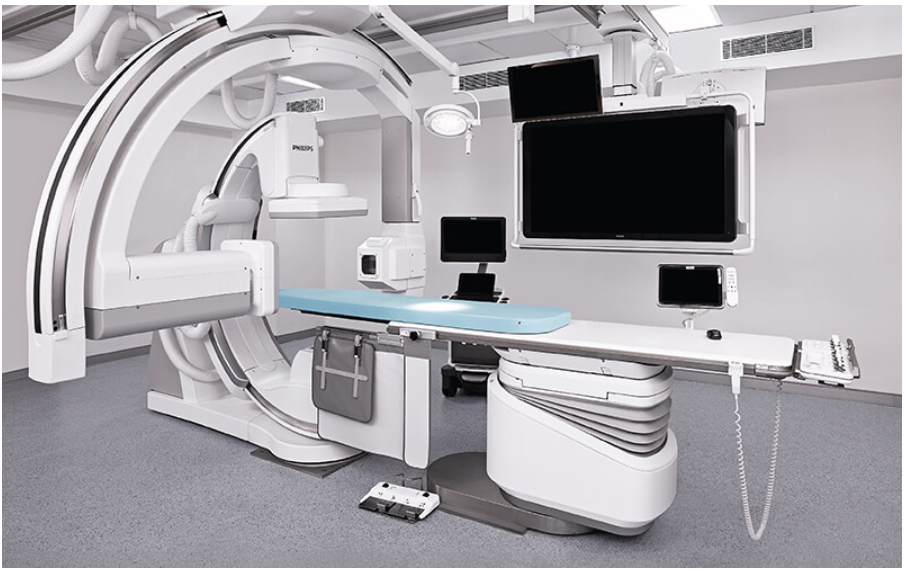
At Trinity Hospital and Heart Foundation, renal artery stenosis evaluation and treatment are supported by advanced vascular imaging and endovascular intervention capabilities.
Facility includes:
EMI & Financial Flexibility:
Mediclaim & Insurance Coverage:
Minimally invasive angioplasty with or without stenting to improve blood flow to kidneys. Image-guided catheter insertion, balloon dilation of narrowed segment, stent placement if needed to maintain opening. Careful patient selection based on renal artery stenosis radiology and functional assessment. Focus on functional improvement, not routine stenting.
Blood pressure medications including ACE inhibitors (when appropriate), cholesterol-lowering therapy, lifestyle modifications, and regular monitoring with kidney function tests and renal artery stenosis Doppler studies. Many patients with stable kidney function do well with medical management alone. Avoids procedural risks when intervention is not clearly beneficial.
Open surgical bypass of renal artery narrowing in rare, complex anatomical cases not suitable for catheter-based intervention. Reserved for patients with specific anatomical challenges or failed endovascular treatment. Longer recovery than minimally invasive approach but may be necessary in select cases.
Coordination with nephrology for comprehensive management of renal vascular disease, atherosclerosis risk factor control, and bilateral renal artery stenosis cases requiring careful monitoring. Method selection depends on artery anatomy, overall vascular disease, kidney status, and patient-specific risks.
After intervention or during medical management, regular follow-up is essential to monitor treatment effectiveness and kidney health.
Post-treatment monitoring includes:
What happens if renal artery stenosis is left untreated?
In some patients, it remains stable with medical management. In others, it may worsen blood pressure control or kidney function — hence the need for regular follow-up and imaging surveillance.

If you or a family member has been advised evaluation for renal artery stenosis, a consultation with Dr. Sravan C.P.S at Trinity Hospital and Heart Foundation, Basavangudi can help clarify:
What the consultation determines:
The focus remains on clarity, safety, and informed decision-making — not on rushing intervention.
Financial support available:
At Trinity Hospital and Heart Foundation, renal artery stenosis evaluation and treatment are led by Dr. Sravan C.P.S with rigorous training, international fellowship experience, and a focus on evidence-based, patient-centred vascular care.
Trinity Hospital and Heart Foundation, Bangalore
Dr. Sravan C.P.S is a highly experienced Vascular & Endovascular Surgeon serving patients in Basavangudi and across Bangalore with a deep commitment to safe, compassionate, and evidence-based care. His practice focuses on disorders of the blood vessels — arteries and veins — using both advanced minimally invasive techniques and established surgical approaches tailored to each individual's needs.
He completed rigorous training in vascular and endovascular surgery, including a fellowship at the National University Hospital, Singapore. He also served as an Assistant Professor of Vascular Surgery at the Sri Jayadeva Institute of Cardiovascular Sciences and Research, contributing to clinical care, education, and research.
In the management of renal artery stenosis, Dr. Sravan follows a structured evaluation process that includes symptom assessment, renal artery stenosis radiology imaging correlation, and discussion of both medical management and interventional options. He believes that not all renal artery stenosis cases require immediate intervention and prioritizes optimised medical therapy with close surveillance when clinically appropriate.
For patients requiring catheter-based intervention, Dr. Sravan is experienced in performing renal artery angioplasty with or without stenting using minimally invasive, image-guided techniques designed to restore blood flow and preserve kidney function — with careful patient selection and post-procedure monitoring.
Dr. Sravan is known for his clear communication style, helping patients and family members understand available treatment options and limitations, expected outcomes and follow-up care, and practical steps for managing renal vascular disease and atherosclerosis risk factors.
At Trinity Hospital and Heart Foundation, he works within a multidisciplinary care framework — coordinating with nephrology, cardiology, and endocrinology specialists to ensure each patient receives evidence-based, ethical, and personalised treatment guidance.

Common questions and detailed answers about renal artery stenosis, symptoms, diagnosis, and treatment options
Symptoms may include resistant high blood pressure, declining kidney function, fluid retention, or shortness of breath — though many patients remain asymptomatic initially and are diagnosed during evaluation for other conditions.
It can be, as both kidneys may be affected. However, severity varies widely, and not all cases require intervention. Bilateral stenosis requires more careful management, especially when considering ACE inhibitors.
Yes. Many patients respond well to medications including blood pressure control, cholesterol-lowering therapy, and lifestyle modifications — with regular monitoring of kidney function and imaging.
ACE inhibitors drugs can help control blood pressure but must be used cautiously and under medical supervision, particularly in bilateral stenosis where they can sometimes worsen kidney function.
Yes. It is commonly part of systemic renal vascular disease caused by atherosclerosis — the same process that affects coronary and carotid arteries.
While complete reversal is unlikely, progression can often be slowed with medication (statins, blood pressure control), lifestyle changes (smoking cessation, diet), and management of diabetes and cholesterol.
Imaging such as Doppler ultrasound, CT angiography, or MR angiography is commonly used. Renal artery stenosis Doppler studies assess blood flow velocity and patterns to determine severity.
They are different arteries but share similar atherosclerotic processes. Both are part of systemic vascular disease and often occur together in patients with cardiovascular risk factors.
No. Only select patients benefit from interventional treatment. Many do well with optimised medical therapy and monitoring. Intervention is reserved for cases with uncontrolled blood pressure or declining kidney function despite medications.
In some patients, it remains stable with medical management. In others, it may worsen blood pressure control or kidney function — hence the need for regular follow-up with kidney tests and renal artery stenosis Doppler studies.
Diagnosed with renal artery stenosis or experiencing uncontrolled high blood pressure and declining kidney function? Schedule a consultation with Dr. Sravan C.P.S at Trinity Hospital and Heart Foundation, Basavangudi Bengaluru for expert vascular evaluation and treatment guidance.
+91 8040136999
trinityheartfoundation@gmail.com
Trinity Hospital and Heart Foundation, Basavangudi, Bengaluru, Karnataka
 24 Hour Emergency Aid