
Peripheral Arterial Disease (PAD) is a circulatory condition that affects blood flow to the legs, often causing pain, discomfort, or non-healing wounds. Many patients first notice symptoms like left leg pain, pain while walking, or leg pain at night, and may not immediately associate these signs with a vascular condition.
At Trinity Hospital and Heart Foundation, Basavangudi, Bangalore, PAD treatment focuses on early identification, symptom relief, and long-term limb protection. Under the care of Dr. Sravan C.P.S, patients are guided through a clear, step-by-step evaluation and treatment process designed to reduce risk, preserve mobility, and avoid unnecessary procedures wherever possible.
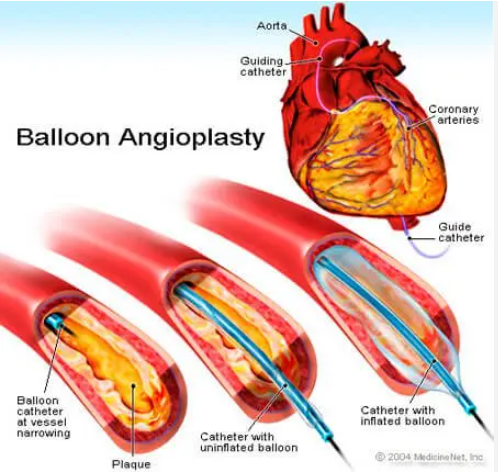
Angioplasty is a medical treatment used when the blood vessels supplying the heart become narrowed or blocked. These blockages develop gradually over time due to the buildup of fatty deposits in the arteries.
Patients often ask, what is angioplasty and angiography, and why both are needed. Angiography is a diagnostic test that helps doctors see the condition of the heart arteries. Angioplasty is performed only if angiography shows that blood flow is significantly reduced.
Simply put, angioplasty helps improve blood flow to the heart muscle, which can reduce symptoms and protect heart function. It is not advised for every heart patient and is never recommended without proper evaluation.
Symptoms can be subtle in early stages and more noticeable as the condition progresses. A vascular specialist evaluation is essential if a patient reports:
Pain or cramping in the legs while walking
Left leg pain or right leg pain that improves with rest
Leg pain while sleeping or pain at night
Coldness or numbness in the lower leg or foot
Slow-healing wounds or peripheral arterial disease ulcers
Skin discoloration or reduced hair growth on the legs can also be signs. Persistent symptoms require immediate attention:
These symptoms require specialized vascular care to prevent complications.
It is important to remember that symptoms alone do not confirm the need for a procedure. Proper diagnosis is essential.
You should consult a vascular specialist if you experience persistent leg pain, ulcers, or walking difficulty, or if you have known risk factors like diabetes.

The most common contributing factors for blocked leg arteries include:
smoking and tobacco use
diabetes and high blood sugar
high cholesterol and obesity
high blood pressure and age
Blocked arteries usually develop over many years. Early diagnosis and risk-factor control are key to preventing limb damage.
PAD management follows a non-surgical-first approach whenever clinically appropriate.
For patients with mild or stable disease, doctors may recommend medications that improve blood flow, control blood pressure, and reduce cholesterol levels. Lifestyle changes such as diet modification, regular exercise, weight control, and quitting smoking play an important role in long-term heart health.
Regular follow-ups help assess whether symptoms are improving or if further treatment is needed.
Angioplasty may be advised when symptoms continue despite medication or when angiography shows significant narrowing of one or more coronary arteries. The decision is based on test findings, symptom severity, and overall health.
Patients are guided through the findings so they understand why angioplasty is suggested, not just that it is suggested.
Accurate diagnosis is central to PAD treatment. Evaluation may include clinical examination by a peripheral artery disease specialist, blood flow assessment using PAD tests, and Doppler ultrasound for arterial mapping.
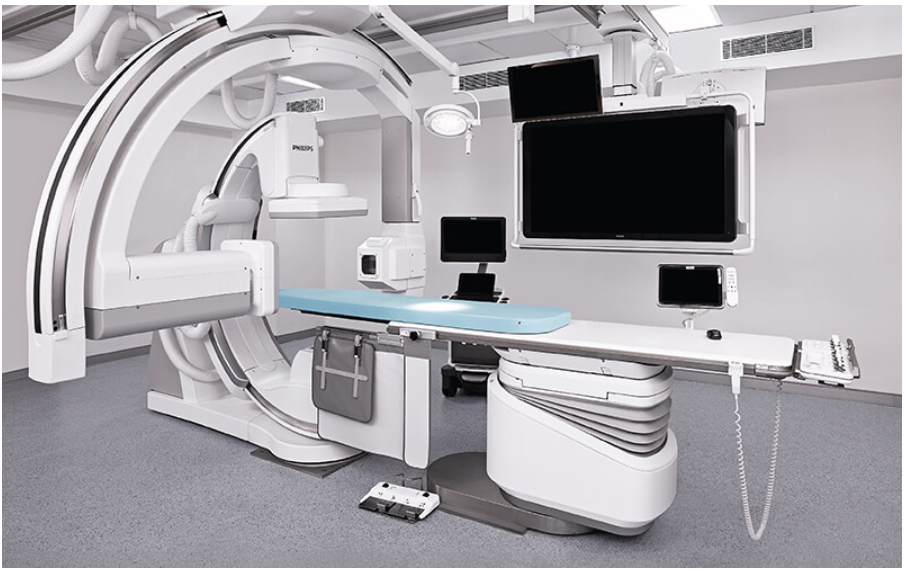
Angioplasty and angiography are performed in a specialized unit called a cardiac catheterization laboratory, commonly known as a Cath Lab.
The Cath Lab allows cardiologists to visualize heart arteries in real time and make accurate treatment decisions. This technology supports safe diagnosis, precise intervention, and careful monitoring throughout the procedure.
At Trinity Hospital and Heart Foundation, Cath Lab facilities support comprehensive cardiac evaluation and interventional care.
Minimally invasive approach focusing on precision targeting of narrowed vessels and faster recovery.
Used for complex blockages where a graft is used to bypass the blocked section of the artery.
Combining surgical and interventional techniques for comprehensive treatment of multi-level disease.
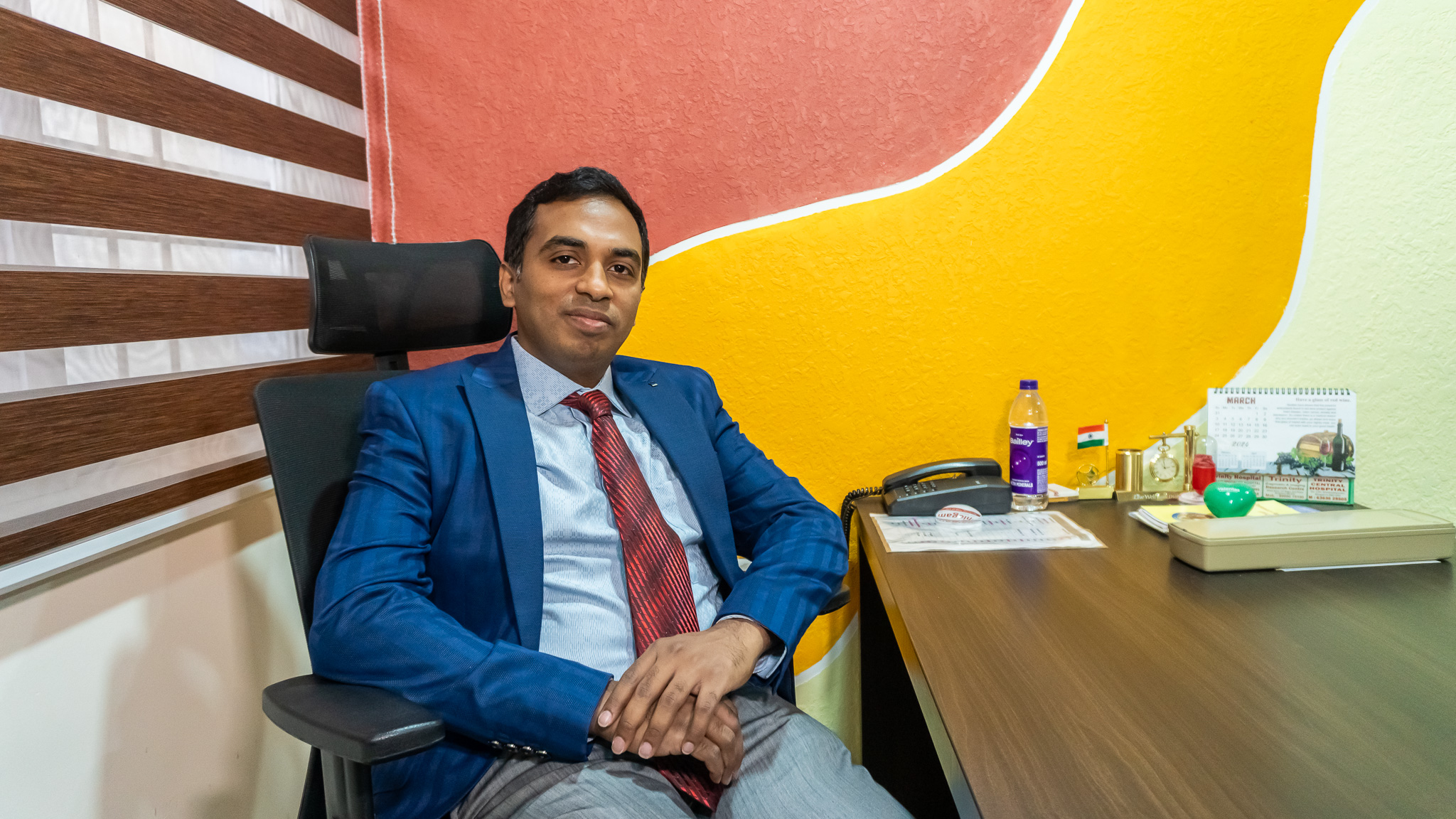
The Vascular Surgery Department provides comprehensive evaluation for PAD and other circulatory conditions. Care is led by Dr. Sravan C.P.S, using advanced diagnostic mapping.
Trinity Hospital and Heart Foundation, Bangalore
Dr. B. G. Muralidhara is associated with the cardiology services at Trinity Hospital and Heart Foundation. He has extensive clinical experience of 30+ years in managing heart conditions and has been involved in the evaluation and treatment of a large number of patients with coronary artery disease.
Common questions about peripheral arterial disease and treatment options
No. Many conditions can cause leg pain. PAD is confirmed only after proper testing.
Common causes include smoking, diabetes, high cholesterol, high blood pressure, and age-related changes.
Yes. Many patients respond well to medications and lifestyle management.
A peripheral arterial disease Doppler is commonly used along with clinical evaluation.
It can indicate reduced blood flow and should be evaluated by a specialist.
If untreated, peripheral arterial disease ulcers can worsen and increase infection risk.
Patients with persistent leg pain, ulcers, or walking difficulty should consult a specialist.
Drugs may include blood thinners, cholesterol-lowering agents, and circulation-improving medications.
Treatment duration varies depending on severity and response to therapy.
Ongoing monitoring and lifestyle management are important to reduce recurrence risk.
Don't wait for symptoms like leg pain or ulcers to worsen. Schedule a consultation with Dr. Sravan C.P.S to discuss your vascular health.
+91 8040136999
trinityheartfoundation@gmail.com
Trinity Hospital and Heart Foundation, Basavanagudi, Bengaluru, Karnataka
 24 Hour Emergency Aid