

Pacemaker implantation is a well-established heart treatment used when the heart's natural rhythm becomes too slow, too fast, or irregular.
At Trinity Hospital, Basavangudi, pacemaker care focuses on identifying the cause of rhythm disturbances and restoring stable heart function safely.
Patients often seek consultation due to symptoms such as dizziness, fatigue, or high pulse rate symptoms that affect daily life. Not every heart rhythm issue needs a device, and careful evaluation is always the first step.
Patients from Basavangudi, Jayanagar, JP Nagar, VV Puram, Banashankari, and NR Colony regularly consult for heart rhythm assessment.
Pacemaker implantation is a well-established and widely used cardiac treatment for managing abnormal heart rhythms, medically known as arrhythmias. These rhythm disturbances may cause the heart to beat too slowly, too quickly, or irregularly, leading to symptoms such as dizziness, fatigue, shortness of breath, or episodes of fainting that can significantly affect daily life.
The primary goal of pacemaker therapy is to restore and maintain a stable heart rhythm, thereby improving overall cardiac function and patient quality of life.
At Trinity Hospital, Basavangudi, pacemaker treatment follows a structured and patient-centered approach. Care begins with a detailed clinical evaluation to identify the underlying cause of the rhythm abnormality. Diagnostic tools such as electrocardiograms, Holter monitoring, and other cardiac assessments are used to determine whether device implantation is necessary.
Not all rhythm disorders require a pacemaker, and conservative or medical management is considered whenever appropriate. For patients who do require intervention, pacemaker implantation is performed using safe, standardized techniques with careful monitoring before, during, and after the procedure.
Permanent pacemaker implantation is a treatment used when the heart cannot maintain a healthy rhythm on its own.
A pacemaker is a small medical device that helps regulate heartbeat timing and prevents complications caused by abnormal rhythms. It supports the heart's electrical system but does not replace the heart itself.
The purpose is to:
The focus is on thorough evaluation and appropriate treatment, not rushing patients into surgery.
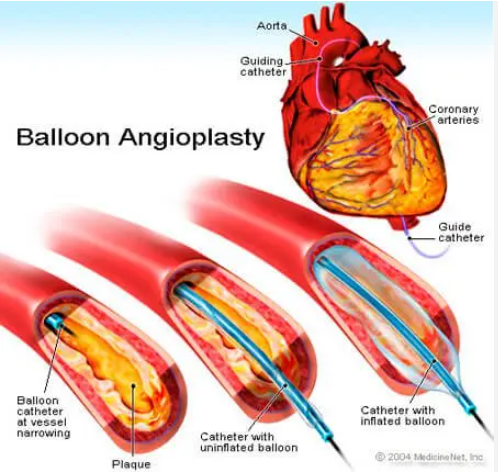
Heart rhythm problems can present differently in each person. Common warning signs include:
Fast heartbeat symptoms or unusually slow pulse
Dizziness or fainting spells
Fatigue or weakness
High heart rate with normal blood pressure
Shortness of breath during routine activity
These symptoms may have multiple causes. Consulting a cardiologist is essential before concluding that a pacemaker is required.
Professional cardiac evaluation is essential for proper diagnosis.
It is important to remember that symptoms alone do not confirm the need for a pacemaker. Proper diagnosis is essential.
You should consult a cardiologist if you experience persistent dizziness, fainting spells, unusual fast or slow heartbeat, or fatigue affecting daily activities.
Heart rhythm disturbances can have various causes that need proper identification before treatment decisions are made.
Heart's natural pacemaker malfunction (sinus node problems)
Heart block and electrical conduction issues
Post-heart attack rhythm complications
Medications or other reversible causes affecting rhythm
Accurate diagnosis before implantation ensures that pacemaker therapy is appropriate and necessary for each individual patient.
Pacemaker implantation is considered when medicines do not control symptoms, heart rhythm is persistently abnormal, or there is risk of fainting or heart failure. The decision is made carefully after thorough evaluation.
Some rhythm disturbances can be managed without surgery, depending on cause and severity.
This may include:
Medicines may help manage rapid heartbeat causes, but they may not correct certain electrical problems permanently.
Pacemaker implantation is considered when:
The decision is made carefully, without urgency pressure, after thorough evaluation and confirmation that device therapy is appropriate.
Permanent pacemaker implantation is performed as a carefully planned procedure with structured monitoring and recovery care.
The procedure involves:
At Trinity Hospital, the approach prioritizes safety, stability, and patient understanding throughout the process.
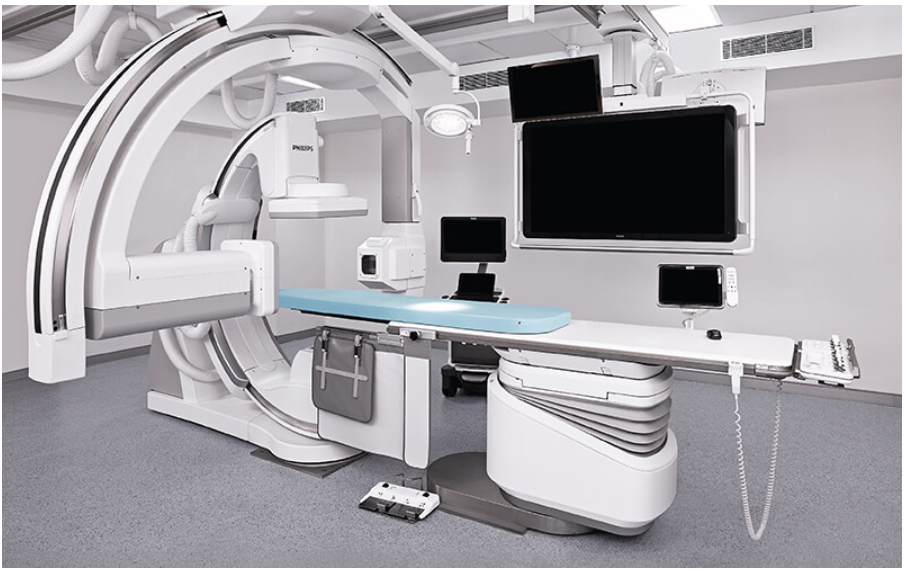
Pacemaker implantation is performed in a specialized electrophysiology or cardiac catheterization laboratory equipped for device procedures.
The facility includes:
At Trinity Hospital and Heart Foundation, comprehensive pre-procedure evaluation, safe device implantation, and long-term follow-up care ensure optimal outcomes and patient safety.
At Trinity Hospital, pacemaker implantation is recommended only in suitable cases where rhythm control cannot be maintained otherwise. Key focus areas include accurate diagnosis before implantation, device selection based on heart condition, and post-procedure monitoring and long-term follow-up.
In emergency situations where immediate rhythm support is needed, temporary pacing may be used as a short-term measure until the underlying cause can be addressed or a permanent device can be implanted if necessary.
For patients whose rhythm disorders can be managed conservatively, medication-based treatment with regular monitoring may be the appropriate approach. Treatment of reversible causes of abnormal heartbeat is always considered first.
Most patients recover well after pacemaker implantation with structured post-procedure care.
Recovery typically includes:
Patients receive clear instructions on wound care, activity levels, device precautions, and warning signs to watch for during recovery. Most patients resume normal activities after the initial healing period.

After pacemaker implantation, regular follow-up care ensures the device functions properly and the patient's heart rhythm remains stable.
Long-term care includes:
The cardiology team provides ongoing support to ensure patients feel confident with their device and maintain optimal heart rhythm control.
Dr. B. G. Muralidhara is associated with the cardiology services at Trinity Hospital and Heart Foundation. His clinical work includes comprehensive cardiac evaluation and guidance on heart rhythm disorders and treatment options.
Trinity Hospital and Heart Foundation, Bangalore
Dr. B. G. Muralidhara has extensive clinical experience of 30+ years in managing heart conditions and has been involved in the evaluation and treatment of a large number of patients with various cardiac disorders including rhythm abnormalities.
Patients often consult him for clear explanations, second opinions, and guidance on whether device therapy like pacemaker is necessary or if medical management is sufficient.

The cardiology department treats heart rhythm disorders, fast and slow heartbeat conditions, heart block and conduction issues, and post-heart attack rhythm complications. Care is coordinated across diagnostics, interventions, and follow-up services.
Trinity Hospital and Heart Foundation, Bangalore
Cardiology Department: Comprehensive diagnostic evaluation, rhythm assessment, medical management, and device therapy when appropriate.
Cardiac Surgery Department: Surgical interventions for complex cardiac conditions when required.
Our integrated approach ensures patients receive coordinated care from initial evaluation through device implantation and long-term follow-up.
Common questions and detailed answers about pacemaker therapy and procedures
It is a treatment that helps regulate abnormal heart rhythms.
When the heart cannot maintain a stable rhythm on its own.
No. Many are treated with medicines or monitoring.
Palpitations, dizziness, fatigue, or shortness of breath.
It is a planned procedure with structured recovery care.
Sometimes, depending on rhythm cause and severity.
Yes, but the device may need replacement after years.
Most patients resume normal activities after recovery.
Usually no, it is placed under the skin.
If fainting, severe dizziness, or persistent fast heartbeat occurs.
If you're experiencing heart rhythm symptoms such as dizziness, fainting, or irregular heartbeat, consult with our experienced cardiology team at Trinity Hospital, Basavangudi Bengaluru.
+91 8040136999
trinityheartfoundation@gmail.com
Trinity Hospital and Heart Foundation, Basavangudi, Bengaluru, Karnataka
 24 Hour Emergency Aid