

Advanced Interventions and Structural Procedures are specialized cardiac treatments designed for patients with complex cardiovascular disease who may not improve adequately with medication alone. These treatments focus on restoring heart health, improving blood flow, and correcting structural heart problems with carefully planned, evidence-based approaches.
At Trinity Hospital, Basavangudi, Bangalore, Dr. B. G. Muralidhara evaluates each patient's condition in detail, ensuring that treatment decisions are guided by symptoms, diagnostic findings, and long-term wellbeing—not urgency or assumptions.
Patients from Basavangudi, Jayanagar, JP Nagar, VV Puram, Banashankari, and NR Colony frequently visit for cardiac evaluation.
Advanced cardiac interventions address problems related to cardiac disease that affect how the heart pumps blood or maintains a steady rhythm. This includes conditions such as atrial fibrillation, valve-related issues like the mitral valve, heart related conditions, device closure procedures, and certain congenital cardiovascular abnormalities.
The goal of these procedures is to:
Not every patient requires an intervention; for many, careful monitoring or medical therapy may be sufficient. Treatment decisions are always individualized based on comprehensive evaluation.
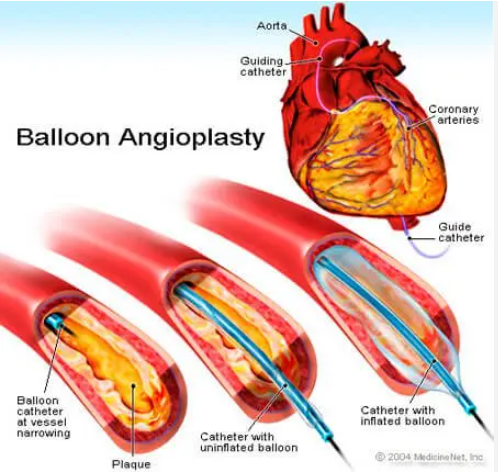
Symptoms vary widely depending on the underlying condition. Some patients may experience:
Persistent chest discomfort or causes of pain in the chest
Unexplained heart pain or pressure
Shortness of breath during routine activity
Palpitations or irregular heartbeat linked to atrial fibrillation
Swelling in legs or fatigue related to congestive heart failure
Reduced exercise tolerance in heart failure conditions
These symptoms can have multiple causes. A cardiology consultation is essential for accurate diagnosis and appropriate care.
Professional cardiac evaluation is necessary for proper diagnosis.
It is important to remember that symptoms alone do not confirm the need for advanced interventions. Proper diagnosis is essential.
You should consult a cardiologist if you experience persistent chest discomfort, unexplained heart pain, shortness of breath, irregular heartbeat, or symptoms of heart failure.
Advanced cardiac conditions can affect the heart's structure, function, or electrical system.
Atrial fibrillation and other rhythm disorders
Mitral valve and other valve-related structural issues
Congestive heart failure requiring advanced management
Congenital cardiovascular abnormalities
Comprehensive evaluation helps determine whether medication, monitoring, or advanced intervention is most appropriate for each patient's condition.
Care plans are always individualized, with a strong emphasis on choosing the least invasive and most appropriate option.
For many patients with cardiovascular disease, non-surgical management remains the first line of care. This may include:
Ongoing follow-up helps determine whether current treatment remains effective or needs adjustment. Many patients with conditions like atrial fibrillation or early heart failure can be managed successfully without procedures.
Interventional or surgical treatments are considered when symptoms persist, complications develop, or structural problems cannot be managed conservatively.
These approaches are planned carefully after:
Advanced interventions are never used as a default option but are reserved for situations where they offer clear clinical benefit.
At Trinity Hospital, advanced structural and interventional cardiac procedures are performed with a focus on precision, patient safety, and recovery planning.
These interventions are suitable for selected patients with:
The emphasis is on:
Dr. B. G. Muralidhara ensures that patients and families understand all reasonable options before moving forward.
Advanced structural and interventional procedures are performed in specialized cardiac facilities equipped with state-of-the-art technology.
The facilities include:
At Trinity Hospital and Heart Foundation, comprehensive pre-procedure evaluation, skilled interventional care, and structured post-procedure management ensure patient safety and optimal outcomes for complex cardiac conditions.
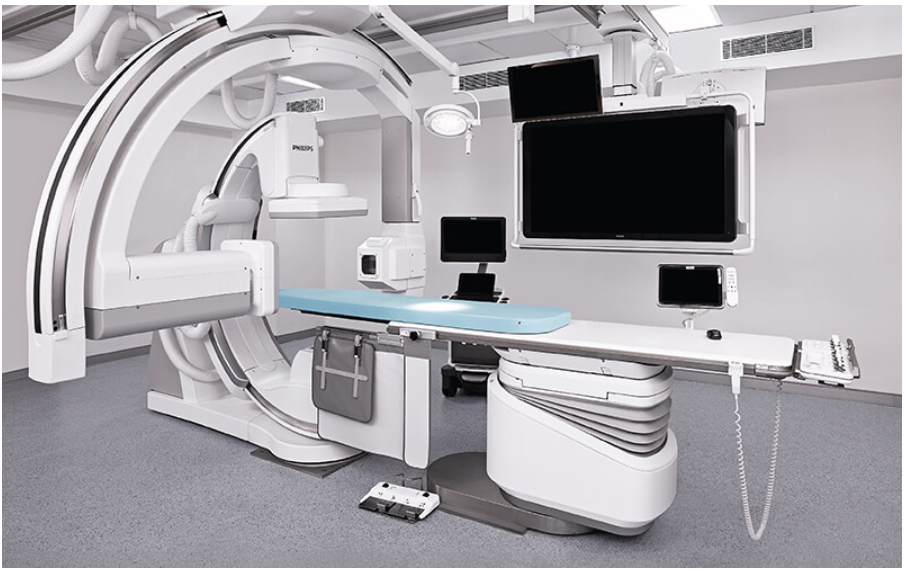
At Trinity Hospital, advanced cardiac procedures are performed with careful patient selection, minimally disruptive techniques where appropriate, and coordinated care before and after the procedure. These include valve interventions, rhythm management, heart failure treatments, and structural defect corrections.
For many patients, comprehensive medical therapy including medications to control rhythm, blood pressure, fluid retention, along with lifestyle modifications and regular monitoring, provides effective management without need for intervention.
Depending on the diagnosis, traditional surgical methods may be recommended for certain valve disorders, complex congenital cardiovascular abnormalities, or advanced heart failure conditions. The choice depends on patient-specific factors.
For conditions like atrial fibrillation, congestive heart failure, or structural defects requiring device closure, specialized cardiac devices may be implanted to improve function and quality of life.
Recovery varies by procedure type and patient health status. Many modern interventions aim to reduce recovery time compared to traditional surgery.
Recovery typically includes:
The cardiac team provides comprehensive support throughout the recovery process to ensure optimal outcomes and return to quality of life.

After advanced cardiac interventions, comprehensive follow-up care ensures sustained improvement and long-term cardiac health.
Post-procedure care includes:
Long-term management focuses on:
The goal is comprehensive cardiac care that extends beyond the procedure itself.
Dr. B. G. Muralidhara evaluates patients with complex cardiovascular disease and determines the most appropriate treatment approach, whether medical management or advanced intervention.
Trinity Hospital and Heart Foundation, Bangalore
Dr. B. G. Muralidhara has extensive clinical experience of 30+ years in managing heart conditions and has been involved in the evaluation and treatment of patients with complex cardiac disease including valve disorders, heart failure, and rhythm abnormalities.
His clinical work includes diagnostic angiography, interventional procedures, and long-term cardiac care planning. Patients often consult him for clear explanations, second opinions, and guidance on whether advanced intervention is necessary or if medical management is sufficient.

Common questions and detailed answers about advanced structural procedures
These are considered for complex cardiovascular disease, valve disorders, rhythm problems, or advanced heart failure when medications are insufficient.
No. Many cases of atrial fibrillation are managed with medication and monitoring. Interventions are considered only when necessary.
Yes. Early and moderate congestive heart failure is often managed with medicines, lifestyle changes, and regular follow-up.
The mitral valve regulates blood flow in the heart. Structural issues can lead to symptoms like breathlessness or fatigue.
No. There are many causes of pain in the chest, which is why proper evaluation is essential.
Decisions are based on detailed evaluation, test results, and patient-specific risks - not a one-size-fits-all approach.
It refers to heart conditions present from birth that may require monitoring or intervention later in life.
Recovery varies by procedure and patient health. Many modern interventions aim to reduce recovery time.
Family involvement is encouraged, especially for complex heart failure or structural heart decisions.
A cardiology consultation with Dr. B. G. Muralidhara will determine whether medical management or intervention is appropriate.
If you're experiencing symptoms of complex cardiovascular disease or have been advised to consider advanced cardiac interventions, consult with our experienced team at Trinity Hospital, Basavangudi Bengaluru.
+91 8040136999
trinityheartfoundation@gmail.com
Trinity Hospital and Heart Foundation, Basavangudi, Bengaluru, Karnataka
 24 Hour Emergency Aid