

The Diagnostics & Scan Department at Trinity Hospital, Basavangudi provides essential testing services that support accurate diagnosis and clinical decision-making across multiple specialties, including cardiology. The department plays a key role in evaluating patients with symptoms such as chest pain, suspected heart blockage, breathlessness, or unexplained fatigue.
Services are delivered for both planned diagnostic evaluations and urgent assessments referred from the emergency department. While emergency stabilization is handled through hospital emergency services, the Diagnostics & Scan department supports timely testing that helps doctors understand a patient’s condition and plan next steps in care.
The focus remains on clarity, safety, and coordinated reporting rather than treatment delivery.
Patients from Basavanagudi, Jayanagar, JP Nagar, VV Puram, Banashankari, and NR Colony frequently consult for cardiac evaluation.
The department operates as a central diagnostic unit within Trinity Hospital, supporting outpatient and inpatient care.
This scale allows patients to undergo multiple tests within a single care setting, reducing delays in evaluation.
Who should come here:
Patients experiencing chest pain or suspected cardiac symptoms
Individuals advised cardiology tests as part of heart blockage evaluation
Patients requiring baseline or follow-up diagnostic scans
Family decision-makers coordinating investigations for ongoing treatment
These symptoms can have multiple causes. A cardiology consultation is essential for accurate diagnosis and appropriate care.
Professional cardiac evaluation is necessary for proper diagnosis.
Cases that may need referral:
Patients requiring advanced interventional cardiology procedures Conditions needing surgical or specialized tertiary care In such cases, diagnostic findings are shared to support appropriate referral and continuity of care.
Comprehensive diagnostic services to assess heart health without surgical procedures.
Continuous 24-hour ECG recording to detect irregular rhythms.
Learn MoreNon-invasive imaging of coronary arteries for blockage detection.
Learn More24-hour blood pressure tracking for accurate hypertension assessment.
Learn MoreAdvanced catheter-based procedures performed in our state-of-the-art Cath Lab.
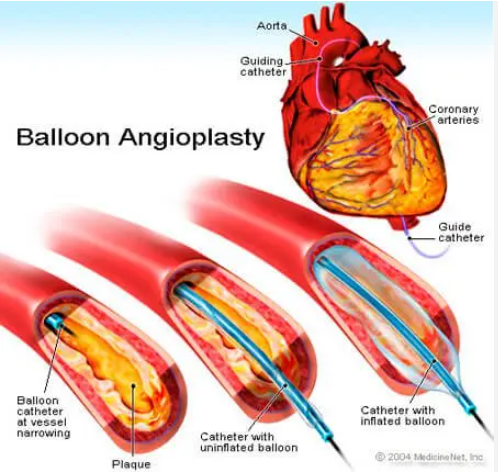
Balloon dilation and stent placement to restore blood flow.
Learn MoreHigh-complexity interventions using rotablation and intravascular imaging.
Learn MoreSpecialist management of challenging or previously failed interventions.
Learn MoreCardiac pacing device implanted to regulate slow or irregular heartbeats.
Learn MoreImplantable defibrillator to prevent sudden cardiac arrest.
Learn MoreCardiac resynchronisation therapy for heart failure patients.
Learn MoreMinimally invasive aortic valve replacement via catheter.
Learn MoreBalloon dilation to open narrowed mitral or aortic valves.
Learn MoreDiagnostic mapping of the heart's electrical conduction system.
Learn MoreEnergy-based ablation to eliminate abnormal electrical heart pathways.
Learn MoreOpening blocked arteries in the legs, kidneys, or carotids.
Learn MoreCatheter-based closure of atrial or ventricular septal defects.
Learn MoreOpen and minimally invasive cardiac surgical procedures by expert cardiothoracic surgeons.
Bypass surgery to restore blood flow past blocked coronary arteries.
Learn MoreSurgical replacement of damaged mitral or aortic heart valves.
Learn MoreReconstructive surgery to preserve and restore native valve function.
Learn MoreOpen-heart surgery to repair congenital holes in heart chambers.
Learn MoreSmall-incision cardiac surgery for faster recovery with less trauma.
Learn More
The Diagnostics & Scan Department uses infrastructure designed to improve accuracy, patient comfort, and turnaround time.
Non invasive testing systems for cardiac evaluations
Monitored testing environments for patient safety
Digital reporting to support faster clinical review and coordination
Technology is applied to enhance diagnostic reliability while keeping patient experience calm and structured.
Care delivery follows a team-based diagnostic model, involving technicians, radiology and cardiology consultants, nursing staff, and referring doctors.
The emphasis remains on informed decisions rather than rushed conclusions.
Dr. B. G. Muralidhara evaluates patients with complex cardiovascular disease and determines the most appropriate treatment approach, whether medical management or advanced intervention.
Trinity Hospital and Heart Foundation, Bangalore
Dr. B. G. Muralidhara has extensive clinical experience of 30+ years in managing heart conditions and has been involved in the evaluation and treatment of patients with complex cardiac disease including valve disorders, heart failure, and rhythm abnormalities.
His clinical work includes diagnostic angiography, interventional procedures, and long-term cardiac care planning. Patients often consult him for clear explanations, second opinions, and guidance on whether advanced intervention is necessary or if medical management is sufficient.

Common questions and detailed answers about advanced structural procedures
If chest pain is ongoing, recurring, or associated with breathlessness or dizziness, diagnostic evaluation should not be delayed. Acute symptoms require immediate emergency care.
Yes. Tests such as ECG, 2D echocardiography, TMT, and Holter monitoring are non invasive and commonly used for cardiac evaluation.
Emergency cases are managed through the hospital’s emergency services, with diagnostic support provided as required.
Reports are reviewed by the treating doctor, who discusses findings, follow-up tests, or referrals if needed.
Depending on clinical advice and scheduling, multiple diagnostics may be coordinated to reduce repeat visits.
Most tests are scheduled through OPD or referral appointments. The hospital team assists with access and timing.
Some cardiology tests may be done with a referral, while others can be scheduled after an initial consultation at the hospital. The care team guides patients based on symptoms and medical history.
Most tests are performed in a monitored setting and do not require hospitalization. The care team explains the procedure beforehand to help patients feel prepared and comfortable.
Non invasive cardiology tests help identify signs that may suggest reduced blood flow or heart function. If findings indicate higher risk, further evaluation or referral may be advised.
Yes. For patients with intermittent symptoms such as palpitations or dizziness, longer monitoring options may be recommended to capture rhythm changes during daily activities.
If you're experiencing symptoms of complex cardiovascular disease or have been advised to consider advanced cardiac interventions, consult with our experienced team at Trinity Hospital, Basavangudi Bengaluru.
+91 8040136999
trinityheartfoundation@gmail.com
Trinity Hospital and Heart Foundation, Basavangudi, Bengaluru, Karnataka
 24 Hour Emergency Aid