
Heart conditions such as blocked arteries are often subtle in their early stages. Symptoms can begin softly and may be mistaken for stress, indigestion, or everyday fatigue.
For people in Basavanagudi and surrounding areas of Bangalore, this topic is especially relevant because a busy lifestyle, dietary habits, and common health conditions like high blood pressure and diabetes can increase cardiac risk.
When arteries that supply blood to the heart become narrowed by fatty deposits over time, they can limit blood flow. Reduced blood flow may eventually lead to symptoms of blocked arteries or, in more severe cases, a heart attack.
While learning about warning signs is useful, it is equally important to recognise when symptoms warrant professional evaluation rather than self-diagnosis.
What does artery blockage mean?
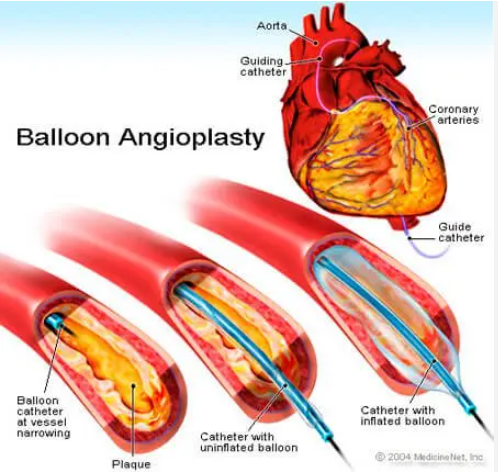
Blocked arteries occur when cholesterol, fatty material, and other substances build up inside the vessel walls. This process, known as atherosclerosis, narrows the pathway through which blood flows. When this affects arteries supplying the heart, the heart muscle may receive less oxygen than it needs.
Key points to understand:
Many individuals look up terms like symptoms for heart blockage or how to check heart blockage at home, hoping to understand what their body might be signalling. However, reliable diagnosis requires medical testing, not home checks.
Early symptoms can vary widely and may be subtle. Some commonly noticed signs include:
Chest discomfort, pressure, or tightness — pressure or heaviness rather than sharp pain
Shortness of breath symptoms — feeling winded with light activity
High heartbeat — rapid, fluttering, or irregular pulse
Fatigue — persistent tiredness not linked to lack of sleep
Arm or jaw pain — ache or discomfort that may come and go
Pain or aching in the neck, jaw, shoulders, arms, or back, dizziness, light-headedness, or sweating
Recognize when symptoms warrant professional evaluation rather than self-diagnosis.
If symptoms are recurring or worsening, consult a doctor. Avoid relying on unverified home checks.
It is important to remember that symptoms alone do not confirm blocked arteries. Proper medical diagnosis is essential.
If you notice recurring chest discomfort, breathlessness, or unexplained fatigue, scheduling a professional evaluation can help identify whether these symptoms relate to heart health.
Several factors can increase the risk of developing blocked arteries over time.
High blood pressure and diabetes — common conditions that damage artery walls over time
Smoking and high cholesterol — directly contribute to plaque buildup in arteries
Family history — genetics and hereditary factors can influence heart disease risk
Busy lifestyle and stress — long-term stress contributes to lifestyle changes increasing heart disease risk
<strong>Can blocked arteries be hereditary?</strong> Yes. Family history can influence heart disease risk, so it's helpful to share your family medical history with your doctor. <strong>Can young adults develop blocked arteries?</strong> Yes. While age is a risk factor, blocked arteries can develop earlier in life due to factors such as family history, smoking, poor diet, physical inactivity, diabetes, or high stress levels.
How blocked arteries are managed depends on individual symptoms, test results, and overall health.
These may be recommended in less severe situations:
Healthy habits contribute to long-term heart wellness, but questions like how to clear blocked arteries naturally should always be discussed with a clinician.
Can blocked arteries improve with exercise? Exercise supports overall heart health but is part of a comprehensive care plan that includes medical evaluation.
For more significant blockages, doctors may recommend procedures such as:
Treatment selection based on:
Professional evaluation involves comprehensive testing to accurately assess heart health and artery status.
Diagnostic process may include:
How to check heart blockage at home? While awareness of symptoms is important, reliable diagnosis of blocked arteries requires professional medical testing and evaluation. Home checks cannot accurately detect artery blockages.
Does high blood pressure always mean blocked arteries? High blood pressure is a risk factor but not a direct confirmation of artery blockage. Proper tests are needed to assess blockages.
At Trinity Hospital and Heart Foundation, Basavanagudi, comprehensive cardiac evaluation and treatment services are available for blocked arteries and heart disease.
Facility includes:
Location & accessibility:
Cost and care-related considerations:
Medications to improve blood flow and manage risk factors including cholesterol control, blood pressure management, antiplatelet therapy. Symptom control and prevention focus. Part of comprehensive care plan.
Guidance on diet and physical activity, stress management, smoking cessation. Reducing risk factors for long-term heart wellness. Exercise supports overall heart health but is part of comprehensive care plan that includes medical evaluation.
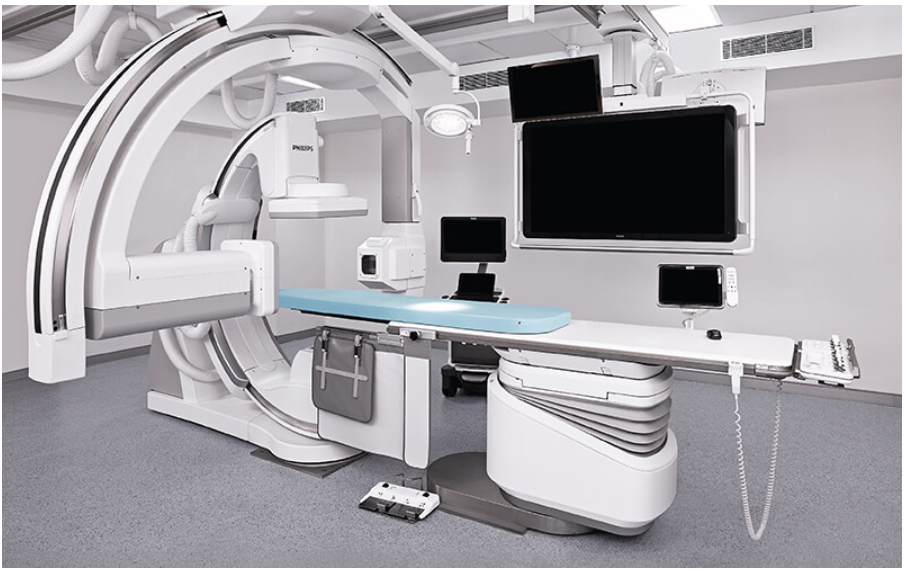
Minimally invasive procedures to open narrowed vessels, restore blood flow. For more significant blockages when indicated by test findings. Angiography and interventional services. Restoring blood flow when conservative options insufficient.
Surgical procedures when needed based on complexity and severity of blockages. For cases where catheter-based intervention not suitable. Decision based on comprehensive evaluation, test results, and overall patient health.
After evaluation and treatment, ongoing monitoring helps maintain heart health and detect any changes early.
Follow-up care includes:
How often should heart health be monitored?
Your cardiologist will recommend follow-up frequency based on risk factors and test results. People with a family history of heart disease may benefit from regular check-ups as advised by their doctor, even if they do not have symptoms.
Educational resources: Educational materials, including videos and patient stories, help people become more informed about heart health. These resources support conversations you have with your doctor and give context to what to expect throughout care.

If you notice recurring chest discomfort, breathlessness, or unexplained fatigue, scheduling a professional evaluation can help identify whether these symptoms relate to heart health.
Consultations with Dr. BG Muralidhara are available through:
What to expect during consultation:
Dr. BG Muralidhara brings extensive experience in diagnosing and managing coronary artery disease, especially in patients from Basavanagudi and nearby Bangalore areas where heart disease risk factors are increasingly common.
Trinity Hospital and Heart Foundation, Bangalore
Dr. BG Muralidhara brings extensive experience in diagnosing and managing coronary artery disease, especially in patients from Basavanagudi and nearby Bangalore areas where heart disease risk factors are increasingly common.
His approach is grounded in evidence-based practice, clear communication, and careful assessment before recommending treatment.
Key qualities include:
This ensures that care decisions are tailored to each individual's situation and lifestyle.
Dr. Muralidhara's practice focuses on comprehensive assessment of symptoms including chest discomfort, shortness of breath, fatigue, and other warning signs of blocked arteries. He emphasizes proper diagnostic testing rather than relying on self-assessment or unverified home checks.
His approach includes thorough evaluation of risk factors such as family history, high blood pressure, diabetes, smoking, and lifestyle factors, followed by personalized treatment planning that may include medications, lifestyle guidance, or interventional procedures based on individual needs.

Common questions and detailed answers about blocked arteries, symptoms, diagnosis, and treatment
Yes. Family history can influence heart disease risk, so it's helpful to share your family medical history with your doctor. Genetic factors combined with lifestyle choices affect artery health.
High blood pressure is a risk factor but not a direct confirmation of artery blockage. Proper tests are needed to assess blockages. High BP damages artery walls over time, increasing blockage risk.
Exercise supports overall heart health but is part of a comprehensive care plan that includes medical evaluation. Physical activity helps manage risk factors but cannot reverse existing blockages without medical treatment.
Not necessarily. Some people have mild or atypical symptoms, which is why monitoring changes and seeking professional evaluation is important. Symptoms can be subtle and vary widely between individuals.
Your cardiologist will recommend follow-up frequency based on risk factors and test results. People with family history of heart disease may benefit from regular check-ups even without symptoms.
Yes. While age is a risk factor, blocked arteries can develop earlier in life due to factors such as family history, smoking, poor diet, physical inactivity, diabetes, or high stress levels.
No. Some people experience symptoms in the arms, jaw, neck, back, or as breathlessness and fatigue without clear chest pain. Symptoms vary widely between individuals.
Stress does not directly block arteries, but long-term stress can contribute to lifestyle and hormonal changes that increase the risk of heart disease and accelerate plaque buildup.
Not always. Shortness of breath can be related to lung conditions, anaemia, or fitness levels. A medical evaluation helps determine the exact cause through proper diagnostic testing.
While awareness of symptoms is important, reliable diagnosis of blocked arteries requires professional medical testing including ECG, stress tests, imaging, and sometimes angiography. Home checks cannot accurately detect artery blockages.
Notice recurring chest discomfort, breathlessness, or unexplained fatigue? Concerned about blocked arteries or heart disease risk? Schedule a consultation with Dr. BG Muralidhara at Trinity Hospital and Heart Foundation, Basavangudi, Bangalore for comprehensive cardiac evaluation.
+91 8040136999
trinityheartfoundation@gmail.com
Trinity Hospital and Heart Foundation, Basavangudi, Bengaluru, Karnataka
 24 Hour Emergency Aid