

Chronic joint or tendon pain often traps patients in a loop: rest and physiotherapy, then painkillers and injections, then being told to "wait" for surgery.
Transarterial Microembolization (TAME) breaks that pattern for the right patient. It is a minimally invasive, image-guided procedure that targets abnormal tiny blood vessels linked to chronic inflammation and pain.
In many musculoskeletal conditions, these new vessels (neovascularization) help sustain inflammation. TAME reduces that abnormal flow and aims to reduce pain.
In Bangalore, Dr. Sravan C.P.S performs TAME at a centrally located hospital in Basavanagudi, with convenient access from Jayanagar, JP Nagar, Banashankari, Wilson Garden and CBD Bangalore.
TAME is part of musculoskeletal embolization — doctors use it for chronic musculoskeletal pain when conservative care fails.
Most commonly, it targets pain linked to inflammation in or around joints and tendons, such as:
TAME matters because it offers a pinhole alternative before major surgery in selected patients. It also helps patients who cannot undergo surgery due to medical risk.
How TAME works: The doctor identifies small abnormal vessels feeding inflamed tissue, then blocks them using a micro-catheter and micro-embolic material. This approach aims to reduce hypervascular inflammation and interrupt the chronic pain cycle.
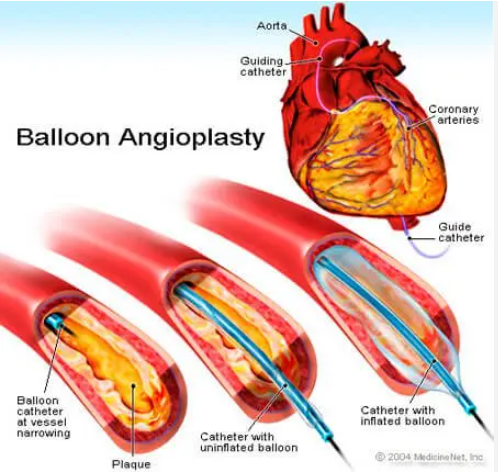
TAME fits best when pain persists despite proper conservative care. You may be a candidate if you have:
Pain for 3+ months (often longer) — chronic musculoskeletal pain
Pain that limits walking, stairs, sleep, or work
Pain that returns after rest, physiotherapy, or injections
Imaging that supports a chronic inflammatory pain condition (varies by joint/tendon)
Want minimally invasive relief, want to avoid repeated injections or premature surgery
Conditions: knee osteoarthritis, frozen shoulder, chronic tendinopathies (plantar fasciitis, Achilles)
TAME is not for every pain pattern. You need clinical evaluation plus review of imaging and prior treatments.
TAME fits best when pain persists despite proper conservative care.
It is important to remember that TAME requires proper patient selection. Clinical evaluation and imaging review are essential.
Consult a vascular specialist for TAME if you have chronic musculoskeletal pain (3+ months), failed conservative treatments, and want minimally invasive options before surgery.
TAME is a vessel procedure. You need a vessel expert.
TAME needs deep arterial anatomy knowledge, micro-catheter precision, disciplined technique to avoid non-target embolization — Dr. Sravan is Vascular & Endovascular Specialist
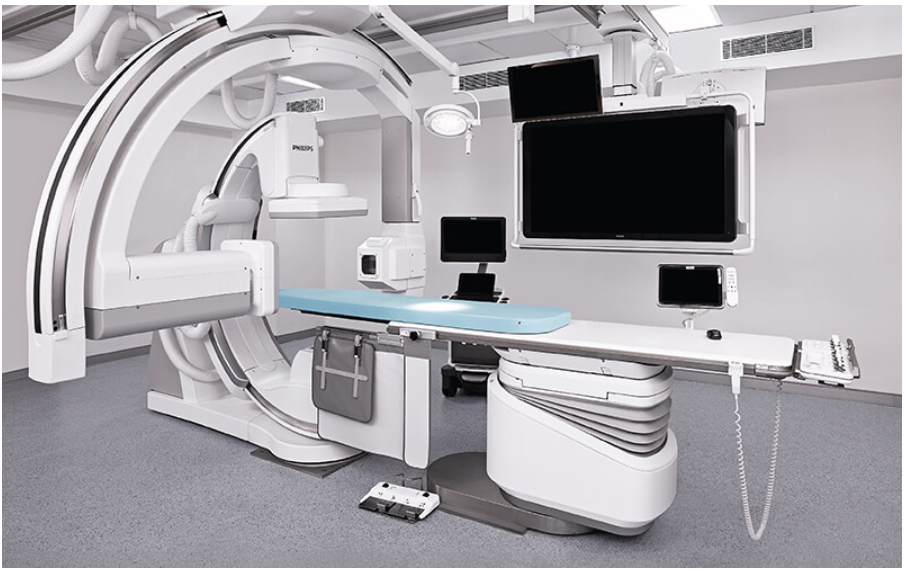
Advanced imaging setup — TAME relies on angiography to find abnormal vascularity and treat precisely. Dr. Sravan performs in advanced cath-lab environment designed for image-guided vascular work
Proper patient selection and risk control — TAME is promising but technique and selection matter. Dr. Sravan's vascular background supports stricter screening and safer planning
Central Bangalore access — Basavanagudi location supports easy access from Jayanagar, JP Nagar, Banashankari, Wilson Garden, CBD Bangalore
<strong>Why choose Dr. Sravan for TAME in Bangalore?</strong> Because TAME is a vessel procedure. Dr. Sravan's <strong>vascular and endovascular specialization</strong> aligns directly with micro-catheter embolization techniques and safety-first planning.
TAME offers a logical step between conservative care and surgery for selected patients with chronic musculoskeletal pain.
Conservative care approaches:
These help many patients. Still, chronic pain often returns.
Surgery (last step for many patients):
TAME targets the pain-inflammation blood supply, not just symptoms. It also avoids open surgery.
Therefore, for selected patients:
"Types" of TAME in practical terms (described by body area):
TAME is a targeted embolization technique performed in an advanced cath lab.
Step 1 — Preparation:
Step 2 — Local anaesthesia:
Step 3 — Catheter navigation:
Step 4 — Angiography (mapping):
Step 5 — Microembolization:
Step 6 — Recovery:
How long does the TAME procedure take? Often around 60–120 minutes, depending on the target area and vessel anatomy. Time varies by case.
Transarterial Microembolization (TAME) with Dr. Sravan is performed in a Digital Subtraction Angiography (DSA) suite designed for precision vascular work.
This setup supports:
Location & accessibility:
TAME applied to knee osteoarthritis — targets abnormal blood vessels around knee joint feeding chronic inflammation. Often called GAE (Genicular Artery Embolization). Aims to reduce pain, improve walking and stairs, delay or avoid knee replacement surgery in suitable patients.
TAME used in chronic shoulder pain such as adhesive capsulitis (frozen shoulder). Targets abnormal neovascularization linked to inflammation. Aims to reduce shoulder pain and stiffness, improve range of motion, support faster return to daily activities than prolonged conservative care alone.
TAME applied to chronic tendinopathies in selected cases — plantar fasciitis (heel pain), Achilles tendinopathy (ankle pain). Emerging evidence shows potential for reducing chronic tendon inflammation and pain. Super-selective micro-catheter targeting of abnormal vessels feeding inflamed tendon tissue.
Conservative care (physio, medicines, injections) — first line but pain often returns. Surgery — works for structural problems but many not ready or not fit. TAME — logical step between conservative and surgery. Pinhole procedure, targets inflammation blood supply, faster recovery than surgery in selected cases. Studies describe as minimally invasive and generally safe when performed by experienced operators.
After transarterial microembolization, gradual pain improvement occurs as abnormal inflammation reduces over weeks.
Post-TAME recovery includes:
How soon can I return to routine activity after TAME?
Many patients resume light routine activity within days. Your doctor will set limits based on the treated area. Full pain improvement may take weeks as inflammation gradually reduces.
TAME is usually considered to:

With Dr. Sravan, the TAME pathway typically includes:
Evaluation process:
You do not just get a procedure. You get a planned, targeted chronic pain strategy.
Strong option for patients who want a modern, less invasive solution:
For suitable cases, TAME with Dr. Sravan offers:
At Trinity Hospital and Heart Foundation, Basavangudi, transarterial microembolization is led by Dr. Sravan C.P.S with rigorous vascular training, international fellowship experience, and advanced DSA imaging capabilities for precision micro-catheter work.
Trinity Hospital and Heart Foundation, Bangalore
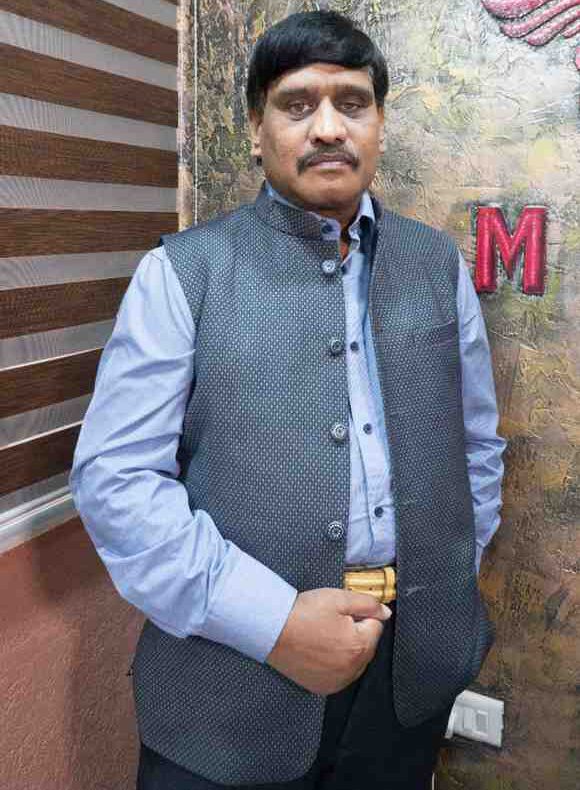
Dr. Sravan C.P.S is a highly experienced Vascular & Endovascular Specialist serving patients in Basavangudi and across Bangalore with a deep commitment to safe, compassionate, and evidence-based care. His practice focuses on disorders of the blood vessels — arteries and veins — using both advanced minimally invasive techniques and established surgical approaches tailored to each individual's needs.
He completed rigorous training in vascular and endovascular surgery, including a fellowship at the National University Hospital, Singapore. He also served as an Assistant Professor of Vascular Surgery at the Sri Jayadeva Institute of Cardiovascular Sciences and Research, contributing to clinical care, education, and research.
In the management of chronic musculoskeletal pain, Dr. Sravan follows a structured evaluation process that includes review of pain history, imaging assessment (X-ray, MRI, ultrasound), previous treatment response (physiotherapy, medicines, injections), and discussion of all options including conservative care and surgical alternatives. He believes in proper patient selection and risk control — TAME is offered when it provides clear clinical benefit and safety profile is favorable.
For patients requiring transarterial microembolization, Dr. Sravan is experienced in performing super-selective micro-catheter embolization of abnormal neovascular vessels using Digital Subtraction Angiography (DSA) imaging — with deep arterial anatomy knowledge, disciplined technique to avoid non-target embolization, and tight safety control for musculoskeletal applications.
Dr. Sravan is known for his clear communication style, helping patients and family members understand TAME procedure steps and recovery timeline, realistic expectations for pain reduction and functional improvement, how TAME compares to conservative care and surgery, and the importance of follow-up to monitor pain scores and activity levels.
At Trinity Hospital and Heart Foundation, he works within a structured chronic pain management framework — coordinating with orthopedics, physiotherapy, and pain specialists when needed to ensure each patient receives evidence-based, ethical, and personalised treatment guidance for chronic musculoskeletal conditions.
Common questions and detailed answers about TAME procedure, conditions treated, recovery, and when it is appropriate
TAME is an image-guided procedure that blocks abnormal tiny arteries linked to chronic inflammation to reduce pain in musculoskeletal conditions like osteoarthritis, frozen shoulder, and chronic tendinopathies.
No. TAME uses a pinhole catheter approach with micro-catheter and real-time imaging guidance, not an open surgical cut. Day-care or short-stay treatment in many cases.
Doctors use it for chronic musculoskeletal pain conditions when conservative care fails, including knee osteoarthritis (GAE), frozen shoulder (adhesive capsulitis), and selected tendinopathies (plantar fasciitis, Achilles).
TAME is the broader concept of musculoskeletal embolization. When doctors apply it to knee osteoarthritis specifically, many call it GAE (Genicular Artery Embolization).
Often around 60–120 minutes, depending on the target area and vessel anatomy. Time varies by case and complexity of abnormal neovascularization.
Many patients resume light routine activity within days. Your doctor will set limits based on the treated area. Full pain improvement may take weeks as inflammation gradually reduces.
Studies describe it as minimally invasive and generally safe when performed by experienced operators, but complications can occur in some settings. Proper patient selection and vascular expertise matter for safety.
Not always. It often serves as a strong option between conservative care and surgery for selected patients. Can delay or avoid surgery in suitable cases with chronic musculoskeletal pain.
Because TAME is a vessel procedure requiring deep arterial anatomy knowledge and micro-catheter precision. Dr. Sravan's vascular and endovascular specialization aligns directly with micro-catheter embolization techniques and safety-first planning.
You need a clinical evaluation plus review of your imaging (X-ray, MRI, ultrasound) and prior treatments (physio, medicines, injections). Then the specialist confirms whether TAME fits your pain pattern and arterial anatomy.
Suffering from chronic joint or tendon pain (knee osteoarthritis, frozen shoulder, tendinopathy)? Failed conservative treatments? Want minimally invasive option before surgery? Schedule a consultation with Dr. Sravan C.P.S at Trinity Hospital and Heart Foundation, Basavangudi for expert TAME evaluation.
+91 8040136999
trinityheartfoundation@gmail.com
Trinity Hospital and Heart Foundation, Basavangudi, Bengaluru, Karnataka
 24 Hour Emergency Aid