

Prostate Artery Embolization (PAE) is a modern, minimally invasive procedure for enlarged prostate (BPH) that helps men get relief from urinary symptoms without open surgery and with faster recovery.
The procedure is performed in Bangalore by Vascular & Endovascular Specialist, Dr. Sravan, at a centrally located hospital in Basavanagudi, with easy access from areas like Jayanagar, JP Nagar, Banashankari, Wilson Garden and CBD Bangalore.
Key advantages: No large incision, usually no general anesthesia, short hospital stay (often same-day discharge), lower bleeding risk, designed to preserve sexual function.
Prostate Artery Embolization is an image-guided, catheter-based procedure that shrinks an enlarged prostate by reducing its blood supply.
During the procedure:
Results: Urine flow improves and symptoms like night-time urination and urgency gradually reduce.
Typical procedure time: 45–90 minutes
Hospital stay: Day-care / short stay in most cases
Return to routine: Often within 24–48 hours, as advised by the doctor.
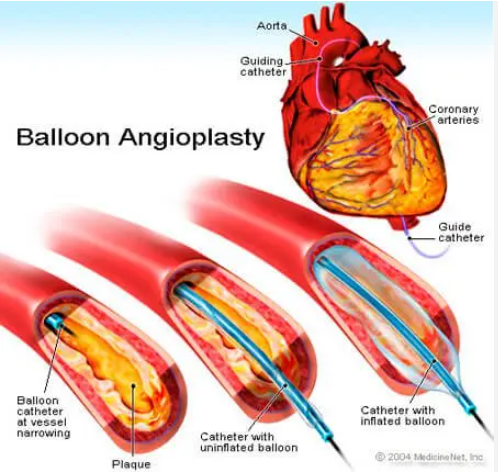
Common BPH-related symptoms that may benefit from evaluation for PAE include:
Frequent urge to urinate, especially at night (nocturia)
Weak urine stream or thin flow
Difficulty starting urination
Feeling of incomplete bladder emptying
Sudden urgency to pass urine, dribbling at the end of urination
Straining while passing urine, burning or discomfort while urinating
The following symptoms require immediate medical evaluation:
Red-flag symptoms require urgent medical attention.
It is important to remember that BPH symptoms vary in severity. Proper urological evaluation is essential.
Consult a vascular specialist for PAE if you have moderate to severe urinary symptoms not responding to medications, prefer non-surgical options, or have medical conditions making surgery risky.
PAE is a complex arterial procedure requiring vascular expertise.
Vascular & Endovascular Specialist — PAE requires detailed understanding of pelvic vascular anatomy, precision catheter navigation, experience with micro-catheters and embolic agents
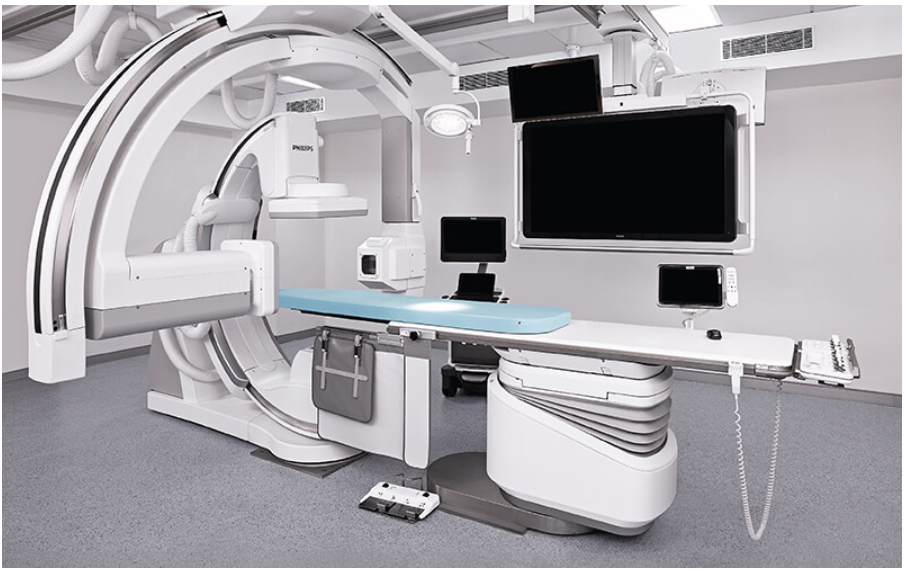
Advanced imaging facility — fluoroscopic (X-ray) guidance, real-time catheter tracking, controlled embolic particle delivery
Central Basavanagudi location — easy access from Jayanagar, JP Nagar, Banashankari, Wilson Garden, CBD Bangalore and surrounding areas
Structured patient-centred care — clear explanation of options, transparent discussion of PAE vs other treatments, planned follow-up tracking symptom improvement
<strong>Why choose Dr. Sravan for PAE treatment in Bangalore?</strong> PAE requires advanced expertise in pelvic vascular anatomy and precision catheter techniques. Dr. Sravan is a <strong>Vascular & Endovascular Specialist</strong> experienced in complex arterial procedures, performing PAE at a centrally located hospital in Basavanagudi, easily accessible from major areas of Bangalore.
Treatment for BPH is tailored to the severity of symptoms, prostate size, overall health and patient preference.
Lifestyle modifications:
Medications:
Some patients continue to have significant symptoms or side-effects despite medicines. In such cases, procedural options are considered.
PAE is particularly useful when:
Other procedural options:
Why PAE is increasingly preferred: Minimally invasive, often performed under local anesthesia with mild sedation, short recovery period, can be considered in patients with multiple comorbidities.
Prostate Artery Embolization is performed as a day-care or short-stay procedure using advanced fluoroscopic imaging guidance.
Procedure steps:
Procedure time: 45–90 minutes
Hospital stay: Day-care / short stay in most cases
Return to routine: Often within 24–48 hours
How is PAE different from TURP or laser prostate surgery? Unlike TURP or laser surgery, PAE does not involve cutting or removing prostate tissue. It is catheter-based, minimally invasive, usually avoids general anesthesia, has a shorter recovery period, and is especially useful for patients with other medical conditions.
At Trinity Hospital and Heart Foundation, Basavangudi, prostate artery embolization is supported by vascular intervention expertise and advanced imaging.
Facility includes:
Location & accessibility:
Cost & financial support:
Occasional night-time urination, slightly reduced urine stream, daily life largely unaffected. Management focus: observation, lifestyle changes, trial of medications. Regular monitoring to assess progression.
Frequent night-time waking to urinate, noticeable impact on work, sleep and travel, reduced confidence due to urgency or fear of leakage. Possible options: optimised medications, Prostate Artery Embolization (PAE) as minimally invasive procedure, selected endoscopic or laser procedures (as per evaluation).
Repeated urinary retention episodes, recurrent urinary infections, significant enlargement on ultrasound or MRI, poor response to medicines. Management options: PAE (if vascular anatomy and clinical evaluation suitable), TURP or other surgical options if PAE not appropriate due to anatomical or technical reasons.
Prostate Artery Embolization reduces prostate blood supply through micro-catheter delivery of embolic particles. No cutting or tissue removal. Advantages: minimally invasive, local anesthesia with sedation, short hospital stay, lower bleeding risk, designed to preserve sexual function. Suitable when non-surgical approach desired, surgical risks present, or medicines ineffective.
After prostate artery embolization, gradual symptom improvement occurs as the prostate shrinks over weeks to months.
Post-PAE recovery includes:
When will I start noticing improvement in urinary symptoms after PAE?
Symptom improvement is gradual. Many patients begin to notice better urine flow and reduced urgency within a few weeks, with continued improvement over the following months as the prostate shrinks.
Does PAE affect sexual function? PAE is designed to preserve sexual function. Compared to some surgical treatments, the risk of erectile dysfunction or retrograde ejaculation is generally lower, although individual outcomes may vary.

PAE may be suitable for men who:
Evaluation includes:
Financial support available:
At Trinity Hospital and Heart Foundation, Basavangudi, prostate artery embolization is led by Dr. Sravan C.P.S with rigorous vascular training, international fellowship experience, and advanced fluoroscopic imaging capabilities.
Trinity Hospital and Heart Foundation, Bangalore
Dr. Sravan C.P.S is a highly experienced Vascular & Endovascular Specialist serving patients in Basavangudi and across Bangalore with a deep commitment to safe, compassionate, and evidence-based care. His practice focuses on disorders of the blood vessels — arteries and veins — using both advanced minimally invasive techniques and established surgical approaches tailored to each individual's needs.
He completed rigorous training in vascular and endovascular surgery, including a fellowship at the National University Hospital, Singapore. He also served as an Assistant Professor of Vascular Surgery at the Sri Jayadeva Institute of Cardiovascular Sciences and Research, contributing to clinical care, education, and research.
In the management of enlarged prostate (BPH), Dr. Sravan follows a structured evaluation process that includes assessment of urinary symptom severity, prostate size imaging (ultrasound, MRI), medication response review, and discussion of all treatment options including lifestyle modifications, medications, and procedural interventions. He believes in tailored treatment based on symptom severity and patient preference — PAE is offered when it provides clear clinical benefit.
For patients requiring prostate artery embolization, Dr. Sravan is experienced in performing precise micro-catheter navigation in pelvic arteries using fluoroscopic (X-ray) guidance — with detailed anatomical knowledge of prostate arterial supply, controlled embolic particle delivery, and post-procedure monitoring for symptom improvement.
Dr. Sravan is known for his clear communication style, helping patients and family members understand PAE procedure and recovery timeline, realistic expectations for symptom improvement, how PAE compares to TURP and laser surgery, and the importance of follow-up to track urinary flow and quality of life improvement.
At Trinity Hospital and Heart Foundation, he works within a multidisciplinary BPH care framework — coordinating with urology when needed, imaging for prostate assessment, and symptom monitoring to ensure each patient receives evidence-based, ethical, and personalised treatment guidance.

Common questions and detailed answers about PAE procedure, benefits, recovery, and when it is appropriate
Prostate Artery Embolization (PAE) is a minimally invasive, image-guided treatment for enlarged prostate (BPH). It works by reducing blood flow to the prostate, causing it to gradually shrink and relieve urinary symptoms—without open surgery.
PAE may be suitable for men who have moderate to severe urinary symptoms due to BPH, those who do not get adequate relief from medications, or patients who prefer a non-surgical option or have medical conditions that make surgery risky.
PAE is done through a tiny pinhole entry in the wrist or groin. Using X-ray guidance, a micro-catheter is advanced into the arteries supplying the prostate, and microscopic particles are injected to reduce blood flow, leading to gradual prostate shrinkage.
PAE is usually performed under local anesthesia with mild sedation. Most patients experience minimal discomfort during and after the procedure, and pain is generally well controlled with simple medications if needed.
The procedure typically takes 45 to 90 minutes. Most patients are discharged the same day or after a short hospital stay, depending on individual recovery and medical advice.
Symptom improvement is gradual. Many patients begin to notice better urine flow and reduced urgency within a few weeks, with continued improvement over the following months as the prostate shrinks.
PAE is designed to preserve sexual function. Compared to some surgical treatments, the risk of erectile dysfunction or retrograde ejaculation is generally lower, although individual outcomes may vary.
Symptoms include frequent night-time urination, weak urine stream, difficulty starting urination, urgency, dribbling, straining, and a feeling of incomplete bladder emptying. Red-flag symptoms like inability to pass urine or blood in urine require urgent medical attention.
Unlike TURP or laser surgery, PAE does not involve cutting or removing prostate tissue. It is catheter-based, minimally invasive, usually avoids general anesthesia, has a shorter recovery period, and is especially useful for patients with other medical conditions.
PAE requires advanced expertise in pelvic vascular anatomy and precision catheter techniques. Dr. Sravan is a Vascular & Endovascular Specialist experienced in complex arterial procedures, performing PAE at a centrally located hospital in Basavanagudi, easily accessible from major areas of Bangalore.
Suffering from enlarged prostate (BPH) symptoms? Not getting adequate relief from medications? Prefer minimally invasive treatment? Schedule a consultation with Dr. Sravan C.P.S at Trinity Hospital and Heart Foundation, Basavangudi for expert prostate artery embolization evaluation.
+91 8040136999
trinityheartfoundation@gmail.com
Trinity Hospital and Heart Foundation, Basavangudi, Bengaluru, Karnataka
 24 Hour Emergency Aid