

Genicular Artery Embolization (GAE) is a minimally invasive procedure that blocks selected small arteries around the knee to reduce inflammation and chronic pain.
At Trinity Hospital and Heart Foundation, Basavangudi, Bangalore, GAE is offered as an advanced option for patients with chronic knee pain who do not get enough relief from medicines, physiotherapy, and injections — and who are not ready or not fit for knee replacement surgery.
Care is led by Dr. Sravan C.P.S, a Vascular & Endovascular Specialist, with high-resolution imaging, precise catheter navigation, and a structured knee pain care pathway.
For many patients stuck between "nothing works" and "I don't want a knee replacement yet", GAE is often the most sensible next step.
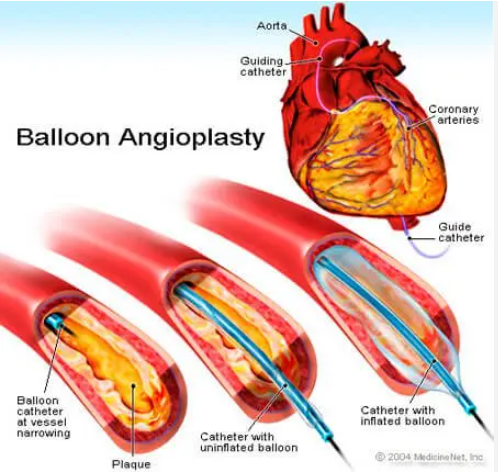
Genicular Artery Embolization targets the overactive genicular arteries that feed painful inflammation in the knee joint lining.
GAE offers several key advantages:
GAE is a vascular procedure — it is performed by a vascular specialist using micro-catheter navigation in small arteries, not an orthopaedic operation.
People with chronic knee pain, usually from osteoarthritis, who do not get enough relief from conservative treatments. Common indicators include:
Chronic knee pain from osteoarthritis not responding to medicines
Tried several rounds of injections (steroid, hyaluronic acid, PRP) with limited relief
Taking multiple painkillers for months with ongoing symptoms
Not ready or not fit for knee replacement surgery
Seeking minimally invasive solution to delay or avoid major surgery
Inflammation in knee joint lining visible on imaging
Knee pain treatment usually follows a ladder — GAE fits when conservative options are insufficient and surgery is not yet desired or suitable.
GAE is used where it makes real sense, not just because it is new or trending.
It is important to remember that GAE is part of a structured knee pain pathway. Proper evaluation and treatment ladder are essential.
Consult a vascular specialist if you have chronic knee pain not responding to medicines and injections, are not ready for knee replacement, or seek minimally invasive options.
"GAE is a vascular procedure. You need a vascular expert. That is Dr. Sravan."
The right specialist — GAE is not orthopaedic operation but vascular catheter-based procedure requiring detailed knee arterial anatomy knowledge
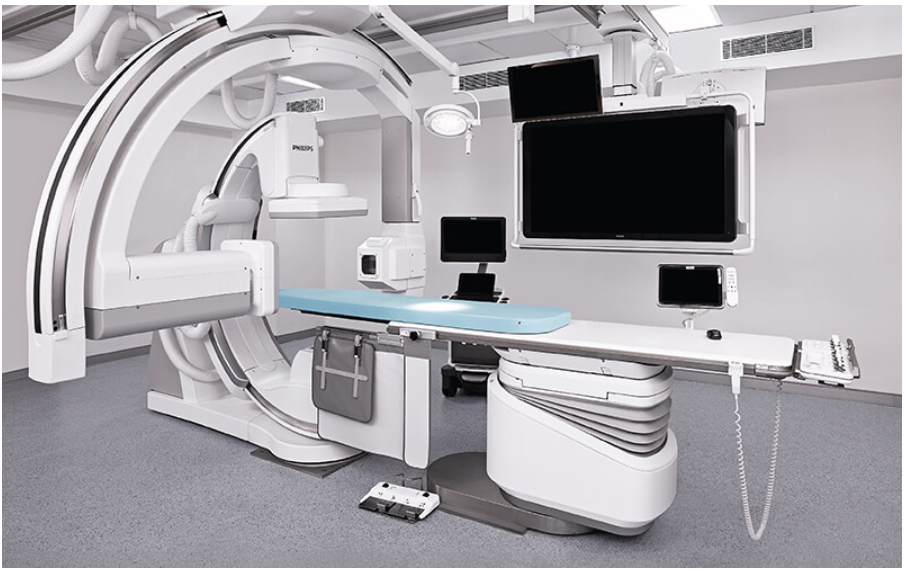
Advanced imaging and cath lab — Digital Subtraction Angiography (DSA) suite with high-resolution imaging, real-time catheter tracking, controlled embolic delivery
Central Basavangudi location — easy access from Jayanagar, JP Nagar, Banashankari, Wilson Garden, CBD Bangalore and surrounding areas
Structured patient-centred knee pain pathway — review reports, orthopaedic coordination, transparent discussion, planned follow-up tracking pain scores
<strong>Why choose GAE with Dr. Sravan in Bangalore?</strong> Because GAE is a vascular procedure requiring a vascular expert. As a <strong>Vascular & Endovascular Specialist</strong> with advanced cath lab support in Basavangudi, Dr. Sravan offers precise, targeted GAE with a structured knee pain care pathway.
Knee pain treatment usually follows a ladder — from lifestyle changes to surgery. GAE offers a minimally invasive option when conservative treatments fail.
Lifestyle and self-care:
This step is essential, but not always enough once pain becomes moderate or severe.
Medicines:
Injections and basic procedures:
Where Genicular Artery Embolization Stands Out:
Surgery (knee replacement):
For these patients, GAE gives a strong, minimally invasive option instead of just increasing medicines.
GAE with Dr. Sravan is performed in a Digital Subtraction Angiography (DSA) suite with advanced imaging and precise catheter navigation.
Procedure overview:
How long does the GAE procedure take? The procedure usually takes about 60–90 minutes, depending on the patient's arterial anatomy.
How soon can I walk after GAE? Most patients start walking the same day or the next day, with gradual increase in activity as advised by the doctor.
GAE is not a random, one-off procedure — it is part of a structured knee pain plan including report review, orthopaedic coordination when needed, clear explanation of all options, and planned follow-up to track pain scores and function.
At Trinity Hospital and Heart Foundation, Basavangudi, genicular artery embolization is supported by advanced vascular intervention capabilities and structured knee pain care.
Facility includes:
Location & accessibility:
Cost & financial support:
Weight reduction to reduce knee load, regular low-impact exercise (walking, cycling, physiotherapy), avoiding deep squats and high-impact activities, using knee supports when recommended. Essential first step but not always enough once pain becomes moderate or severe.
Pain relievers, anti-inflammatory drugs (NSAIDs), gels and sprays. Effect lasts only while taking them. Long-term NSAID use can affect stomach, kidneys, or heart. Do not directly change inflamed blood supply in knee joint.
Steroid injections, hyaluronic acid (viscosupplementation), PRP or other injections, nerve-targeted procedures in some cases. Can reduce pain for a period. Often need to be repeated. Still do not directly tackle abnormal blood flow in joint lining.
Minimally invasive vascular procedure targeting overactive genicular arteries feeding painful inflammation. When medicines and injections fail. May delay or reduce need for replacement surgery. Performed by vascular specialist with micro-catheter precision. For patients stuck between 'nothing works' and 'not ready for knee replacement', GAE is often the most sensible next step.
Major surgery when cartilage loss severe, deformity marked, daily function very poor. Important definitive treatment but longer recovery. Not everyone fit or ready. GAE gives strong minimally invasive option for those not ready for surgery.
After genicular artery embolization, gradual pain relief builds over weeks with most patients experiencing improved knee function.
Post-GAE recovery includes:
How long does pain relief from GAE last?
Pain relief builds over weeks and can last many months or longer in several patients, depending on knee damage severity and lifestyle factors. Continued weight management, low-impact exercise, and activity modifications help maintain results.
Is GAE safe? GAE is generally safe when performed by a trained vascular and endovascular specialist. Like any procedure, it has some risks that are explained before treatment.

Many patients reach Dr. Sravan after trying several rounds of injections, taking multiple painkillers for months, and being told to "wait for replacement" but still suffering.
For suitable cases, GAE with Dr. Sravan:
This combination of vascular expertise, advanced infrastructure in Basavangudi, and honest counselling is what makes GAE with Dr. Sravan a leading choice in Bangalore.
How do I book a consultation for GAE? You can contact Trinity Hospital and Heart Foundation in Basavangudi, Bangalore and request an appointment for chronic knee pain evaluation and discussion about genicular artery embolization.
At Trinity Hospital and Heart Foundation, Basavangudi, genicular artery embolization is led by Dr. Sravan C.P.S with rigorous vascular training, international fellowship experience, and advanced DSA imaging capabilities.
Trinity Hospital and Heart Foundation, Bangalore
Dr. Sravan C.P.S is a highly experienced Vascular & Endovascular Specialist serving patients in Basavangudi and across Bangalore with a deep commitment to safe, compassionate, and evidence-based care. His practice focuses on disorders of the blood vessels — arteries and veins — using both advanced minimally invasive techniques and established surgical approaches tailored to each individual's needs.
He completed rigorous training in vascular and endovascular surgery, including a fellowship at the National University Hospital, Singapore. He also served as an Assistant Professor of Vascular Surgery at the Sri Jayadeva Institute of Cardiovascular Sciences and Research, contributing to clinical care, education, and research.
In the management of chronic knee pain, Dr. Sravan follows a structured evaluation process that includes review of imaging (X-ray, MRI), assessment of previous treatments (medicines, injections), and discussion of all options including conservative management and genicular artery embolization. He believes in a treatment ladder approach — GAE is used where it makes real sense, not just because it is new or trending.
For patients requiring genicular artery embolization, Dr. Sravan is experienced in performing precise micro-catheter navigation in small genicular arteries using Digital Subtraction Angiography (DSA) imaging — with detailed anatomical knowledge, controlled embolic delivery avoiding non-target branches, and post-procedure monitoring for optimal outcomes.
Dr. Sravan is known for his clear communication style, helping patients and family members understand where GAE fits in the treatment ladder, realistic expectations based on knee damage, expected pain relief timeline and functional improvement, and the importance of continued weight management and low-impact exercise.
At Trinity Hospital and Heart Foundation, he works within a multidisciplinary knee pain care framework — coordinating with orthopaedic colleagues when needed, physiotherapy for rehabilitation, and pain management specialists to ensure each patient receives evidence-based, ethical, and personalised treatment guidance.

Common questions and detailed answers about GAE procedure, benefits, recovery, and when it is appropriate
Genicular artery embolization is a minimally invasive procedure that blocks selected small arteries around the knee to reduce inflammation and chronic pain from osteoarthritis.
For many patients with long-term knee pain, GAE offers more durable relief than repeated medicines or injections because it targets the blood supply driving the pain rather than just managing symptoms temporarily.
GAE can delay or reduce the need for knee replacement in suitable patients by providing pain relief and improved function. However, very advanced joint damage with severe cartilage loss may still require surgery.
People with chronic knee pain, usually from osteoarthritis, who do not get enough relief from medicines, physiotherapy, and injections, and who are not ready or not fit for knee replacement surgery.
The procedure usually takes about 60–90 minutes, depending on the patient's arterial anatomy and the number of genicular arteries requiring treatment.
Most patients start walking the same day or the next day after the procedure, with gradual increase in activity as advised by the doctor based on individual recovery.
Pain relief builds over weeks and can last many months or longer in several patients, depending on the severity of knee damage and lifestyle factors such as weight management and activity modification.
GAE is generally safe when performed by a trained vascular and endovascular specialist using precise imaging. Like any procedure, it has some risks including infection, non-target embolization, or incomplete pain relief — all explained before treatment.
Because GAE is a vascular procedure requiring detailed knowledge of knee arterial anatomy and micro-catheter skills. As a Vascular & Endovascular Specialist with advanced DSA cath lab support in Basavangudi, Dr. Sravan offers precise, targeted GAE with a structured knee pain care pathway.
You can contact Trinity Hospital and Heart Foundation in Basavangudi, Bangalore where Dr. Sravan practices and request an appointment for chronic knee pain evaluation and discussion about genicular artery embolization.
Suffering from chronic knee pain not responding to medicines and injections? Not ready for knee replacement? Schedule a consultation with Dr. Sravan C.P.S at Trinity Hospital and Heart Foundation, Basavangudi for expert genicular artery embolization evaluation.
+91 8040136999
trinityheartfoundation@gmail.com
Trinity Hospital and Heart Foundation, Basavangudi, Bengaluru, Karnataka
 24 Hour Emergency Aid