

Central Venous Access Devices (CVADs) are used when patients require repeated or long-term access to veins for treatment such as dialysis, chemotherapy, prolonged medications, or nutrition support.
At Trinity Hospital and Heart Foundation, Basavangudi, CVAD care focuses on safe access, infection prevention, and long-term vein preservation, especially for patients with fragile veins or dialysis-related arm concerns. The approach is careful, stepwise, and tailored to each patient's medical needs.
A Central Venous Access Device (CVAD) is a medical device placed into a large vein to allow medications, fluids, or dialysis to be delivered safely over time.
In simple terms, CVADs help:
What is the full form of CVAD? CVAD stands for Central Venous Access Device.
CVADs are commonly used in dialysis patients, cancer care (CVAD chemotherapy), and critical medical conditions where frequent vein access is necessary. They provide reliable central venous access for long-term treatment needs.
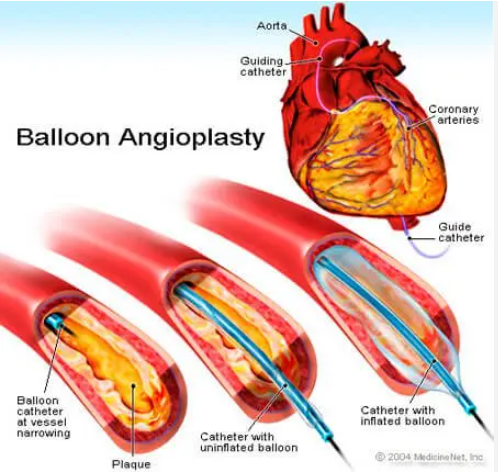
CVADs are considered based on medical needs rather than symptoms alone. Situations where evaluation may be advised include:
Difficulty finding veins for injections or dialysis
Pain, swelling, or damage in dialysis patients' arms
Repeated IV line failures
Long-term chemotherapy or medication requirements (CVAD chemotherapy)
Need for central venous pressure (CVP) monitoring
Poor peripheral venous access
CVAD placement is considered based on medical needs, treatment duration, and vein health — not symptoms alone.
CVAD placement is considered based on medical needs, treatment duration, and vein health assessment.
It is important to remember that CVAD decisions are based on treatment requirements. Medical assessment and planning are essential.
Consult a specialist if venous access is repeatedly difficult, you require long-term treatment (dialysis, chemotherapy), or peripheral veins are damaged.
Understanding different types of CVADs and their uses helps patients and families make informed decisions about vascular access.
Tunneled central venous catheters — long-term use, reduced infection risk, dialysis or chemotherapy
Non-tunneled central venous catheters — CVC medical use for short-term access, ICU or emergency
PICC lines — peripherally inserted central catheter, CVAD vs PICC decisions individualized
Central line parts — catheter, hub, clamp, dressing — proper central line dressing essential for infection prevention
<strong>What is central venous access used for besides dialysis?</strong> It is used for <strong>CVAD chemotherapy</strong>, nutrition support, long-term medications, fluid resuscitation, and central venous pressure monitoring. The type of CVAD is selected based on treatment duration, patient condition, and vein health.
Management always begins with the least invasive and safest option.
In some cases, CVAD placement can be delayed or avoided through:
Regular follow-up helps assess when a CVAD becomes medically necessary. The goal is to preserve peripheral veins and delay or avoid central access when possible.
Interventional placement of a CVAD is considered when:
These procedures are planned carefully to minimize CVAD complications and preserve future access options. Strict protocols followed for central line dressing, infection prevention, and post-placement care.
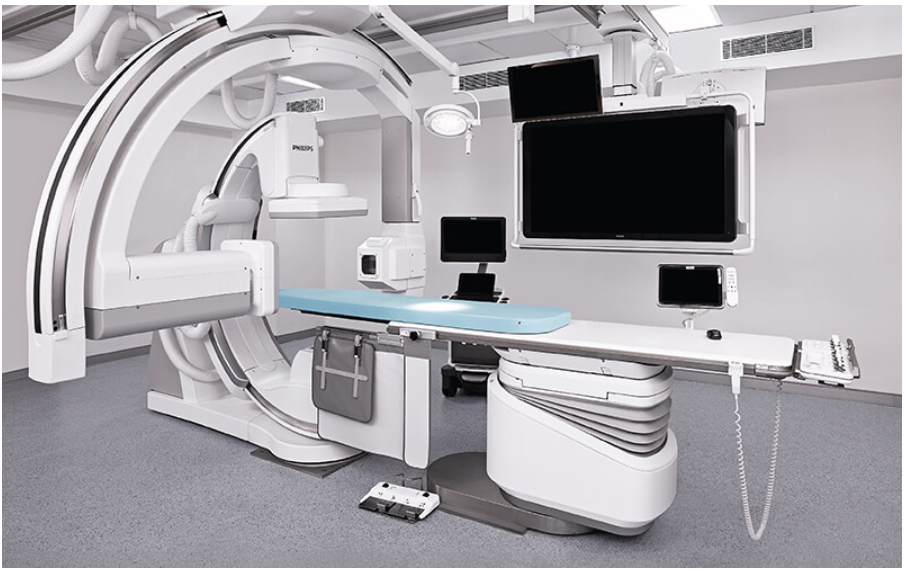
At Trinity Hospital and Heart Foundation, the preferred method is image-guided Central Venous Access Device placement in suitable cases.
This method is preferred because it allows:
Strict protocols are followed for central line dressing, infection prevention, and post-placement care to minimize complications.
CVAD types available:
The type of CVAD is selected based on treatment duration (temporary vs long-term), patient condition, vein health, and specific medical needs.
At Trinity Hospital and Heart Foundation, CVAD placement and care are supported by vascular access expertise and infection prevention protocols.
Facility includes:
EMI & Flexible Payment Options:
Mediclaim & Insurance Support:
Long-term CVAD option with subcutaneous tunnel reducing infection risk. Used for chronic dialysis, CVAD chemotherapy, or prolonged medication needs. Catheter exits skin at distance from vein entry point. Are CVADs permanent? Some are temporary, while tunneled catheters used long-term depending on treatment needs.
Short-term central venous access for immediate use. CVC medical applications include ICU, emergency situations, temporary dialysis. Direct vein insertion without tunneling. Higher infection risk than tunneled — requires meticulous central line dressing and care protocols.
Inserted in arm vein, threaded to central circulation. CVAD vs PICC decisions individualized based on treatment duration and patient factors. Suitable for weeks to months of therapy. Lower procedure risk than direct central insertion but requires arm vein suitable for placement.
Proper central line dressing changes, hygiene, and regular review essential. What are common CVAD complications? Possible issues include infection, blockage, clot formation — monitored closely through protocols. Early detection and management preserve catheter function and patient safety.
After CVAD placement, proper care and monitoring are essential to prevent complications and maintain reliable vascular access.
Post-placement care includes:
How is a central line cared for after placement?
Proper dressing changes, hygiene, and regular review are essential. Patients and caregivers receive training on central line dressing technique, signs of complications, and when to seek medical attention.
Does CVAD placement cause pain? Discomfort is usually minimal and managed during the procedure with local anesthesia or sedation.

Central Venous Access Device care at Trinity Hospital and Heart Foundation, Basavangudi is guided by patient safety, long-term vascular preservation, and ethical, need-based intervention.
A consultation with Dr. Sravan C.P.S helps determine:
Financial support available:
At Trinity Hospital and Heart Foundation, CVAD placement and vascular access care are led by Dr. Sravan C.P.S with rigorous training, international fellowship experience, and a focus on safe access and long-term vein preservation.
Trinity Hospital and Heart Foundation, Bangalore
Dr. Sravan C.P.S is a highly experienced Vascular & Endovascular Surgeon serving patients in Basavangudi and across Bangalore with a deep commitment to safe, compassionate, and evidence-based care. His practice focuses on disorders of the blood vessels — arteries and veins — using both advanced minimally invasive techniques and established surgical approaches tailored to each individual's needs.
He completed rigorous training in vascular and endovascular surgery, including a fellowship at the National University Hospital, Singapore. He also served as an Assistant Professor of Vascular Surgery at the Sri Jayadeva Institute of Cardiovascular Sciences and Research, contributing to clinical care, education, and research.
In the management of central venous access devices, Dr. Sravan follows a structured evaluation process that includes assessment of peripheral vein health, treatment duration requirements (dialysis, CVAD chemotherapy, nutrition), and discussion of CVAD type selection — tunneled vs non-tunneled vs PICC line. He believes in preserving peripheral veins when possible and using central access only when medically necessary.
For patients requiring CVAD placement, Dr. Sravan is experienced in performing image-guided central venous catheter insertion using ultrasound guidance to ensure accurate placement and minimize complications — with strict infection prevention protocols and proper central line dressing techniques.
Dr. Sravan is known for his clear communication style, helping patients and family members understand available CVAD options and their limitations, proper catheter care and complication prevention, and the importance of infection control and monitoring for long-term catheter function.
At Trinity Hospital and Heart Foundation, he works within a multidisciplinary vascular access care framework — coordinating with nephrology for dialysis access, oncology for chemotherapy needs, and nursing teams for catheter maintenance to ensure each patient receives evidence-based, ethical, and personalised treatment guidance.
Common questions and detailed answers about CVADs, types, complications, and care
CVAD stands for Central Venous Access Device — a medical device placed into a large vein to allow medications, fluids, or dialysis to be delivered safely over time.
They provide reliable vascular access when peripheral arm veins are damaged, unavailable, or insufficient for dialysis requirements. CVADs ensure consistent treatment delivery when other access options limited.
No. A PICC (peripherally inserted central catheter) is one specific type of venous access device. CVADs include multiple catheter types — tunneled, non-tunneled, and PICC lines. CVAD vs PICC decisions are individualized.
Yes. CVAD chemotherapy allows safer long-term drug delivery directly into central circulation, reducing peripheral vein damage and ensuring reliable medication administration for cancer treatment.
Possible issues include infection (most common), catheter blockage, blood clot formation, catheter migration, and mechanical problems. These are monitored closely through proper central line dressing, hygiene protocols, and regular assessment.
Proper central line dressing changes using sterile technique, hygiene, regular flushing to maintain patency, monitoring for infection signs, and regular medical review are essential for preventing complications.
Some are temporary (non-tunneled catheters for short-term use), while others like tunneled catheters can be used long-term for months to years depending on treatment needs and catheter function.
Discomfort is usually minimal. The procedure is performed under local anesthesia or sedation, and most patients experience only mild soreness at the insertion site afterward.
It is used for CVAD chemotherapy, nutrition support (TPN), long-term intravenous medications, fluid resuscitation, central venous pressure monitoring, and situations where peripheral access is inadequate.
If venous access is repeatedly difficult, you require long-term treatment (dialysis, chemotherapy, nutrition), peripheral veins are damaged or exhausted, or your treatment team recommends central access evaluation.
Need central venous access for dialysis, chemotherapy, or long-term treatment? Schedule a consultation with Dr. Sravan C.P.S at Trinity Hospital and Heart Foundation, Basavangudi Bengaluru for expert CVAD evaluation and vascular access care.
+91 8040136999
trinityheartfoundation@gmail.com
Trinity Hospital and Heart Foundation, Basavangudi, Bengaluru, Karnataka
 24 Hour Emergency Aid