
Upper limb ischemia is a condition where blood flow to the arm is reduced, often leading to pain, weakness, or functional limitation. At Trinity Hospital and Heart Foundation, Basavangudi, treatment for upper limb ischemia is guided by careful diagnosis and step-wise medical decision-making rather than assumptions or urgency.
Under the care of Dr. Sravan C.P.S, the focus is on identifying the underlying cause — commonly related to atherosclerosis disease or acute blockage — and addressing it in a way that preserves limb function and overall vascular health. Many patients worry that symptoms automatically mean surgery, but in practice, treatment often begins with non-surgical management and close monitoring.
This treatment pathway exists to prevent progression, reduce complications, and restore safe blood circulation to the arm.
Upper limb ischemia treatment aims to restore and maintain adequate blood supply to the arm and hand. Reduced blood flow can occur gradually due to atherosclerosis pathophysiology (plaque buildup in arteries) or suddenly in cases of acute limb ischemia.
The intent of treatment is to:
This is not a single procedure-based treatment. It is a structured medical process involving evaluation, imaging when required, and selecting the least invasive effective option for each patient.
Symptoms of upper limb ischemia can differ based on severity, duration, and cause. Some develop gradually, while others appear suddenly. Common arm ischemia symptoms include:
Arm pain during use or at rest
Coldness or color change in the arm or fingers
Weak grip strength
Numbness or tingling
Delayed healing of minor injuries
Fatigue or heaviness in the arm, sudden severe pain in acute cases
In conditions related to ischemia vs infarction, early evaluation is critical — ischemia is potentially reversible while infarction indicates tissue damage.
Early evaluation is critical — ischemia is potentially reversible while infarction indicates tissue damage.
It is important to remember that arm ischemia symptoms can overlap with other conditions. A doctor's evaluation is essential before drawing conclusions or starting treatment.
Consult a vascular specialist if you have persistent arm pain, coldness, color change, weak grip, or delayed healing — especially if symptoms worsen or appear suddenly.
Understanding what causes upper limb ischemia and the role of atherosclerosis helps guide appropriate treatment decisions.
Atherosclerosis disease — plaque buildup in arm arteries, atherosclerosis pathophysiology reduces blood flow
Blood clots or sudden arterial blockage — cause of acute limb ischemia with sudden severe symptoms
Coronary atherosclerosis and peripheral artery disease — can affect arm arteries simultaneously
Atherosclerosis complications — narrowing progresses, reduced circulation, tissue damage risk
<strong>What causes upper limb ischemia?</strong> Commonly caused by atherosclerosis (gradual plaque buildup), blood clots, or sudden arterial blockage. Understanding the <strong>cause of atherosclerosis</strong> — including high cholesterol, smoking, diabetes, high BP — helps guide prevention and treatment strategies.
Management follows a balanced, non-surgical-first approach, unless urgent intervention is medically required.
For many patients, especially with early-stage disease, conservative treatment is effective. This may include:
Can medication alone treat arm ischemia? In early or moderate cases, medication and lifestyle management may be sufficient to control symptoms and prevent progression.
Treatment plans are adjusted based on response and ongoing risk factors.
Interventional treatment is considered when:
Any intervention is planned after evaluating overall health, artery condition, and long-term benefit. Decisions are made carefully, without urgency-based pressure — focusing on limb preservation and functional recovery.
At Trinity Hospital and Heart Foundation, the preferred interventional approach for suitable cases focuses on restoring circulation while preserving limb function and overall vascular health.
Treatment planning includes:
This method is selected only after confirming diagnosis, severity, and patient suitability through imaging and clinical assessment.
Interventional options may include:
Method selection depends on:
There is no single approach suitable for all patients — treatment is individualised based on cause of atherosclerosis, symptom severity, and anatomical factors.
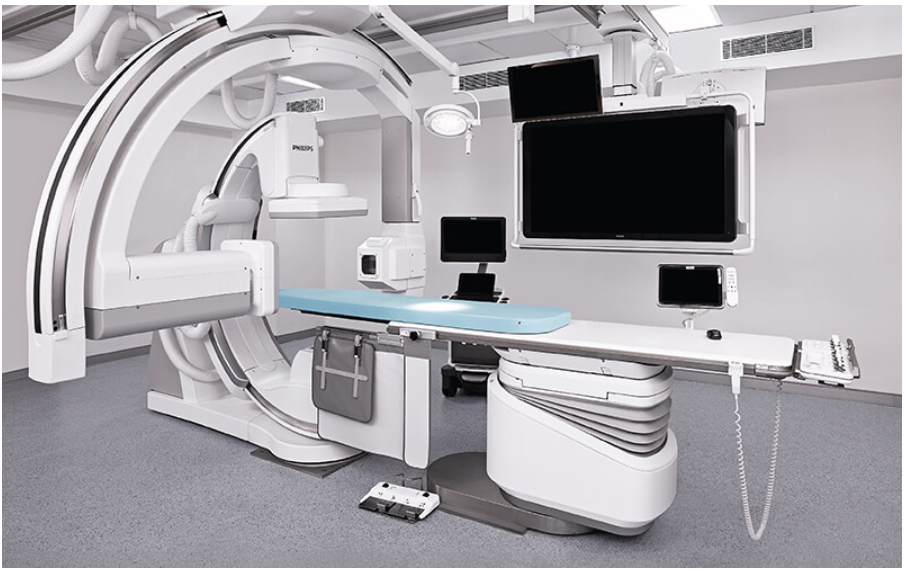
At Trinity Hospital and Heart Foundation, upper limb ischemia evaluation and treatment are supported by vascular imaging and interventional capabilities.
Facility includes:
EMI Options:
Mediclaim & Insurance Coverage:
Atherosclerosis medication (antiplatelet agents, anticoagulants) to improve blood flow and reduce clot risk. Cholesterol-lowering therapy, blood pressure and diabetes control, smoking cessation. Regular monitoring for progression. Effective for early or moderate cases — many patients managed successfully without surgery.
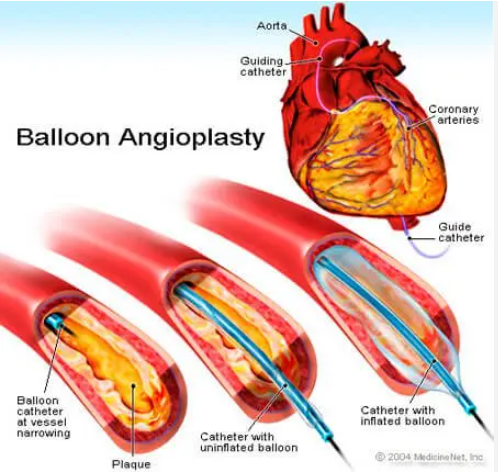
Minimally invasive balloon angioplasty to widen narrowed arm arteries. Stent placement if needed to maintain artery opening. Image-guided precision targeting. Suitable when atherosclerosis pathophysiology causes significant narrowing but anatomy favorable for endovascular approach. Shorter recovery than open surgery.
Emergency catheter-based clot dissolution or surgical clot removal for sudden arterial blockage. Required when acute limb ischemia threatens tissue viability. Time-critical intervention — early treatment improves outcomes. Distinguishing ischemia vs infarction critical for treatment planning.
Open surgical bypass using graft to restore blood flow around extensive blockages. Reserved for complex atherosclerosis complications not suitable for endovascular approach. Longer recovery but definitive treatment for severe multi-segment disease. Choice depends on extent of blockage, overall vascular health, anatomical factors.
After treatment for upper limb ischemia, ongoing atherosclerosis risk factor management and lifestyle modifications help prevent recurrence and maintain blood flow.
Post-treatment care includes:
Is upper limb ischemia life-threatening?
It can become serious if untreated, especially in cases of acute limb ischemia with sudden onset. Timely evaluation and treatment help prevent tissue damage and preserve limb function.
Are arm ischemia symptoms always painful? Not always. Some patients notice weakness, coldness, or fatigue without severe pain — making clinical evaluation essential for diagnosis.

Upper limb ischemia treatment at Trinity Hospital and Heart Foundation, Basavangudi emphasizes early diagnosis, thoughtful management, and patient clarity.
Under Dr. Sravan C.P.S, care decisions are guided by medical evidence, not urgency — helping patients move forward with confidence and understanding.
What the consultation includes:
Financial support available:
At Trinity Hospital and Heart Foundation, upper limb ischemia evaluation and treatment are led by Dr. Sravan C.P.S with rigorous training, international fellowship experience, and a focus on step-wise medical decision-making for peripheral vascular conditions.
Trinity Hospital and Heart Foundation, Bangalore
Dr. Sravan C.P.S is a highly experienced Vascular & Endovascular Surgeon serving patients in Basavangudi and across Bangalore with a deep commitment to safe, compassionate, and evidence-based care. His practice focuses on disorders of the blood vessels — arteries and veins — using both advanced minimally invasive techniques and established surgical approaches tailored to each individual's needs.
He completed rigorous training in vascular and endovascular surgery, including a fellowship at the National University Hospital, Singapore. He also served as an Assistant Professor of Vascular Surgery at the Sri Jayadeva Institute of Cardiovascular Sciences and Research, contributing to clinical care, education, and research.
In the management of upper limb ischemia, Dr. Sravan follows a structured evaluation process that includes vascular imaging assessment, identification of underlying cause (atherosclerosis pathophysiology, acute blockage), and discussion of both medication-based management and interventional revascularization options. He believes in a non-surgical-first approach when medically appropriate — prioritizing atherosclerosis medication, risk factor control, and monitoring, reserving intervention for cases with critical blood flow reduction or acute limb ischemia.
For patients requiring vascular intervention, Dr. Sravan is experienced in performing catheter-based angioplasty, thrombolysis for acute limb ischemia, and surgical bypass procedures using evidence-based techniques designed to restore circulation and preserve limb function — with careful patient selection and post-treatment surveillance.
Dr. Sravan is known for his clear communication style, helping patients and family members understand available treatment options and their limitations, the difference between ischemia vs infarction and treatment urgency, and the importance of atherosclerosis risk factor management for long-term vascular health.
At Trinity Hospital and Heart Foundation, he works within a multidisciplinary vascular care framework — coordinating with cardiology for coronary atherosclerosis management, imaging specialists for vascular assessment, and rehabilitation for functional recovery to ensure each patient receives evidence-based, ethical, and personalised treatment guidance.

Common questions and detailed answers about upper limb ischemia, atherosclerosis, symptoms, and treatment
It is commonly caused by atherosclerosis (plaque buildup in arm arteries), blood clots, or sudden arterial blockage. Risk factors include high cholesterol, smoking, diabetes, high blood pressure, and family history.
No. Acute limb ischemia refers to sudden onset (usually from blood clot), while chronic upper limb ischemia develops gradually over time due to atherosclerosis pathophysiology.
Yes. While atherosclerosis is often associated with coronary atherosclerosis (heart arteries), peripheral artery disease can affect arm arteries causing reduced blood flow and ischemic symptoms.
It is a diagnostic coding system used for medical records, insurance documentation, and billing purposes. Your healthcare team handles this coding for treatment authorization and claims.
In early or moderate cases, atherosclerosis medication (antiplatelet agents, cholesterol-lowering therapy) and lifestyle management may be sufficient to control symptoms and prevent progression without surgery.
Ischemia is reduced blood flow — potentially reversible with treatment. Infarction means tissue damage or death due to prolonged lack of blood supply — represents more advanced disease requiring urgent intervention.
Not always. Some patients notice weakness, coldness, color change, or fatigue without severe pain. Gradual onset symptoms may be subtle, making clinical evaluation and vascular imaging essential for diagnosis.
Only when blood flow is critically reduced, symptoms significantly affect daily function, or there is acute limb ischemia with tissue damage risk — and conservative management has been insufficient.
It can become serious if untreated, especially acute limb ischemia with sudden onset. Chronic cases progress gradually but timely evaluation and treatment help prevent tissue damage and preserve limb function.
Patients with persistent arm pain, coldness, color change, weak grip strength, numbness, or delayed wound healing should consult a vascular specialist for assessment and imaging evaluation.
Experiencing arm pain, coldness, weak grip, or other upper limb ischemia symptoms? Schedule a consultation with Dr. Sravan C.P.S at Trinity Hospital and Heart Foundation, Basavangudi Bengaluru for expert vascular evaluation and treatment.
+91 8040136999
trinityheartfoundation@gmail.com
Trinity Hospital and Heart Foundation, Basavangudi, Bengaluru, Karnataka
 24 Hour Emergency Aid