
Thoracic Outlet Syndrome (TOS) treatment focuses on identifying and relieving pressure on the nerves or blood vessels that pass from the neck to the arm. At Trinity Hospital and Heart Foundation, Basavangudi, care is centred on clarity, safety, and step-by-step evaluation — so patients understand why symptoms are happening and what options are available.
Many patients come in with unexplained neck and arm pain, arm muscle pain, swelling, or tingling that affects daily activities. The goal of treatment is not to rush into procedures, but to reduce discomfort, restore function, and prevent long-term nerve or vessel damage through the most appropriate approach for each individual.
Thoracic Outlet Syndrome treatment addresses compression occurring in the space between the collarbone and first rib — an area known as the thoracic outlet. This compression may affect nerves (such as the long thoracic nerve) or blood vessels, leading to pain, weakness, numbness, or swelling in the neck, shoulder, and arm.
Treatment is not a single procedure. It is a planned medical process that begins with careful clinical assessment, specialized thoracic outlet syndrome tests, and symptom correlation.
Based on findings, care may involve:
Symptoms of thoracic outlet syndrome vary widely and may overlap with other neck or arm conditions. A medical evaluation is essential for accurate diagnosis. Common symptoms include:
Persistent neck pain or stiffness
Neck and arm pain that worsens with activity
Tingling, numbness, or weakness in the arm or hand
Left arm pain causes without clear injury, or pain in right arm during overhead movements
Shoulder fatigue or muscle weakness, arm muscle pain
Thoracic outlet syndrome swelling in the arm or hand, symptoms triggered during elevated arm stress test
These symptoms can be caused by multiple conditions. Consultation with a qualified doctor is essential before considering any treatment.
These symptoms can be caused by multiple conditions. Consultation with a qualified doctor is essential.
It is important to remember that TOS symptoms overlap with other conditions. Proper diagnostic testing is essential for accurate diagnosis.
Consult a specialist if neck or arm pain persists, worsens, or affects daily function — especially if associated with tingling, weakness, or swelling.
Understanding what causes TOS and how it is diagnosed helps patients recognise symptoms and seek appropriate evaluation.
Anatomical compression — space between collarbone and first rib narrows affecting nerves or vessels
Poor posture and repetitive overhead activity — can aggravate symptoms and worsen compression
Long thoracic nerve involvement — causes weakness, numbness, arm muscle pain
Vascular involvement — thoracic outlet syndrome swelling indicates blood vessel compression
<strong>What tests are used to diagnose TOS?</strong> Clinical exams including <strong>elevated arm stress test</strong> and other <strong>thoracic outlet syndrome special tests</strong>, imaging studies, and symptom correlation. Proper diagnosis helps ensure safe decision-making and appropriate treatment selection.
Thoracic outlet syndrome management follows a non-surgical-first philosophy whenever medically appropriate.
Non-surgical care may be suitable for many patients, especially in early or mild cases:
Are all cases of TOS treated with surgery? No. Many patients improve with non-surgical thoracic outlet syndrome management including physiotherapy, posture correction, and medication.
This approach aims to relieve compression, improve mobility, and prevent progression — under close medical supervision.
Surgical or interventional treatment is considered only when:
These options focus on relieving structural compression and are discussed in detail only after thorough diagnostic testing including thoracic outlet syndrome tests and patient counseling.
At Trinity Hospital and Heart Foundation, interventions for thoracic outlet syndrome are planned with detailed diagnostic confirmation and multidisciplinary evaluation.
Treatment planning includes:
The chosen method depends entirely on patient anatomy, symptom severity, and diagnostic findings — not a fixed protocol.
Why evaluation matters:
Diagnostic tests may include:
At Trinity Hospital and Heart Foundation, thoracic outlet syndrome evaluation and treatment are supported by multidisciplinary vascular and neurovascular expertise.
Facility includes:
EMI & Payment Options:
Mediclaim & Insurance Support:
Pain-relieving medications, muscle relaxation therapy, targeted physiotherapy for posture and muscle balance, activity modification, ergonomic guidance. Suitable for many patients especially early or mild cases. Aims to relieve compression, improve mobility, prevent progression under medical supervision. How long does non-surgical treatment take? Varies by patient, symptom severity, and response to therapy.
Specialized exercises to strengthen shoulder muscles and improve posture. Stretching tight chest and neck muscles. Training in proper body mechanics for overhead activities. Can posture or work habits worsen TOS symptoms? Yes — poor posture and repetitive overhead activity can aggravate symptoms significantly.
Surgical removal of first rib or other compressing structures when conservative care fails and nerve compression confirmed on testing. Performed when symptoms persist despite non-surgical management and daily function significantly affected. Requires thorough diagnostic confirmation using thoracic outlet syndrome tests.
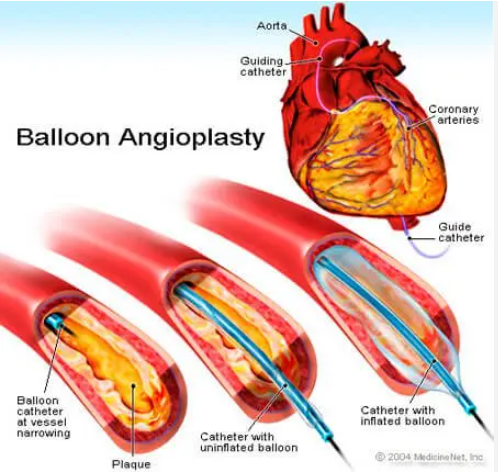
Surgical or endovascular treatment when blood vessel compression causes arm swelling. May include first rib resection or vessel repair depending on anatomy. Alternative approaches considered in select cases depending on whether nerve compression, venous involvement, or arterial factors are dominant. Treating doctor explains why specific method recommended.
After treatment for thoracic outlet syndrome, ongoing physiotherapy, posture maintenance, and activity modifications help prevent recurrence and maintain symptom relief.
Post-treatment care includes:
Is thoracic outlet syndrome permanent?
With timely diagnosis and appropriate care, many patients achieve good symptom control and functional recovery. Ongoing attention to posture, ergonomics, and muscle balance helps maintain results.
Does TOS cause vertigo? Some patients report dizziness or balance issues (neck pain vertigo), though this requires careful evaluation to rule out other causes.

Treatment for thoracic outlet syndrome under Dr. Sravan C.P.S is guided by careful evaluation, patient education, and shared decision-making. The focus is always on choosing the safest, most appropriate path — based on medical need, not urgency.
What the consultation includes:
If you or a family member are experiencing persistent neck or arm symptoms, a structured consultation can help clarify the cause and next steps.
Financial support available:
At Trinity Hospital and Heart Foundation, thoracic outlet syndrome evaluation and treatment are led by Dr. Sravan C.P.S with rigorous training, international fellowship experience, and a focus on careful evaluation and step-by-step care for neurovascular compression syndromes.
Trinity Hospital and Heart Foundation, Bangalore
Dr. Sravan C.P.S is a highly experienced Vascular & Endovascular Surgeon serving patients in Basavangudi and across Bangalore with a deep commitment to safe, compassionate, and evidence-based care. His practice focuses on disorders of the blood vessels — arteries and veins — using both advanced minimally invasive techniques and established surgical approaches tailored to each individual's needs.
He completed rigorous training in vascular and endovascular surgery, including a fellowship at the National University Hospital, Singapore. He also served as an Assistant Professor of Vascular Surgery at the Sri Jayadeva Institute of Cardiovascular Sciences and Research, contributing to clinical care, education, and research.
In the management of thoracic outlet syndrome, Dr. Sravan follows a structured evaluation process that includes clinical examination with thoracic outlet syndrome special tests (elevated arm stress test, etc.), imaging correlation, and assessment of whether nerve or vascular compression is dominant. He believes in a non-surgical-first philosophy — prioritizing physiotherapy, posture correction, and medication when appropriate, reserving surgical intervention for cases with clear clinical need and confirmed diagnostic findings.
For patients requiring surgical decompression, Dr. Sravan is experienced in performing neurovascular compression relief procedures using evidence-based techniques designed to relieve structural compression while preserving function — with careful patient selection and multidisciplinary coordination.
Dr. Sravan is known for his clear communication style, helping patients and family members understand available treatment options and limitations, expected recovery and physiotherapy requirements, and the importance of posture maintenance and ergonomic modifications for long-term symptom control.
At Trinity Hospital and Heart Foundation, he works within a multidisciplinary neurovascular care framework — coordinating with neurology for nerve studies, physiotherapy for rehabilitation, and pain management specialists to ensure each patient receives evidence-based, ethical, and personalised treatment guidance.

Common questions and detailed answers about TOS, symptoms, diagnosis, treatment, and recovery
To relieve nerve or blood vessel compression between the collarbone and first rib, reducing pain, weakness, numbness, or swelling affecting the arm, neck, and shoulder.
No. Many patients improve with non-surgical thoracic outlet syndrome management including targeted physiotherapy, posture correction, pain medications, and activity modifications.
Clinical exams including elevated arm stress test and other thoracic outlet syndrome special tests, imaging studies (X-ray, MRI, ultrasound), nerve conduction studies, and symptom correlation with physical examination findings.
Yes. Combined neck and arm pain is a common presentation of thoracic outlet syndrome due to compression affecting nerves that run from the neck through the shoulder to the arm.
Swelling (thoracic outlet syndrome swelling) may indicate vascular involvement — blood vessel compression — and should be evaluated promptly by a vascular surgeon to assess severity and treatment needs.
It varies by patient, symptom severity, and response to physiotherapy and medication. Many patients see improvement within weeks to months with consistent conservative management.
Yes. Poor posture, repetitive overhead activity, prolonged computer use, and improper ergonomics can significantly aggravate symptoms and increase nerve or vessel compression.
With timely diagnosis and appropriate care including physiotherapy, ergonomic modifications, and when needed surgical intervention, many patients achieve good symptom control and functional recovery. Ongoing posture maintenance helps prevent recurrence.
Some patients report dizziness or balance issues (neck pain vertigo connection), though this requires careful evaluation to rule out other causes such as inner ear disorders or cervical spine issues.
If neck or arm pain persists, worsens, or affects daily function, especially if associated with tingling, numbness, weakness, or arm swelling — consultation with a vascular surgeon is advised for proper diagnosis and treatment.
Experiencing persistent neck and arm pain, tingling, weakness, or arm swelling? Schedule a consultation with Dr. Sravan C.P.S at Trinity Hospital and Heart Foundation, Basavangudi Bengaluru for expert thoracic outlet syndrome evaluation and treatment.
+91 8040136999
trinityheartfoundation@gmail.com
Trinity Hospital and Heart Foundation, Basavangudi, Bengaluru, Karnataka
 24 Hour Emergency Aid