

An aortic aneurysm is a serious but often silent condition. Many people live with it for years without symptoms, while others may experience warning signs that need careful medical attention.
At Trinity Hospital and Heart Foundation, Basavangudi, aortic aneurysm treatment is approached with one clear priority: patient safety through accurate diagnosis, close monitoring, and timely intervention only when truly needed. Under the care of Dr. Sravan C.P.S, patients and families are guided step by step — without panic, pressure, or unnecessary procedures.
This treatment exists to prevent rupture, control complications, and protect vital organs, especially the heart, brain, and abdominal organs supplied by the aorta.
The aorta is the main blood vessel that carries blood from the heart to the rest of the body. An aortic aneurysm occurs when a portion of this vessel becomes weak and starts to widen or bulge.
Aortic aneurysm treatment focuses on:
Treatment does not always mean surgery. Many patients only require regular follow-up and medical management, especially when the aneurysm is small and stable.
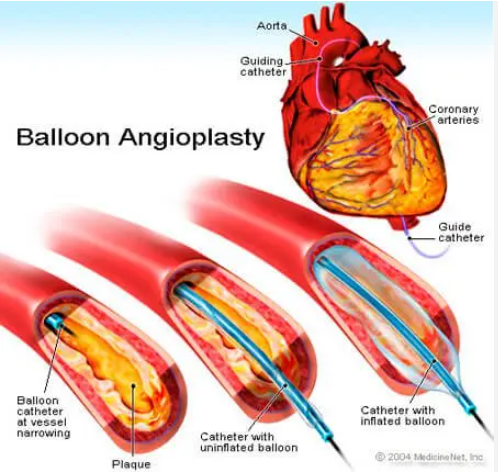
Aortic aneurysms often cause no symptoms in early stages. When symptoms do appear, they may vary based on location (abdominal or thoracic). Possible warning signs include:
Persistent or sudden chest pain or right side chest pain
Deep, aching pain in the abdomen or lower back
A pulsating feeling in the abdomen
Shortness of breath
Hoarseness or difficulty swallowing (thoracic aneurysm)
Sudden dizziness or weakness, rare stroke-like symptoms (can aortic aneurysm cause stroke)
Aortic aneurysms often cause no symptoms in early stages. When symptoms appear, prompt evaluation is essential.
Aortic aneurysms often cause no symptoms in early stages. When symptoms appear, prompt imaging and evaluation are essential.
It is important to remember that aortic aneurysms can be silent. Regular imaging and vascular assessment are essential for at-risk patients.
Consult a specialist if imaging shows an aneurysm, or if you have persistent chest, abdominal, or back pain with risk factors like high BP, smoking, or family history.
Understanding what causes aortic aneurysms and the different types helps guide appropriate monitoring and treatment decisions.
High blood pressure, smoking, age-related vessel weakening — most common abdominal aneurysm causes
Genetic factors and connective tissue disorders — increase aneurysm development risk
Infrarenal abdominal aortic aneurysm — located below kidney arteries, most common AAA type
Thoracic aortic aneurysm — affects chest aorta, different treatment considerations than abdominal
<strong>What is an infrarenal abdominal aortic aneurysm?</strong> It is an aneurysm located below the kidney arteries — the most common type of abdominal aortic aneurysm. Diagnosis confirmed through ultrasound or CT scan showing <strong>abdominal aortic aneurysm on CT</strong> imaging.
Aortic aneurysm management is always individualised, based on medical findings — not fear or assumptions.
Non-surgical management may be recommended when:
This approach may include:
Is surgery mandatory for all aneurysms? No. Many patients are safely managed with monitoring and medication when the aneurysm is small and stable. Careful follow-up is critical to ensure the aneurysm remains stable.
Intervention is considered when:
The decision is always based on clinical guidelines, imaging findings (abdominal aortic aneurysm on CT), and overall patient health — not urgency-based messaging. Treatment selection considers aneurysm location, patient age, and anatomical factors.
At Trinity Hospital and Heart Foundation, suitable patients may be evaluated for advanced endovascular or surgical aneurysm repair techniques, depending on aneurysm location (abdominal or thoracic) and anatomy.
This approach is preferred in selected cases because it allows:
The method is chosen only after detailed evaluation by Dr. Sravan C.P.S, keeping long-term safety and recovery in focus.
Treatment methods may include:
How is an aortic aneurysm diagnosed? Through ultrasound (abdominal screening), CT angiography, or MRI depending on location and clinical suspicion.
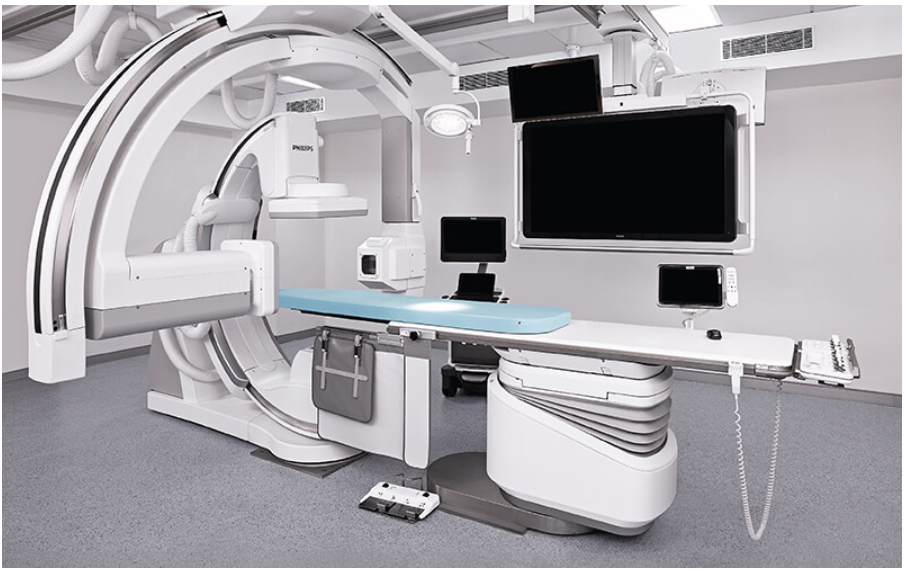
At Trinity Hospital and Heart Foundation, aortic aneurysm evaluation and treatment are supported by advanced vascular imaging and surgical capabilities.
Facility includes:
EMI Options:
Mediclaim & Insurance Coverage:
Blood pressure control, cholesterol management, smoking cessation, regular CT or ultrasound imaging surveillance. For small stable aneurysms without rapid growth or high-risk features. Many patients safely managed long-term without surgery when aneurysm remains below size threshold. Careful follow-up critical to detect growth.
Direct surgical approach replacing aneurysm segment with synthetic graft. Used for infrarenal abdominal aortic aneurysm when anatomically complex or endovascular not suitable. Longer recovery than endovascular but definitive repair. Gold standard for ruptured aneurysms requiring emergency intervention.
Minimally invasive approach using catheter-delivered stent graft to exclude aneurysm from circulation. Preferred for infrarenal AAA when anatomy suitable — detected on abdominal aortic aneurysm CT imaging. Shorter hospital stay and faster recovery than open surgery. Requires lifelong imaging surveillance for graft integrity.
Open surgical repair or thoracic endovascular aortic repair (TEVAR) depending on location and patient anatomy. Thoracic and abdominal aneurysms treated differently based on location, size, and associated risks. Method selection depends on aneurysm type, patient age and health, anatomical factors. No one-size-fits-all solution.
After aneurysm repair or during non-surgical management, regular surveillance and risk factor control are essential to prevent recurrence or new aneurysm development.
Post-treatment care includes:
How does the aorta get ruptured?
Rupture risk increases with aneurysm size, rapid growth, uncontrolled blood pressure, or trauma. This is why careful monitoring and timely intervention are essential when aneurysm reaches critical size or growth rate.

If you or a family member has been diagnosed with an aortic aneurysm or advised further evaluation, a structured consultation with Dr. Sravan C.P.S can help clarify:
What the consultation determines:
This approach prioritises understanding first, decisions second.
Financial support available:
At Trinity Hospital and Heart Foundation, aortic aneurysm evaluation and treatment are led by Dr. Sravan C.P.S with rigorous training, international fellowship experience, and a focus on patient safety through accurate diagnosis and timely intervention only when truly needed.
Trinity Hospital and Heart Foundation, Bangalore
Dr. Sravan C.P.S is a highly experienced Vascular & Endovascular Surgeon serving patients in Basavangudi and across Bangalore with a deep commitment to safe, compassionate, and evidence-based care. His practice focuses on disorders of the blood vessels — arteries and veins — using both advanced minimally invasive techniques and established surgical approaches tailored to each individual's needs.
He completed rigorous training in vascular and endovascular surgery, including a fellowship at the National University Hospital, Singapore. He also served as an Assistant Professor of Vascular Surgery at the Sri Jayadeva Institute of Cardiovascular Sciences and Research, contributing to clinical care, education, and research.
In the management of aortic aneurysms, Dr. Sravan follows a structured evaluation process that includes CT imaging assessment (abdominal aortic aneurysm on CT for size and anatomy), aneurysm type classification (infrarenal abdominal vs thoracic), and discussion of both surveillance monitoring and surgical/endovascular intervention options. He believes in patient safety through accurate diagnosis and timely intervention only when truly needed — guiding patients step by step without panic or pressure.
For patients requiring aneurysm repair, Dr. Sravan is experienced in performing open abdominal aortic aneurysm surgery and endovascular aneurysm repair (EVAR) using evidence-based techniques designed to prevent rupture and protect vital organs — with careful patient selection and long-term surveillance monitoring.
Dr. Sravan is known for his clear communication style, helping patients and family members understand whether treatment is needed now or monitoring appropriate, available repair options and their limitations, and the importance of risk factor control and lifelong surveillance.
At Trinity Hospital and Heart Foundation, he works within a multidisciplinary vascular care framework — coordinating with cardiac surgery for thoracic aneurysms, imaging specialists for surveillance, and intensive care when needed to ensure each patient receives evidence-based, ethical, and personalised treatment guidance.

Common questions and detailed answers about aortic aneurysm, symptoms, diagnosis, treatment, and prevention
High blood pressure, smoking, age-related vessel weakening (atherosclerosis), and genetic factors are common contributors. Family history and connective tissue disorders also increase risk.
It is an aneurysm located below the kidney arteries in the abdominal aorta — the most common type of abdominal aortic aneurysm (AAA). Diagnosed through ultrasound or CT imaging.
Yes, in certain cases where blood clots form inside the aneurysm and break off, or when blood flow to brain arteries is affected — especially with thoracic aortic aneurysms near the aortic arch.
No. Chest pain reasons vary widely including heart disease, lung issues, musculoskeletal problems, and digestive conditions. Imaging (CT scan, ultrasound) is required to confirm aneurysm involvement.
Rupture risk increases with aneurysm size (especially >5.5cm), rapid growth rate (>0.5cm/year), uncontrolled blood pressure, continued smoking, or trauma. This is why monitoring and timely intervention are essential.
No. Many patients with small, stable aneurysms are safely managed with blood pressure control, smoking cessation, regular imaging surveillance, and medication — without surgery.
Through ultrasound (common for abdominal screening), CT angiography (abdominal aortic aneurysm on CT provides detailed size and anatomy), or MRI depending on location and clinical suspicion.
It is a medical classification code (ICD-10) used for diagnosis documentation, insurance billing, and medical record keeping. Your healthcare team handles this coding for insurance purposes.
No. Treatment differs based on location, size, growth rate, and associated risks. Thoracic aneurysms may require different surgical approaches and have different size thresholds for intervention than abdominal aneurysms.
If imaging shows an aneurysm, or if you have persistent chest, abdominal, or back pain with risk factors like high blood pressure, smoking, family history, or age >65 — consult a vascular surgeon for evaluation.
Diagnosed with aortic aneurysm or experiencing persistent chest or abdominal pain? Schedule a consultation with Dr. Sravan C.P.S at Trinity Hospital and Heart Foundation, Basavangudi Bengaluru for expert vascular evaluation and treatment guidance.
+91 8040136999
trinityheartfoundation@gmail.com
Trinity Hospital and Heart Foundation, Basavangudi, Bengaluru, Karnataka
 24 Hour Emergency Aid