

Deep vein disorders are conditions that affect the large veins located deep inside the body — most commonly in the legs. These conditions can interfere with healthy blood flow and, if not addressed at the right time, may lead to serious complications.
At Trinity Hospital and Heart Foundation, Basavangudi, treatment for deep vein disorders is approached with clarity and caution. Under the care of Dr. Sravan C.P.S, patients are evaluated thoroughly to understand the cause of symptoms such as leg swelling, pain, or unexplained discomfort — before deciding on the most appropriate treatment path.
The focus is always on early identification, medical management where possible, and timely intervention only when necessary.
Treatment for deep vein disorders is aimed at restoring safe blood flow and preventing blood clots from growing or traveling to vital organs such as the lungs.
In simple terms, this treatment helps:
Not every patient requires surgery. Many cases are effectively managed with medication, monitoring, and lifestyle guidance, based on individual risk factors and disease stage.
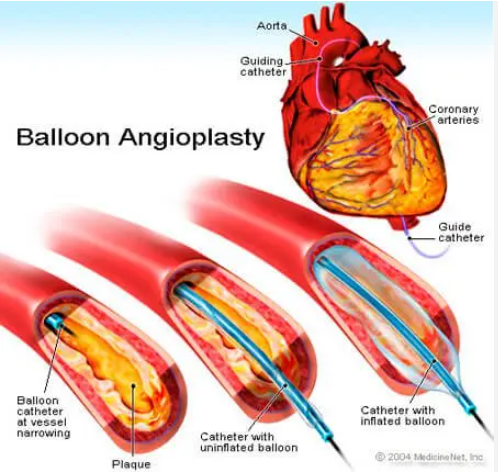
Deep vein disorders can present differently in each patient. Some common warning signs include:
Swelling in one leg or calf
Pain or tenderness in the leg, especially while standing or walking
Warmth or redness over the affected area
Unexplained leg heaviness or tightness
Sudden increase in leg swelling
Skin discoloration over the leg
Early-stage DVT symptoms in the leg can be subtle. Persistent or unexplained leg swelling should not be ignored.
Early-stage DVT symptoms can be subtle. Persistent or unexplained leg swelling should not be ignored.
It is important to remember that leg swelling can have many causes. A medical evaluation is necessary to identify the exact reason.
Consult a specialist if you have persistent leg swelling, pain, warmth, redness, or a previous history of blood clots — early consultation helps prevent complications.
Understanding what causes deep vein disorders and recognising warning signs helps patients seek timely medical evaluation.
Prolonged immobility — long flights, bed rest, surgery can slow blood flow and increase clot risk
Surgery and medical conditions — certain procedures and illnesses increase blood clotting tendency
Dehydration and blood clotting disorders — affect blood viscosity and natural anticoagulation
Why do legs swell in deep vein conditions — blood flow obstruction causes fluid accumulation in tissues
<strong>What are the complications if DVT is left untreated?</strong> Potential complications include clot migration to the lungs (pulmonary embolism), chronic leg swelling (post-thrombotic syndrome), and permanent vein damage. Early detection and treatment significantly reduce these risks.
Treatment for deep vein disorders is always individualised. The approach depends on symptoms, clot location, risk factors, and overall health.
Many patients respond well to medical management, especially when the condition is detected early. This may include:
Medication such as deep vein thrombosis medication (including injectable and oral options) is prescribed only after careful assessment to balance effectiveness and safety.
Can deep vein thrombosis be treated without surgery? Yes. Many patients are treated successfully with medication and monitoring alone.
Interventional treatment is considered when:
These procedures are not emergency-driven by default and are recommended only after thorough discussion with the patient and family. The goal is to treat the problem vein while preserving overall circulation and safety.
At Trinity Hospital and Heart Foundation, suitable patients may be managed using minimally invasive, image-guided vascular interventions.
This approach is preferred when appropriate because it offers:
The goal is to treat the problem vein while preserving overall circulation and safety.
Interventional methods may include:
Are medical devices used in DVT treatment? In selected cases, specialized devices may be used during interventional procedures to remove or manage blood clots.
The choice of method is always decided by the treating specialist, based on imaging findings, clot characteristics, and patient-specific risk factors.
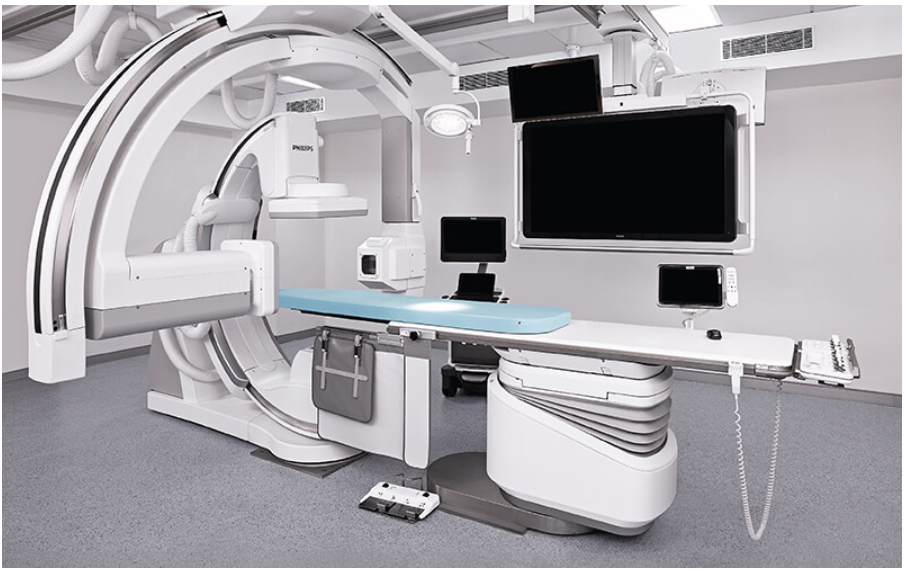
At Trinity Hospital and Heart Foundation, deep vein disorders evaluation and treatment are supported by vascular imaging and interventional capabilities.
Facility includes:
Easy EMI Options:
Mediclaim & Insurance Coverage:
Deep vein thrombosis medication including injectable (heparin, low molecular weight heparin) and oral anticoagulants to prevent clot growth and new clot formation. Careful dose selection especially in patients with low platelets. Regular blood monitoring to balance effectiveness and bleeding risk. Many patients treated successfully without surgery.
Minimally invasive image-guided catheter inserted to targeted vein segment. Delivers clot-dissolving medication directly to thrombus. Preferred when clot is extensive or causing severe symptoms. Shorter hospital stay compared to open surgery. Medical devices used in selected cases for mechanical assistance.
Specialized devices used during interventional procedures to physically remove blood clots when medication alone insufficient. Image-guided precision targeting. Reserved for severe cases with significant blood flow obstruction or high complication risk. Faster symptom relief than medication alone in selected patients.
Graduated compression stockings reduce leg swelling and prevent post-thrombotic syndrome. Lifestyle guidance on hydration, mobility, and risk factor control. Regular follow-up monitoring for recurrence prevention. Can DVT recur after treatment? Yes, which is why preventive care and follow-up important.
After treatment for deep vein disorders, ongoing monitoring and lifestyle modifications help prevent recurrence and protect long-term vein health.
Post-treatment care includes:
How long does DVT treatment usually last?
Treatment duration varies from a few months to longer, depending on risk factors and recurrence risk. Some patients require extended anticoagulation, while others transition to preventive measures.
Can DVT recur after treatment? Recurrence is possible, which is why follow-up and preventive care are important — especially for patients with ongoing risk factors.

If you or a family member are experiencing symptoms related to deep vein disorders, a structured evaluation with Dr. Sravan C.P.S can help clarify the condition and treatment options — without pressure or unnecessary intervention.
Early understanding leads to safer outcomes and long-term vein health.
What the consultation determines:
Financial support available:
At Trinity Hospital and Heart Foundation, deep vein disorders and DVT evaluation and treatment are led by Dr. Sravan C.P.S with rigorous training, international fellowship experience, and a focus on early identification and patient-centred vascular care.
Trinity Hospital and Heart Foundation, Bangalore
Dr. Sravan C.P.S is a highly experienced Vascular & Endovascular Surgeon serving patients in Basavangudi and across Bangalore with a deep commitment to safe, compassionate, and evidence-based care. His practice focuses on disorders of the blood vessels — arteries and veins — using both advanced minimally invasive techniques and established surgical approaches tailored to each individual's needs.
He completed rigorous training in vascular and endovascular surgery, including a fellowship at the National University Hospital, Singapore. He also served as an Assistant Professor of Vascular Surgery at the Sri Jayadeva Institute of Cardiovascular Sciences and Research, contributing to clinical care, education, and research.
In the management of deep vein disorders, Dr. Sravan follows a structured evaluation process that includes symptom assessment (leg swelling, pain, warmth), Doppler ultrasound imaging correlation, and discussion of both medical anticoagulation management and interventional options. He believes in early identification and medical management where possible — reserving interventional procedures for cases with clear clinical need.
For patients requiring catheter-based intervention, Dr. Sravan is experienced in performing minimally invasive clot management and device-assisted clot removal using image-guided techniques designed to restore venous blood flow and prevent complications — with careful patient selection and anticoagulation monitoring.
Dr. Sravan is known for his clear communication style, helping patients and family members understand available treatment options and their limitations, expected recovery and anticoagulation duration, and the importance of recurrence prevention and lifestyle modifications.
At Trinity Hospital and Heart Foundation, he works within a multidisciplinary vascular care framework — coordinating with hematology for anticoagulation management, imaging specialists for clot assessment, and intensive care when needed to ensure each patient receives evidence-based, ethical, and personalised treatment guidance.

Common questions and detailed answers about DVT, symptoms, treatment, medication, and prevention
They can result from prolonged immobility (long flights, bed rest), surgery, certain medical conditions, dehydration, blood clotting disorders, or genetic factors that increase clotting tendency.
Swelling occurs when blood flow is obstructed by a clot. Blood backs up in the vein, causing fluid to accumulate in the surrounding leg tissues, leading to visible swelling and heaviness.
No. Leg swelling can have many causes including heart failure, kidney disease, lymphedema, or superficial vein issues. A medical evaluation with Doppler ultrasound is necessary to identify the exact reason.
Yes. Many patients are treated successfully with deep vein thrombosis medication (anticoagulants) and monitoring alone. Surgery or catheter-based intervention is reserved for severe or complicated cases.
Treatment duration varies from a few months to longer (sometimes lifelong), depending on risk factors, clot location, and recurrence risk. Your doctor determines appropriate duration based on individual assessment.
Yes, but it requires careful drug selection, dose adjustment, and close monitoring by a vascular specialist. Balancing anticoagulation effectiveness with bleeding risk is essential in patients with low platelet counts.
In selected cases, specialized catheter-based devices may be used during interventional procedures to mechanically remove blood clots or deliver clot-dissolving medication directly to the affected vein.
Potential complications include clot migration to the lungs (pulmonary embolism, life-threatening), chronic leg swelling (post-thrombotic syndrome), skin changes, and permanent vein damage reducing quality of life.
If you have persistent leg swelling, pain, warmth, redness, or a previous history of blood clots, early consultation is advised. Prompt evaluation helps prevent complications and guides appropriate treatment.
Recurrence is possible, especially in patients with ongoing risk factors (immobility, clotting disorders, cancer). This is why follow-up monitoring, preventive anticoagulation in selected cases, and lifestyle modifications are important.
Experiencing leg swelling, pain, warmth, or DVT symptoms? Schedule a consultation with Dr. Sravan C.P.S at Trinity Hospital and Heart Foundation, Basavangudi Bengaluru for expert vascular evaluation and treatment.
+91 8040136999
trinityheartfoundation@gmail.com
Trinity Hospital and Heart Foundation, Basavangudi, Bengaluru, Karnataka
 24 Hour Emergency Aid