

For patients with chronic kidney disease who require long-term dialysis, having a reliable and safe blood access is essential. An AV fistula for dialysis is a commonly recommended access option because it supports effective dialysis while reducing repeated needle-related complications over time.
At Trinity Hospital and Heart Foundation, Basavangudi, care is centred on helping patients and families understand why an AV fistula may be advised, when it is appropriate, and what alternatives exist — so decisions are made calmly and confidently, never in haste.
An arteriovenous (AV) fistula is a medical connection created between an artery and a vein, usually in the arm, to allow adequate blood flow for dialysis treatment.
In simple terms, it:
The purpose of an AV fistula procedure is not surgery for its own sake, but to support safe, long-term dialysis when kidney function cannot be restored through medical treatment alone.
Patients are usually advised to consider evaluation for an AV fistula based on kidney function, not just symptoms. However, some common indicators include:
Advanced chronic kidney disease (Stage 4 or 5)
Anticipated need for long-term dialysis
Repeated issues with temporary dialysis catheters
Poor blood flow during dialysis sessions
Frequent infections or clotting of dialysis lines
Swelling or discomfort around existing access points
Symptoms and treatment needs vary from person to person. Only a qualified doctor can determine whether an AV fistula is appropriate after clinical evaluation and imaging studies.
Only a qualified doctor can determine whether an AV fistula is appropriate after evaluation.
It is important to remember that AV fistula creation depends on vascular health and kidney disease progression. Clinical evaluation and vessel assessment are essential.
Consult a vascular surgeon if dialysis has been advised, kidney disease is progressing, or you have repeated issues with temporary dialysis catheters — early consultation helps plan treatment calmly.
Understanding the different types of dialysis access and AV fistula options helps patients make informed decisions about their care.
Native AV fistula — uses patient's own artery and vein, preferred when anatomy suitable, lower infection risk
AV graft — synthetic tube connects artery and vein when native fistula not possible
Temporary or tunneled catheters — short-term access while fistula matures or when surgery not suitable
Types of AV fistula — radiocephalic (wrist), brachiocephalic (elbow), brachiobasilic (upper arm) based on vessel location
<strong>How long does an AV fistula last?</strong> With proper care, it can function for many years, though this varies by patient. The type of AV fistula procedure selected depends on individual vascular health — not a one-size-fits-all approach.
Management is always individualised. Surgery is not automatically the first step.
In early or stable stages, doctors may recommend:
These approaches aim to delay or optimise the timing of permanent access creation. Not all dialysis patients require immediate AV fistula surgery — timing depends on kidney function progression and overall health.
An AV fistula surgery for dialysis is considered when:
The decision is based on clinical need, vascular assessment, and the patient's overall health — never on urgency alone. Early planning helps preserve long-term vascular health and avoid emergency placement.
At Trinity Hospital and Heart Foundation, the preferred approach is native AV fistula creation (arteriovenous fistula dialysis surgery) using the patient's own artery and vein when anatomy is suitable.
Why native AV fistula is often preferred:
Dr. Sravan C.P.S evaluates vessel quality carefully before recommending this option.
Procedure overview:
Does AV fistula surgery require hospital stay? Many patients are discharged the same day or within 24 hours, depending on recovery and overall health.
At Trinity Hospital and Heart Foundation, AV fistula for dialysis surgery is supported by vascular surgery expertise and comprehensive dialysis access care.
Facility includes:
EMI & Financial Support Options:
Mediclaim & Insurance Coverage:
Surgical connection between patient's own artery and vein for dialysis access. Types of AV fistula include radiocephalic (wrist), brachiocephalic (elbow), and brachiobasilic (upper arm) based on vessel location and anatomy. Preferred when suitable — lower infection risk, better long-term durability, allows efficient blood flow. Requires 4-8 week maturation period before dialysis use.
Synthetic tube connects artery and vein when native fistula creation not possible due to poor vessel quality. Can be used sooner than native fistula (2-3 weeks maturation). Higher infection and clotting risk compared to native fistula. Alternative when patient anatomy not suitable for native access.
Short-term dialysis access while AV fistula matures or when surgery not suitable. Higher infection risk and lower blood flow compared to fistula. Used for emergency dialysis or bridge to permanent access. Not recommended for long-term use when fistula creation is possible.
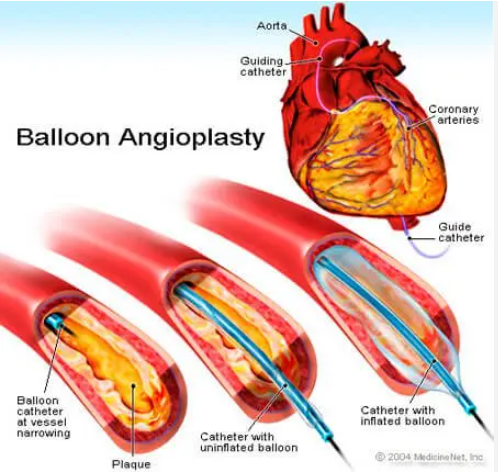
Interventional procedures to restore function when AV fistula develops blood flow problems. May include balloon angioplasty, clot removal (thrombectomy), or surgical revision. Required when symptoms of AV fistula complications appear (reduced thrill, swelling, poor dialysis flow). Early detection through regular monitoring helps preserve fistula function.
After AV fistula creation, proper maturation and regular monitoring are essential for long-term function and dialysis success.
Fistula maturation period:
Possible complications & their management:
Early detection and timely management help reduce long-term issues. Regular follow-ups are essential.

If dialysis has been advised or kidney disease is progressing, an early consultation helps avoid emergency access placement, plan treatment calmly, and preserve long-term vascular health.
At Trinity Hospital and Heart Foundation, Basavangudi, Dr. Sravan C.P.S focuses on:
So care feels informed, not overwhelming.
Financial support available:
At Trinity Hospital and Heart Foundation, AV fistula for dialysis surgery and vascular access care are led by Dr. Sravan C.P.S with rigorous training, international fellowship experience, and a focus on patient-centred decision-making for dialysis access.
Trinity Hospital and Heart Foundation, Bangalore
Dr. Sravan C.P.S is a highly experienced Vascular & Endovascular Surgeon serving patients in Basavangudi and across Bangalore with a deep commitment to safe, compassionate, and evidence-based care. His practice focuses on disorders of the blood vessels — arteries and veins — using both advanced minimally invasive techniques and established surgical approaches tailored to each individual's needs.
He completed rigorous training in vascular and endovascular surgery, including a fellowship at the National University Hospital, Singapore. He also served as an Assistant Professor of Vascular Surgery at the Sri Jayadeva Institute of Cardiovascular Sciences and Research, contributing to clinical care, education, and research.
In the management of dialysis vascular access, Dr. Sravan follows a structured evaluation process that includes vascular ultrasound mapping, vessel quality assessment, and discussion of native AV fistula creation versus alternative access options. He believes in appropriate timing and early planning — helping patients avoid emergency catheter placement while preserving long-term vascular health.
For patients requiring AV fistula surgery, Dr. Sravan is experienced in performing native arteriovenous fistula creation, AV graft placement, and AV fistula clot treatment for access complications — with careful attention to vessel preservation and functional outcomes.
Dr. Sravan is known for his clear communication style, helping patients and family members understand available access options and their limitations, expected maturation timeline and follow-up care, and the importance of monitoring for symptoms of AV fistula complications.
At Trinity Hospital and Heart Foundation, he works within a multidisciplinary kidney care framework — coordinating with nephrology, dialysis teams, and interventional radiology to ensure each patient receives evidence-based, ethical, and personalised treatment guidance for long-term dialysis success.

Common questions and detailed answers about AV fistula procedure, types, complications, and dialysis access
It is a medical procedure that creates a surgical connection between an artery and vein (usually in the arm) to support long-term dialysis by providing durable blood access with efficient flow.
No. The need depends on kidney function, anticipated duration of dialysis, vascular anatomy suitability, and individual health factors. Some patients use temporary catheters or AV grafts instead.
With proper care and monitoring, a native AV fistula can function for many years — sometimes a decade or longer. Durability varies by patient, vessel quality, and adherence to care guidelines.
Yes. Symptoms include reduced or absent thrill (vibration), swelling, pain, redness, poor dialysis blood flow, or hand circulation problems. These should be evaluated promptly by a vascular surgeon.
ICD-10 codes are used for medical documentation and billing purposes. They vary based on diagnosis (kidney disease stage), procedure type (fistula creation vs revision), and complications. Your healthcare team handles coding.
Yes. Clotting (thrombosis) or narrowing (stenosis) can occur. AV fistula clot treatment may be required using interventional procedures like balloon angioplasty or surgical thrombectomy to restore blood flow.
No. Pulmonary AV fistula is an abnormal connection between lung blood vessels — completely unrelated to dialysis access. The term AV fistula in dialysis refers specifically to arm vascular access for kidney treatment.
Many patients are discharged the same day or within 24 hours, depending on overall health, recovery, and whether complications arise. Native fistula creation is usually outpatient or short-stay procedure.
Yes. Types of AV fistula are classified by location: radiocephalic (wrist), brachiocephalic (elbow), and brachiobasilic (upper arm). Selection depends on vessel anatomy, quality, and prior access history.
The treating vascular surgeon after vascular ultrasound assessment, vessel mapping, and detailed discussion with the patient about expected outcomes, maturation time, and long-term care requirements.
Need dialysis access planning or experiencing AV fistula complications? Schedule a consultation with Dr. Sravan C.P.S at Trinity Hospital and Heart Foundation, Basavangudi Bengaluru for expert vascular access evaluation and care.
+91 8040136999
trinityheartfoundation@gmail.com
Trinity Hospital and Heart Foundation, Basavangudi, Bengaluru, Karnataka
 24 Hour Emergency Aid