

Mesenteric Artery Disease is a condition that affects the blood supply to the intestines. When these arteries narrow or become blocked, the intestines may not receive enough oxygen-rich blood — especially after meals — leading to pain, digestive issues, and, in severe cases, life-threatening complications.
At Trinity Hospital and Heart Foundation, Basavangudi, treatment for mesenteric artery disease is approached with caution, clarity, and patient safety as priorities. Under the care of Dr. Sravan C.P.S, the focus is on early diagnosis, symptom control, and choosing the least invasive option appropriate for each patient — without rushing into procedures unless clearly needed.
Mesenteric artery disease treatment aims to restore or improve blood flow to the intestines and prevent complications such as intestinal ischemia or bowel infarction.
The condition may involve:
Treatment is not the same for everyone. Some patients are managed with medications and close monitoring, while others may need interventional support to prevent ongoing intestinal damage. The decision is based on symptoms, scan findings, and overall health — not just test reports.
Symptoms of mesenteric artery disease can be subtle at first and may overlap with common digestive problems. A medical evaluation is important if you experience:
Recurrent abdominal pain after eating (abdominal angina)
Unexplained weight loss or fear of eating due to pain
Chronic diarrhoea or nausea
Sudden, severe abdominal pain — possible acute mesenteric ischemia
Blood in stools or signs of mesenteric bleed
Symptoms suggestive of intestinal ischemia or ischemic bowel disease
Symptoms often resemble common digestive disorders. Only a qualified specialist can determine whether mesenteric artery disease is the cause.
Symptoms often resemble common digestive disorders. A medical evaluation is essential to determine the cause.
It is important to remember that mesenteric artery disease symptoms can mimic gastric or bowel problems. Specialist evaluation and imaging are essential.
Consult a specialist if you have persistent abdominal pain after eating, unexplained weight loss, or sudden severe abdominal pain — these may indicate mesenteric artery disease requiring evaluation.
Understanding the causes and complications of mesenteric artery disease helps patients recognise warning signs and seek timely care.
Atherosclerosis — plaque buildup in mesenteric arteries reducing intestinal blood flow
Superior mesenteric artery stenosis — narrowing of main intestinal blood supply causing abdominal angina
SMA thrombosis — blood clots in superior mesenteric artery causing acute intestinal ischemia
Bowel infarction risk — severe intestinal ischemia can lead to tissue death requiring emergency surgery
<strong>How is superior mesenteric artery syndrome diagnosed?</strong> Through imaging tests like CT angiography, Doppler ultrasound, and clinical evaluation correlating symptoms with blood flow patterns. Early diagnosis significantly reduces risks of life-threatening complications.
Management of mesenteric artery disease follows a step-wise, non-aggressive approach whenever possible.
Non-surgical treatment may be suitable when:
This may include:
Does everyone with mesenteric artery stenosis need surgery? No. Many patients are managed with medications and monitoring. Close follow-up is critical, as progression may require reassessment.
Interventional treatment is considered when:
The goal is to improve blood flow safely, not to rush into surgery. Timing and method are decided after thorough evaluation, imaging, and clinical assessment.
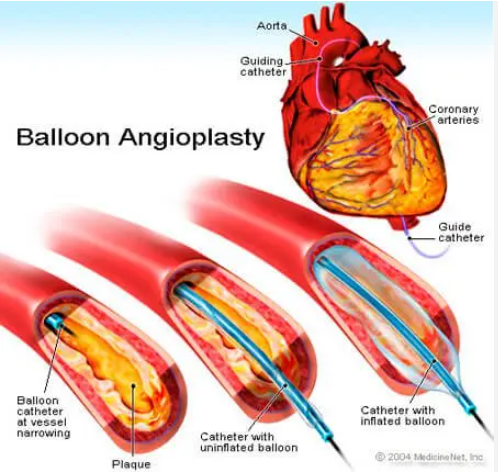
In selected patients, minimally invasive endovascular treatment may be recommended — the preferred approach at Trinity Hospital in suitable cases.
Endovascular Angioplasty & Stenting focuses on:
This method is considered when anatomy and patient condition allow, following detailed diagnostic review by Dr. Sravan C.P.S.
Other available methods depending on severity and anatomy:
Recovery after treatment:
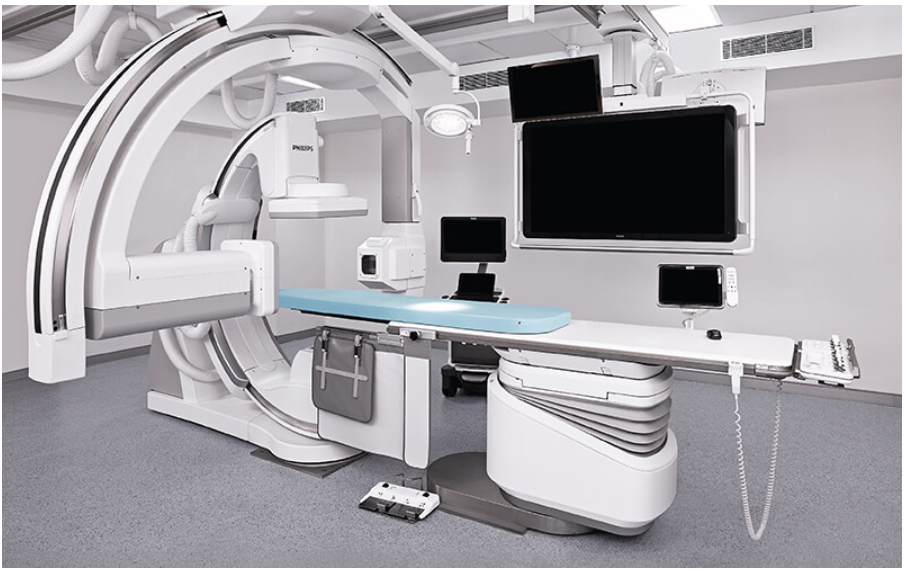
At Trinity Hospital and Heart Foundation, mesenteric artery disease evaluation and treatment are supported by advanced vascular imaging and endovascular intervention capabilities.
Facility includes:
EMI & Flexible Payment Options:
Mediclaim & Insurance Support:
Minimally invasive catheter-based treatment to widen narrowed mesenteric arteries and restore intestinal blood flow. Image-guided balloon angioplasty with stent placement to maintain artery opening. Reduced surgical trauma, shorter hospital stay, faster recovery than open surgery. Preferred at Trinity Hospital in suitable cases following detailed diagnostic review.
Direct surgical bypass of blocked mesenteric arteries using grafts. Required for complex anatomical situations not suitable for endovascular approach. Provides durable blood flow restoration in severe multi-vessel disease. Longer recovery but definitive treatment for complex blockages.
Blood-thinning medications, circulation-supporting drugs, dietary guidance, and risk-factor control. Regular imaging and symptom monitoring for progression. Appropriate when symptoms are mild, blood flow reduction limited, and no evidence of bowel damage. Close follow-up critical as progression may require intervention.
Urgent surgical intervention for bowel infarction, mesenteric rupture, or acute SMA thrombosis with tissue death. Removal of non-viable bowel, clot removal, or vascular repair. Life-saving intervention when acute mesenteric ischemia threatens survival. Choice of method depends on artery involvement, severity, and overall health.
After intervention or during medical management, regular follow-up and lifestyle modifications are essential to prevent progression and recurrence.
Post-treatment care includes:
Will lifestyle changes help?
They play an important role, especially in chronic cases — smoking cessation, diabetes control, cholesterol management, and dietary adjustments help slow disease progression and improve outcomes.

At Trinity Hospital and Heart Foundation, Basavangudi, care for mesenteric artery disease is guided by clinical judgment, not urgency or promotion. Dr. Sravan C.P.S focuses on:
What the consultation includes:
Financial support available:
If you or a family member are experiencing concerning abdominal symptoms, a specialist evaluation can help clarify the cause and next steps.
At Trinity Hospital and Heart Foundation, mesenteric artery disease evaluation and treatment are led by Dr. Sravan C.P.S with rigorous training, international fellowship experience, and a focus on early diagnosis and patient-centred vascular care.
Trinity Hospital and Heart Foundation, Bangalore
Dr. Sravan C.P.S is a highly experienced Vascular & Endovascular Surgeon serving patients in Basavangudi and across Bangalore with a deep commitment to safe, compassionate, and evidence-based care. His practice focuses on disorders of the blood vessels — arteries and veins — using both advanced minimally invasive techniques and established surgical approaches tailored to each individual's needs.
He completed rigorous training in vascular and endovascular surgery, including a fellowship at the National University Hospital, Singapore. He also served as an Assistant Professor of Vascular Surgery at the Sri Jayadeva Institute of Cardiovascular Sciences and Research, contributing to clinical care, education, and research.
In the management of mesenteric artery disease, Dr. Sravan follows a structured evaluation process that includes symptom assessment (abdominal angina, weight loss, digestive changes), imaging correlation (CT angiography, Doppler ultrasound), and discussion of both medical management and interventional options. He believes in a step-wise, non-aggressive approach — prioritising medications and monitoring when appropriate, reserving intervention for cases with clear clinical need.
For patients requiring endovascular intervention, Dr. Sravan is experienced in performing mesenteric artery angioplasty and stenting using minimally invasive, image-guided techniques designed to restore intestinal blood flow and prevent bowel infarction — with careful patient selection and post-procedure monitoring.
Dr. Sravan is known for his clear communication style, helping patients and family members understand available treatment options and limitations, expected recovery and follow-up care, and the importance of lifestyle modifications and risk factor control.
At Trinity Hospital and Heart Foundation, he works within a multidisciplinary care framework — coordinating with gastroenterology, general surgery, and intensive care specialists to ensure each patient receives evidence-based, ethical, and personalised treatment guidance.

Common questions and detailed answers about mesenteric artery disease, intestinal ischemia, symptoms, and treatment
It can be serious if untreated, especially in acute mesenteric ischemia where blood clots or severe narrowing cut off intestinal blood supply. Early diagnosis significantly reduces risks of bowel infarction and complications.
No. Many patients with superior mesenteric artery stenosis are managed with blood-thinning medications, circulation support, and monitoring. Surgery or intervention is reserved for cases with persistent symptoms or risk of bowel damage.
It refers to post-meal abdominal pain caused by reduced intestinal blood supply. Blood flow to the intestines increases after eating, and narrowed arteries cannot meet this demand — causing pain that often leads to fear of eating and weight loss.
Yes. Symptoms often resemble common digestive disorders such as gastritis, irritable bowel syndrome, or inflammatory bowel disease. Specialist evaluation with CT angiography is essential for accurate diagnosis.
Through imaging tests like CT angiography and Doppler ultrasound, combined with clinical evaluation correlating symptoms (abdominal angina, weight loss) with blood flow patterns in the mesenteric arteries.
It may lead to bowel infarction (tissue death), infection, perforation, sepsis, or require emergency surgery. Severe cases can be life-threatening without timely intervention.
Recovery is usually faster than open surgery with shorter hospital stay. However, recovery time varies by patient, extent of disease, overall health, and whether bowel damage occurred before treatment.
Yes, SMA thrombosis (blood clots in superior mesenteric artery) are treatable with timely medical or interventional care including blood thinners, catheter-based clot removal, or surgery depending on severity.
They play an important role, especially in chronic cases. Smoking cessation, diabetes control, cholesterol management, blood pressure control, and dietary adjustments help slow disease progression and improve treatment outcomes.
If you have persistent abdominal pain after eating (abdominal angina), unexplained weight loss, fear of eating due to pain, or sudden severe abdominal pain — seek specialist evaluation promptly to rule out mesenteric artery disease.
Experiencing abdominal pain after eating, unexplained weight loss, or digestive symptoms? Schedule a consultation with Dr. Sravan C.P.S at Trinity Hospital and Heart Foundation, Basavangudi Bengaluru for expert mesenteric artery disease evaluation and treatment.
+91 8040136999
trinityheartfoundation@gmail.com
Trinity Hospital and Heart Foundation, Basavangudi, Bengaluru, Karnataka
 24 Hour Emergency Aid