

A 2D Echocardiography (2D Echo) is one of the most commonly advised heart tests when doctors want a clear, real-time view of how your heart is functioning. At Trinity Hospital and Heart Foundation, Basavangudi, this test is used as a decision-making tool—not as a treatment itself, but as a way to understand heart disease causes, identify risks early, and guide the right care plan.
Patients are often anxious when advised a 2D echo. The purpose of this test is reassurance as much as diagnosis—helping doctors rule out serious conditions, understand symptoms accurately, and avoid unnecessary procedures.
Patients from Basavangudi, Jayanagar, JP Nagar, VV Puram, Banashankari, and NR Colony frequently consult for cardiac evaluation.
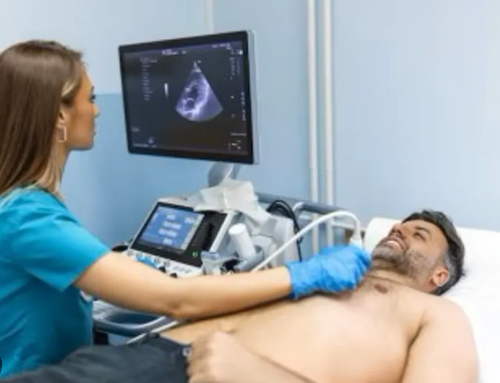
A 2D echocardiography test uses sound waves to create moving images of your heart on a screen. It allows the doctor to see:
In simple terms, it answers the patient's most common question: "Is my heart working normally?"
This test is non-invasive, painless, and does not involve radiation. It is used to precisely assess blood flow patterns and heart function, helping:
Your doctor may recommend a 2D echo test if you experience symptoms such as:
Chest discomfort or unexplained chest pain
Shortness of breath, especially on exertion
Palpitations or irregular heartbeat
Swelling in legs or ankles
Unusual fatigue or history of high blood pressure or diabetes
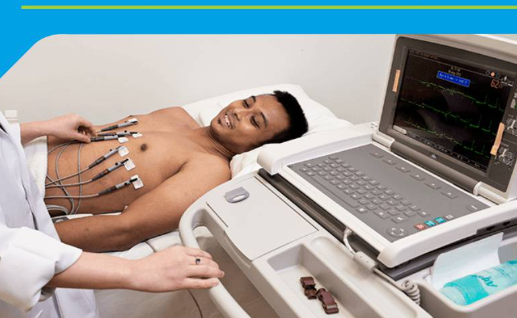
Abnormal ECG findings requiring further cardiac evaluation
A 2D echo is always interpreted in combination with clinical examination and other tests. Self-diagnosis is not advised.
A 2D echo result should always be explained by your cardiologist — not interpreted alone or from online charts.
It is important to remember that symptoms alone do not determine the need for a 2D echo. Your doctor will advise if and when the test is appropriate.
Consult a cardiologist if you experience chest discomfort, breathlessness, palpitations, or swelling, or if you have been advised a 2D echo and want a clear explanation of what the test involves and what findings mean.
Understanding what the test measures helps patients interpret their experience and results more clearly.
Heart chamber size and wall thickness — indicating enlargement or hypertrophy
Pumping strength (ejection fraction) — how efficiently the heart contracts
Valve movement — detecting narrowing (stenosis) or leakage (regurgitation)
Blood flow patterns (with Doppler) — identifying abnormal flow across valves and chambers
<strong>Does 2D echo show blockages?</strong> No. It does not directly show coronary artery blockages, but it can show effects caused by them—such as weakened heart muscle, wall motion abnormalities, or reduced ejection fraction following a heart attack.
A 2D echo does not treat heart disease — it guides treatment decisions. Depending on findings, different solutions may be considered.
In many cases, echo findings help doctors manage heart conditions using:
This conservative approach is often sufficient, especially in early-stage or stable conditions. A 2D echo helps confirm whether medical management is working effectively over time.
Interventional or surgical treatment may be considered when the echo shows:
These decisions are never made based on echo alone. Clinical symptoms, age, overall health, and patient preferences are always considered alongside imaging findings.
A 2D echocardiography is a straightforward, comfortable test that takes approximately 15–30 minutes to complete.
The process step by step:
Important notes:
Patients often search for "2D echo test price near me" or "echo test in Bangalore." At Trinity Hospital and Heart Foundation, pricing is kept transparent and aligned with clinical need.
The 2D echocardiography price depends on:
EMI Options:
Mediclaim & Insurance Coverage:
Our administrative team helps patients and families navigate insurance procedures smoothly.
The primary test providing real-time moving images of the heart's structure, chambers, and valves. Used to assess pumping function, heart size, and valve health. Non-invasive, painless, and takes 15–30 minutes.
Combines standard 2D echo with Doppler technology to assess blood flow speed and direction across heart valves and chambers. Provides detailed information on valve function, pressure gradients, and abnormal flow patterns.
An echo performed before and after exercise or medication-induced stress to assess how heart function changes under physical demand. Helps detect exercise-induced abnormalities not visible at rest.
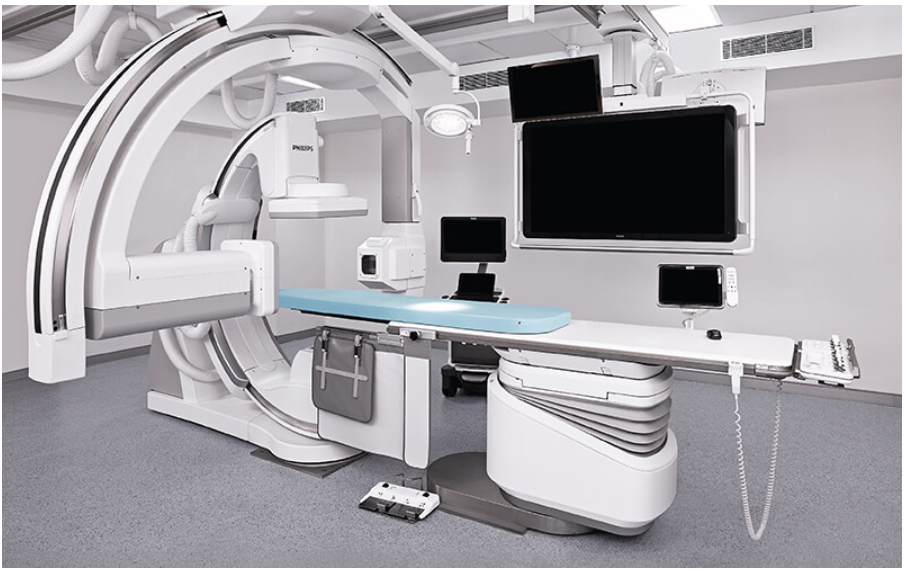
TEE uses a probe passed through the oesophagus for clearer imaging in selected cases where standard echo is limited. CT coronary angiography provides detailed coronary artery imaging. Both advised when specific clinical questions cannot be answered by standard echo alone.
After a 2D echo, the cardiologist reviews results in the context of your symptoms, history, and other test findings.
Depending on echo findings, next steps may include:
Should I repeat the test regularly?
Only if advised by your doctor—usually for monitoring known heart conditions. Not all patients need repeat testing. Your cardiologist determines the appropriate timeline based on your individual condition.

If you've been advised a 2D echocardiography test or are experiencing heart-related symptoms, consult Dr. B.G. Muralidhara at Trinity Hospital and Heart Foundation, Basavangudi, Bangalore.
The goal is not just to run a test—but to understand your heart clearly and guide you toward the right care, at the right time.
The consultation includes:
Financial support is available:
At Trinity Hospital and Heart Foundation, 2D echocardiography is part of a structured cardiac assessment process. Results are interpreted by Dr. B. G. Muralidhara in the context of each patient's symptoms, clinical history, and overall heart health.
Trinity Hospital and Heart Foundation, Bangalore
Dr. B. G. Muralidhara has extensive clinical experience of 30+ years in managing heart conditions and has been involved in the evaluation and treatment of a large number of patients with coronary artery disease, valve disorders, and heart failure.
His clinical work includes echocardiography-guided treatment planning, diagnostic angiography, and long-term cardiac care. Patients often consult him for clear explanations of echo results, second opinions, and guidance on what their findings mean for their heart health and treatment pathway.

Common questions and detailed answers about 2D echo, Doppler, echo test cost, and heart evaluation
It is done to evaluate heart function, valve health, and overall cardiac structure. It helps doctors understand symptoms, guide treatment decisions, and monitor known heart conditions.
It shows heart chamber size, pumping strength, valve movement, and blood flow patterns. With Doppler, it also assesses blood flow speed and direction across valves and chambers.
No. It does not directly show coronary artery blockages, but it can show effects caused by them — such as weakened heart muscle or reduced pumping function.
It can show damage or weakened heart muscle after a heart attack, but it does not diagnose an acute heart attack on its own. It is used alongside ECG and blood tests.
Normal ranges vary by parameter and patient profile, including age and body size. Interpretation should always be done by a cardiologist — not assessed independently.
No. It is a painless, non-invasive test. A gel is applied to the chest and a probe is gently moved over the skin. There are no needles, radiation, or discomfort involved.
Usually between 15–30 minutes.
Typically no, unless advised by your doctor for specific clinical reasons.
Costs vary based on whether Doppler is included and the clinical complexity of the evaluation. At Trinity Hospital and Heart Foundation, pricing is kept transparent. Your care team will guide you on the exact cost before the test.
Only if advised by your doctor, usually for monitoring known heart conditions. Not all patients need repeat testing — your cardiologist determines the appropriate schedule.
Experiencing chest discomfort, breathlessness, or palpitations? Schedule your 2D echocardiography and cardiac consultation at Trinity Hospital and Heart Foundation, Basavangudi Bengaluru for expert evaluation and clear answers.
+91 8040136999
trinityheartfoundation@gmail.com
Trinity Hospital and Heart Foundation, Basavangudi, Bengaluru, Karnataka
 24 Hour Emergency Aid