

When a patient continues to experience chest discomfort, breathlessness, or fatigue even after undergoing angioplasty, it can be worrying and confusing. Failed angioplasty refers to situations where a previously placed angioplasty stent does not provide lasting relief due to re-narrowing or functional issues within the treated artery.
At Trinity Hospital, Basavangudi, this condition is evaluated carefully by Dr. B.G. Muralidhara, with a focus on understanding why symptoms persist and what the safest next step should be—without rushing patients into repeat procedures.
This treatment pathway exists to help patients regain symptom control, confidence, and heart health through the right intervention at the right time.
Patients from Basavangudi, Jayanagar, JP Nagar, VV Puram, Banashankari, and NR Colony frequently consult for cardiac evaluation.
Failed angioplasty does not always mean that the original procedure was unsuccessful. In many cases, it occurs due to a medical condition called in-stent restenosis, where scar tissue or plaque gradually builds up inside the stent, limiting blood flow again.
The goal of failed angioplasty treatment is to:
Each case is approached individually, as not all patients with prior angioplasty require another procedure. The emphasis is on understanding the specific situation before recommending treatment.
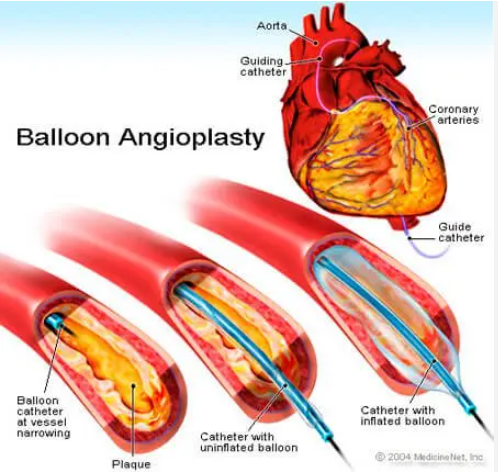
Symptoms after angioplasty can vary widely from person to person. Some warning signs that may require evaluation include:
Angina symptoms, such as chest tightness or pressure
Angina pectoris that returns after initial improvement
Chest pain on breathing or exertion
Chest pain with burping, often confused with gastric issues
Shortness of breath symptoms, especially on walking or climbing stairs
Shortness of breath in sleep or sudden nighttime breathlessness
Unusual fatigue or reduced exercise tolerance
These symptoms may indicate in-stent restenosis where narrowing develops inside the angioplasty stent over time.
Any recurring symptoms should be evaluated by a cardiologist.
It is important to remember that symptoms alone do not confirm stent failure. Proper diagnosis is essential.
You should seek consultation if you experience recurring chest pain, angina symptoms, breathlessness, night-time shortness of breath, or persistent fatigue after angioplasty.
Failed angioplasty can occur due to various factors that cause re-narrowing within the treated artery.
Scar tissue or neointimal hyperplasia inside the stent
Plaque buildup continuing despite stent placement
Stent underexpansion or positioning issues
Risk factors like diabetes, smoking, or uncontrolled cholesterol
Understanding the specific cause of stent failure helps guide appropriate treatment decisions and long-term management strategies.
Management of failed angioplasty always begins with careful evaluation, not automatic intervention.
In many patients, symptoms can be controlled without further procedures. This may include:
This approach is suitable when artery narrowing is mild or symptoms are stable. Many patients asking about angina symptoms or shortness of breath symptoms can be managed conservatively.
Interventional treatment is considered only when:
The decision is made collaboratively, explaining benefits, limitations, and alternatives clearly to the patient and family. This ensures informed decision-making without unnecessary urgency.
At Trinity Hospital, suitable cases are managed using imaging-guided angioplasty techniques.
Primary Method: Imaging-Guided Repeat Angioplasty
This allows the cardiologist to:
Other Available Methods:
Depending on individual findings, alternatives may include:
The choice of method depends on artery condition, prior stent type, overall heart health, and patient-specific risk factors. This approach prioritizes accuracy, vessel safety, and informed decision-making, especially in previously treated arteries.
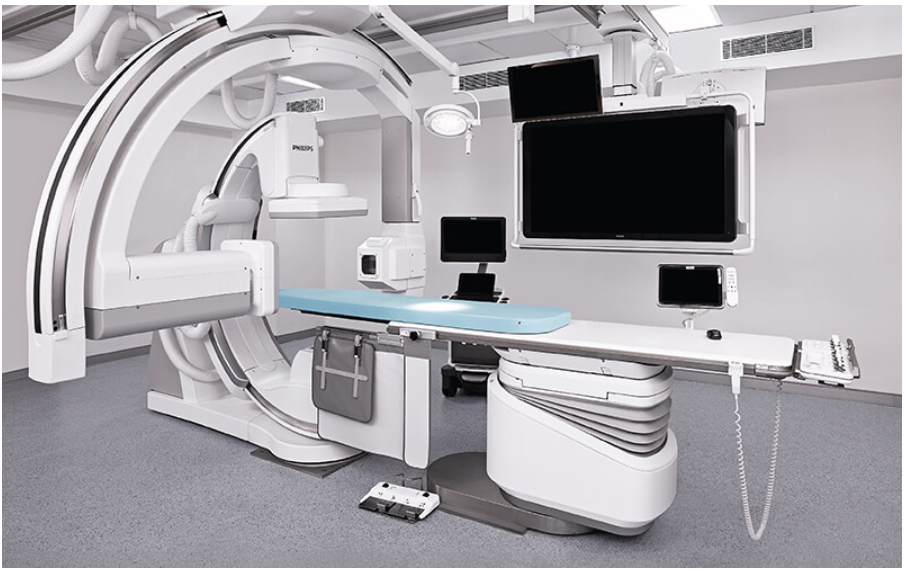
Failed angioplasty evaluation and treatment requires specialized cardiac facilities with advanced imaging capabilities.
The facility includes:
At Trinity Hospital and Heart Foundation, comprehensive evaluation of stent failure cases includes review of previous angioplasty reports, symptom-focused assessment, and imaging-guided treatment when intervention is appropriate.
Ignoring recurring symptoms after angioplasty can delay proper care. Early evaluation helps prevent further deterioration and complications.
Proper assessment and treatment planning can prevent unnecessary emergency room visits and hospitalizations by addressing the underlying cause.
Understanding whether symptoms are due to stent failure, new blockages, or other causes allows for targeted treatment that provides sustained relief.
Comprehensive evaluation and appropriate treatment help patients return to normal activities with confidence, knowing their heart condition is properly managed.
Recovery depends on the treatment approach chosen after comprehensive evaluation.
For medication management:
For repeat intervention:
The goal is sustained symptom relief and prevention of further complications through appropriate long-term management.

Patients seeking evaluation for stent failure symptoms are guided through a comprehensive assessment process.
The evaluation includes:
How is in-stent restenosis diagnosed?
The goal is to understand the cause before deciding on treatment. The aim is to help patients make informed decisions with confidence, not to rush into procedures.
At Trinity Hospital, assessments focus on clarity, explanation, and shared decision-making, not urgency or fear.
At Trinity Hospital, Basavangudi, failed angioplasty and stent-related concerns are evaluated by Dr. B.G. Muralidhara, with a focus on careful assessment, patient education, and choosing the safest appropriate treatment.
Trinity Hospital and Heart Foundation, Bangalore
Dr. B. G. Muralidhara has extensive clinical experience of 30+ years in managing heart conditions and has been involved in the evaluation and treatment of a large number of patients with coronary artery disease including complex cases of stent failure.
His clinical work includes diagnostic angiography, angioplasty procedures, and long-term cardiac care planning. Patients often consult him for clear explanations, second opinions, and guidance on whether repeat angioplasty is necessary or if medical management is sufficient.

Common questions and detailed answers about stent failure and treatment options
Failed angioplasty means that a previously treated heart artery is no longer allowing enough blood flow. This may happen due to in-stent restenosis, where narrowing develops inside the angioplasty stent over time. It does not always mean the original procedure was done incorrectly.
Yes. Stent-related problems can occur months or even years later. Symptoms may return gradually, which is why long-term follow-up and symptom awareness are important after angioplasty.
Symptoms can include angina symptoms such as chest pressure or tightness, shortness of breath especially on exertion or during sleep, chest pain on breathing or physical activity, and reduced exercise tolerance or unusual fatigue.
Chest pain with burping is often mistaken for acidity, but in some patients, heart-related pain can feel similar. If this symptom occurs repeatedly or with exertion, medical evaluation is recommended to rule out angina pectoris.
No. Many patients can be managed with medication optimization and monitoring. Repeat intervention is considered only when symptoms persist or tests show significant blood flow restriction.
Diagnosis usually involves clinical symptom assessment, non-invasive cardiac tests, and coronary imaging or angiography when needed. The goal is to understand the cause before deciding on treatment.
In suitable patients, imaging-guided repeat angioplasty can be performed safely. The decision depends on artery condition, stent type, overall heart health, and patient-specific risks.
Treatment may include medication and lifestyle management, drug-coated balloon angioplasty, additional stenting in selected cases, or surgical bypass referral in complex disease. The choice is individualized.
You should seek consultation if you experience recurring chest pain or angina symptoms, breathlessness that is new or worsening, night-time shortness of breath, or persistent fatigue. Early evaluation helps prevent complications.
At Trinity Hospital, Basavangudi, failed angioplasty and stent-related concerns are evaluated by Dr. B.G. Muralidhara, with a focus on careful assessment and choosing the safest appropriate treatment.
If you're experiencing symptoms after previous angioplasty or have concerns about stent failure, consult with Dr. B.G. Muralidhara at Trinity Hospital, Basavangudi Bengaluru for comprehensive evaluation.
+91 8040136999
trinityheartfoundation@gmail.com
Trinity Hospital and Heart Foundation, Basavangudi, Bengaluru, Karnataka
 24 Hour Emergency Aid