

Leg pain, numbness, or discomfort while walking or resting—especially at night—can sometimes indicate reduced blood flow to the legs. These symptoms are often confusing and worrying for patients and families, particularly when they persist or worsen over time.
Peripheral angiogram and leg angioplasty are medical solutions designed to identify and manage blood flow problems in the leg arteries. At Trinity Hospital, Basavangudi, Bangalore, these treatments are approached carefully—starting with accurate diagnosis, symptom correlation, and only proceeding to intervention when clearly required.
Patients from Jayanagar, JP Nagar, VV Puram, Banashankari, and NR Colony frequently visit for vascular evaluation.
A peripheral angiogram is a diagnostic test used to visualize blood flow in the leg arteries. It helps doctors understand whether narrowed or blocked blood vessels are contributing to symptoms such as pain, numbness, or weakness.
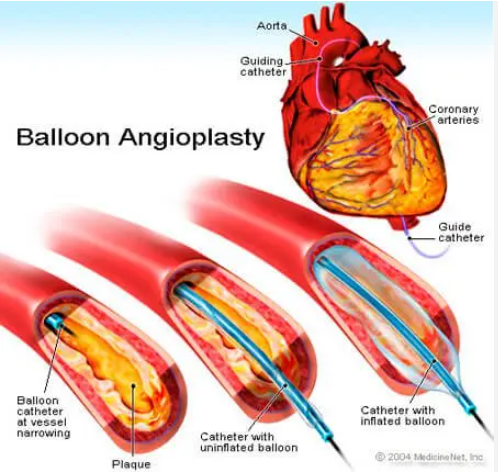
If significant blockage is identified and symptoms are affecting daily life, peripheral angioplasty may be considered. This is a minimally invasive procedure aimed at improving blood circulation in the legs.
The goals of treatment are to:
These treatments are commonly part of vascular surgical care, but they are not recommended for every patient. The decision is always based on symptoms, imaging findings, and overall health status.
Patients may be advised to undergo further vascular evaluation if they experience:
Persistent leg pain while walking or climbing stairs (claudication)
Leg pain at night, especially when lying down
Numbness in leg after sitting or with activity
Coldness or color changes in foot or toes
Delayed wound healing or foot ulcers
Reduced walking distance due to leg discomfort
Many patients ask about what is numbness in leg, why leg pain occurs, and the numbness in leg reason.
Professional vascular evaluation is necessary for proper diagnosis.
It is important to remember that symptoms alone do not confirm the need for angioplasty. Proper diagnosis is essential.
You should consult a specialist if you experience persistent leg pain, numbness, non-healing wounds, walking limitations, or night pain affecting sleep.
Reduced blood flow in leg arteries can result from various causes that lead to arterial narrowing or blockage.
Atherosclerosis (plaque buildup in arteries)
Diabetes affecting blood vessel health
Smoking causing vascular damage
High blood pressure and cholesterol
Understanding the cause helps guide appropriate treatment, whether medical management, angioplasty, or surgical intervention.
Management is always individualized. Not all patients require procedures.
For early or mild vascular conditions, treatment may include:
In many cases, symptoms like numbness in leg reason or mild pain improve with medical management alone. Patients often ask how to stop numbness in legs and feet—treatment depends on identifying and addressing the underlying cause.
When symptoms persist despite conservative care—or when blood flow reduction is significant—interventional treatment may be discussed.
This is typically considered when:
The goal is symptom relief and limb preservation, not urgency-based intervention.
At Trinity Hospital, an angiogram for legs is used to guide treatment decisions accurately.
The diagnostic angiogram:
When angioplasty is indicated, this method allows:
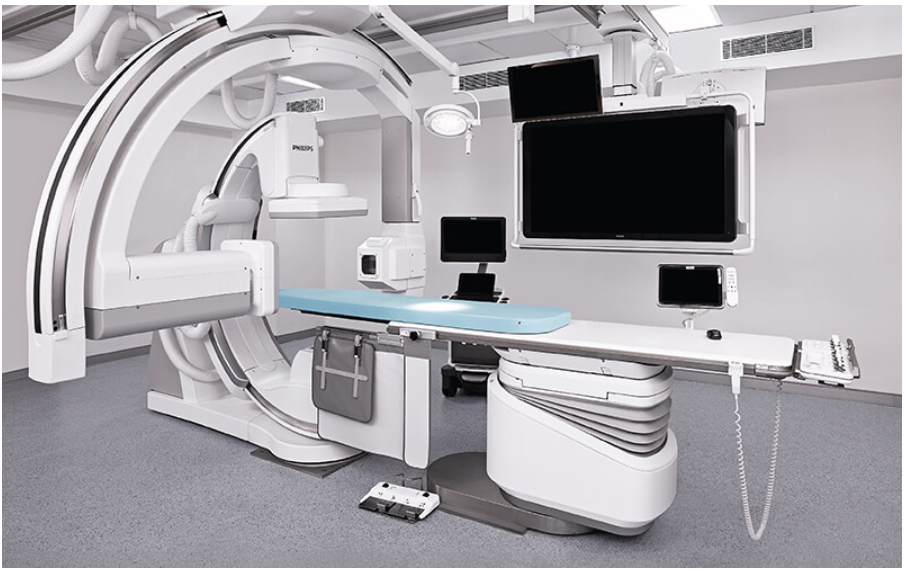
The procedure is performed in a specialized vascular catheterization laboratory under imaging guidance.
Peripheral angiogram and leg angioplasty procedures are performed in a specialized vascular catheterization laboratory.
The facility includes:
At Trinity Hospital and Heart Foundation, vascular procedures are performed with precision imaging guidance to ensure accurate diagnosis and targeted treatment when intervention is appropriate.
At Trinity Hospital, angiogram for legs guides accurate treatment decisions. When angioplasty is indicated, this minimally invasive approach allows precise identification of narrowed arteries, targeted treatment with minimal disruption, faster recovery compared to open surgery, and reduced hospital stay.
For patients with early or stable disease, comprehensive medical management including medications, lifestyle modifications, smoking cessation, and structured walking programs may be sufficient. Regular monitoring ensures timely intervention if needed.
In advanced or complex cases where angioplasty is not suitable, open vascular surgery (bypass grafting or endarterectomy) may be recommended. This provides durable results for severe arterial disease.
Combining different techniques—such as surgical bypass with endovascular treatment—may be used for complex vascular patterns. The approach is individualized based on arterial anatomy and disease extent.
Recovery after peripheral angioplasty is typically faster than open vascular surgery.
Recovery typically includes:
Most patients notice improvement in walking distance and reduction in leg pain as blood flow improves. Follow-up care ensures sustained benefit and early detection of any recurrence.

After peripheral angioplasty, comprehensive follow-up care ensures sustained improvement and vascular health.
Post-procedure care includes:
The goal is to maintain improved blood flow, prevent disease progression, and preserve limb health through ongoing medical management and lifestyle modifications.
Dr. B. G. Muralidhara is associated with the cardiology and vascular services at Trinity Hospital and Heart Foundation. He evaluates patients with peripheral vascular disease and determines appropriate treatment approaches.
Trinity Hospital and Heart Foundation, Bangalore
Dr. B. G. Muralidhara has extensive clinical experience of 30+ years in managing cardiovascular and vascular conditions and has been involved in the evaluation and treatment of patients with peripheral arterial disease.
His clinical work includes diagnostic angiography, peripheral angioplasty procedures, and long-term vascular care planning. Patients often consult him for clear explanations, second opinions, and guidance on whether angioplasty is necessary or if medical management is sufficient.

Trinity Hospital provides comprehensive vascular care with a patient-centered approach:
The emphasis is on accurate diagnosis, appropriate treatment selection, and long-term vascular health—not rushing patients into unnecessary procedures.
Common questions and detailed answers about peripheral vascular treatment
Leg pain can occur due to reduced blood flow, nerve issues, or muscle fatigue. Vascular causes are evaluated when pain worsens with walking.
Night pain may indicate advanced circulation problems, especially if relief comes when sitting or dangling the leg.
It can be due to nerve compression, diabetes, or poor blood supply. A detailed evaluation is required.
Not always. Temporary numbness may be posture-related, but persistent symptoms should be assessed.
Treatment depends on the cause—this may include medication, lifestyle changes, or vascular treatment.
It helps doctors visualize blood flow in the leg arteries to identify blockages or narrowing.
It is generally well tolerated and performed under local anesthesia with monitoring.
When blood flow is significantly reduced and symptoms affect daily activities or limb health.
It is considered minimally invasive compared to open surgery, but suitability varies by patient.
Patients with persistent leg pain, numbness, non-healing wounds, or walking limitations should seek evaluation.
If you're experiencing leg pain, numbness, or circulation problems, consult with our experienced vascular team at Trinity Hospital, Basavangudi Bengaluru for comprehensive evaluation.
+91 8040136999
trinityheartfoundation@gmail.com
Trinity Hospital and Heart Foundation, Basavangudi, Bengaluru, Karnataka
 24 Hour Emergency Aid