

Balloon valvuloplasty is a minimally invasive heart valve procedure used to improve blood flow in patients with narrowed heart valves. At Trinity Hospital, Basavangudi, this treatment is offered to carefully selected patients under the clinical guidance of Dr. B. G. Muralidhara, focusing on symptom relief, heart function improvement, and quality of life.
Many patients experience symptoms like breathlessness, fatigue, or chest discomfort without fully understanding the cause. Balloon valvuloplasty exists to address valve narrowing (stenosis) in situations where medication alone is not sufficient and open-heart surgery may not be immediately required.
Patients from Jayanagar, JP Nagar, VV Puram, Banashankari, and NR Colony frequently visit for cardiac evaluation.
Balloon valvuloplasty is a minimally invasive cardiac intervention designed to improve blood flow in patients with narrowed heart valves, a condition known as valvular stenosis. The procedure involves inserting a thin catheter with a balloon at its tip through a blood vessel and guiding it to the affected heart valve. Once positioned, the balloon is carefully inflated to widen the narrowed valve opening, allowing blood to flow more freely and reducing strain on the heart.
At Trinity Hospital, Basavangudi, balloon valvuloplasty is offered to carefully selected patients under the clinical supervision of Dr. B. G. Muralidhara. The treatment approach emphasizes accurate diagnosis, patient safety, and individualized care.
This procedure is particularly beneficial for patients who experience symptoms such as breathlessness, fatigue, dizziness, or chest discomfort, especially when these symptoms persist despite medical therapy.
Balloon valvuloplasty is often considered when medications alone are insufficient and when open-heart surgery is not immediately required or poses higher risk. The procedure typically involves shorter hospital stays, faster recovery, and fewer complications compared to surgical valve replacement. By improving valve function and overall cardiac efficiency, balloon valvuloplasty aims to relieve symptoms, enhance heart performance, and significantly improve the patient's quality of life.
Balloon valvuloplasty is an interventional cardiology procedure designed to widen a narrowed heart valve. When a valve becomes stiff or tight, the heart must work harder to pump blood, which can gradually lead to worsening symptoms.
Using specialized aortic valvuloplasty balloons, doctors gently stretch the valve opening to improve blood flow. The intent of this treatment is symptom relief and functional improvement, not valve replacement.
This treatment may be used as:
Patients from Basavangudi, Jayanagar, JP Nagar, VV Puram, Banashankari, and NR Colony frequently consult the cardiology team here for evaluation, angiography, and guidance on whether intervention is required.
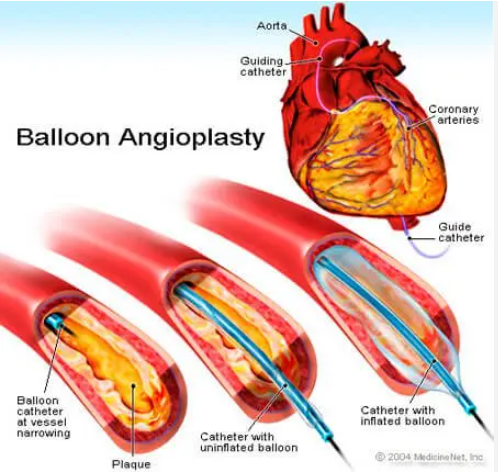
Symptoms vary from person to person and depend on the valve involved and severity of narrowing. Patients considered for balloon valvuloplasty procedure often report:
Shortness of breath during activity or rest
Chest discomfort or pressure
Dizziness or fainting episodes
Fatigue or reduced exercise tolerance
Heart murmurs (such as aortic stenosis murmur) detected during examination
These symptoms can overlap with other heart conditions. A cardiologist's evaluation is essential before drawing conclusions or considering treatment.
Professional cardiac evaluation is necessary for proper diagnosis.
It is important to remember that symptoms alone do not confirm the need for balloon valvuloplasty. Proper diagnosis is essential.
You should consult a cardiologist if you experience persistent breathlessness, chest discomfort, dizziness, fainting episodes, or reduced exercise tolerance affecting daily life.
Many patients ask what stenosis means and what causes stenosis. In simple terms, stenosis in the heart refers to narrowing of a valve.
Aging and calcium buildup on valve leaflets
Rheumatic heart disease from prior infections
Congenital valve abnormalities present from birth
Degenerative changes over time
Over time, this narrowing restricts blood flow and increases strain on the heart muscle. Proper evaluation determines the severity and appropriate treatment approach.
Management of valve stenosis is individualized. Treatment decisions are based on symptom severity, valve anatomy, age, and overall health.
In early or mild cases, treatment may involve:
While medications do not correct valve narrowing, they may help control symptoms and delay intervention under close medical supervision.
When symptoms progress or valve narrowing becomes significant, interventional or surgical options may be considered. These include:
The goal is always to restore safe blood flow while minimizing risk. The choice is determined jointly by the cardiologist, patient, and family after understanding benefits, limitations, and long-term considerations.
At Trinity Hospital, balloon aortic valvuloplasty and mitral valve balloon valvuloplasty are performed in carefully selected patients where valve anatomy and clinical condition are suitable.
The procedure involves:
This approach may be preferred because:
The procedure is performed in a controlled cardiac catheterization setting, with continuous imaging and monitoring for patient safety.
Balloon valvuloplasty procedures are performed in a specialized cardiac catheterization laboratory equipped with advanced imaging and interventional capabilities.
The facility includes:
At Trinity Hospital and Heart Foundation, the procedure is performed by trained interventional cardiologists with continuous imaging guidance to ensure accurate balloon positioning and safe valve dilation.
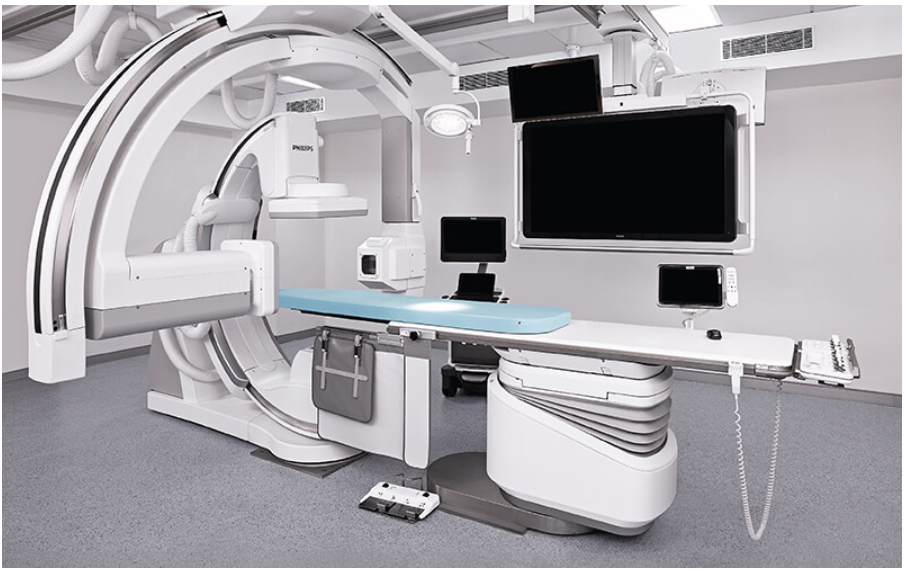
At Trinity Hospital, balloon aortic valvuloplasty and mitral valve balloon valvuloplasty are performed in carefully selected patients. This approach avoids open-heart surgery, involves smaller access points, shorter hospital stay, and quicker recovery time compared to surgical alternatives.
For patients with severe valve damage or unsuitable anatomy for balloon valvuloplasty, surgical valve repair or replacement may be recommended. This provides a more definitive long-term solution.
Advanced catheter-based valve replacement techniques (such as TAVR for aortic stenosis) may be considered in selected patients as an alternative to both balloon valvuloplasty and surgical valve replacement.
For patients with mild stenosis or those not yet candidates for intervention, continued medical management with close monitoring and symptom control is the appropriate approach.
Recovery after treatment for heart valve stenosis is often quicker than many patients expect, especially with modern minimally invasive approaches.
Recovery typically includes:
Balloon valvuloplasty recovery time is generally quicker than surgical alternatives, allowing patients to get back to their jobs and everyday responsibilities with minimal disruption.

After balloon valvuloplasty, regular follow-up care ensures optimal results and monitors for any progression of valve disease.
Post-procedure care includes:
Long-term considerations:
The cardiac team provides ongoing support to maintain optimal heart health after the procedure.
Dr. B. G. Muralidhara is associated with the cardiology services at Trinity Hospital and Heart Foundation. He evaluates patients for valve stenosis and determines the most appropriate treatment approach.
Trinity Hospital and Heart Foundation, Bangalore
Dr. B. G. Muralidhara has extensive clinical experience of 30+ years in managing heart conditions and has been involved in the evaluation and treatment of a large number of patients with coronary artery disease and valve disorders.
His clinical work includes diagnostic angiography, interventional procedures, and long-term cardiac care planning. Patients often consult him for clear explanations, second opinions, and guidance on whether balloon valvuloplasty, surgical intervention, or medical management is most appropriate.

Common questions and detailed answers about balloon valvuloplasty procedures
It is used to treat narrowed heart valves by improving blood flow and reducing symptoms.
In some patients it provides long-term relief, while in others it serves as a temporary or bridging treatment.
It is a minimally invasive intervention to widen a narrowed aortic valve using a balloon catheter.
Recovery is usually quicker than open-heart surgery, with many patients resuming normal activity within days, depending on health status.
Yes, it targets the mitral valve and is used when mitral stenosis is present.
Common causes include aging, calcium deposits, rheumatic heart disease, and congenital valve defects.
They are clinically approved devices used under imaging guidance by trained cardiologists.
Not always. Some patients may need further treatment later, depending on disease progression.
No. Some patients remain asymptomatic for years and are diagnosed during routine evaluation.
A cardiologist evaluates your symptoms, imaging results, and overall health before recommending treatment.
If you're experiencing symptoms of valve stenosis or have been diagnosed with a narrowed heart valve, consult with our experienced cardiology team at Trinity Hospital, Basavangudi Bengaluru.
+91 8040136999
trinityheartfoundation@gmail.com
Trinity Hospital and Heart Foundation, Basavangudi, Bengaluru, Karnataka
 24 Hour Emergency Aid