

Heart valve conditions can quietly affect how efficiently the heart pumps blood, often progressing before symptoms feel serious. Valve repair or valve replacement is a treatment approach designed to restore normal blood flow when one or more heart valves do not open or close properly.
At Trinity Hospital, Basavangudi, Bangalore, this treatment is evaluated carefully under the guidance of Dr. B. G. Muralidhara, ensuring that every patient receives a recommendation based on medical need—not urgency or assumptions.
Many patients come with concerns like fatigue, breathlessness, or irregular heartbeats, unsure whether surgery is necessary. This page aims to clarify those doubts and explain available options calmly and clearly.
Patients from Jayanagar, JP Nagar, VV Puram, Banashankari, and NR Colony frequently consult for cardiac evaluation.
Heart valve replacement or repair focuses on correcting damaged or diseased heart valves that regulate blood flow through the heart. When a valve becomes narrowed, stiff, or leaky, the heart must work harder to pump blood, which can affect overall health over time.
The goal of heart valve surgery is not simply to replace a valve, but to:
In some cases, repairing the existing valve is possible; in others, valve replacement may be recommended after thorough evaluation.
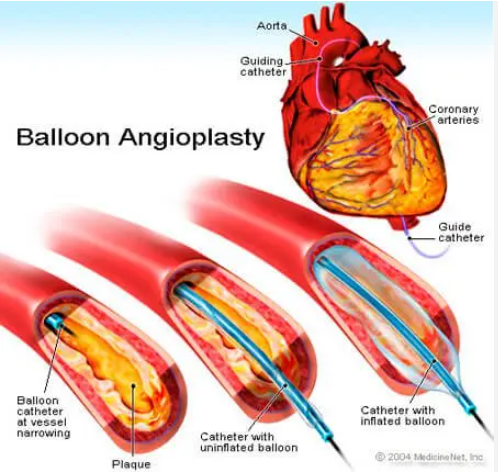
Heart valve problems can present differently in each individual. Some people experience symptoms early, while others notice changes gradually. Common symptoms include:
Shortness of breath during activity or rest
Unusual fatigue or reduced exercise tolerance
Chest discomfort or pressure
Swelling in the ankles or feet
Dizziness or fainting episodes
Sensations of skipped or rapid heartbeats
Many patients ask how heart palpitations feel like, what causes heart palpitations, or how long heart palpitations last.
These sensations require professional cardiac evaluation for proper diagnosis.
It is important to remember that symptoms alone do not confirm the need for valve surgery. Proper diagnosis is essential.
You should consult a cardiologist if you experience breathlessness, fatigue, chest discomfort, swelling, dizziness, or ongoing heart palpitations that affect daily life.
Heart valves regulate blood flow through the heart chambers. When damaged, they can affect the heart's ability to pump blood efficiently.
Valve stenosis (narrowing that restricts blood flow)
Valve regurgitation (leaky valve allowing backward flow)
Congenital valve defects or age-related degeneration
Rheumatic fever, infection, or heart attack damage
Proper diagnostic evaluation determines the extent of valve damage and the most appropriate treatment approach for each patient.
Treatment decisions for valve conditions are always individualized. Surgery is not the first step for every patient.
In early or stable valve disease, symptoms may be managed through:
Patients often ask how to stop heart palpitations, which may sometimes be managed with medication rather than surgery. Ongoing follow-up helps determine whether the condition remains stable or progresses.
When valve damage becomes severe or symptoms interfere with daily life, valve repair or valve replacement surgery may be considered. This recommendation is based on:
Surgical or minimally invasive options are discussed in detail only after diagnostic confirmation, ensuring patients and families understand both benefits and limitations.
At Trinity Hospital, suitable patients may be evaluated for advanced valve repair or replacement approaches that prioritize accurate valve assessment, careful selection between repair and replacement, and structured post-procedure recovery planning.
Valve Repair:
Valve Replacement:
In select cases, valve replacement surgery through the groin (catheter-based techniques) may be considered, especially for patients who are not ideal candidates for open surgery. This approach can support shorter recovery periods when medically appropriate.
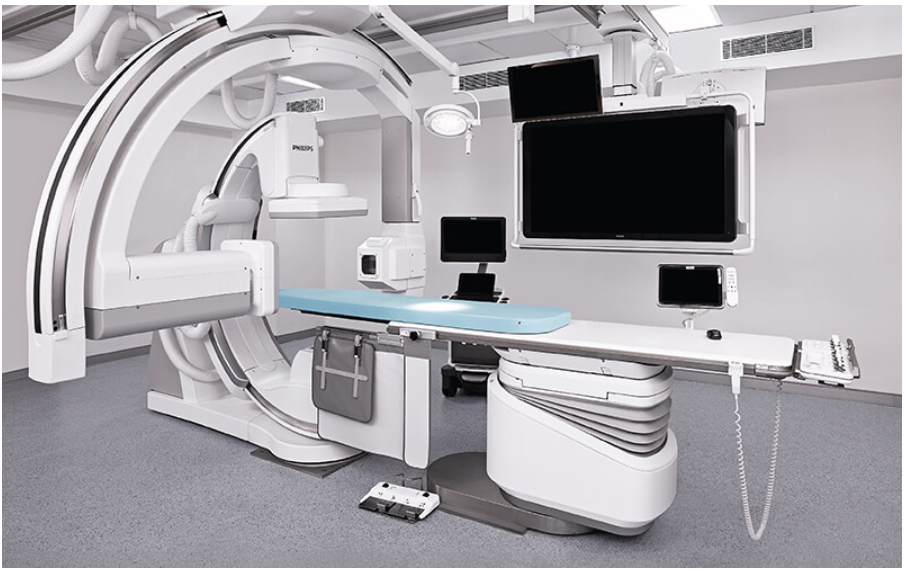
Heart valve procedures are performed in a specialized cardiac surgery operating room with comprehensive support systems.
The surgical facility includes:
At Trinity Hospital and Heart Foundation, comprehensive pre-operative evaluation, skilled surgical care, and structured post-operative management ensure patient safety and optimal outcomes.
The traditional approach for valve repair or replacement, providing direct access to the heart valves. Suitable for most valve conditions and allows for repair or replacement of single or multiple valves.
In select cases, valve replacement surgery through the groin (catheter-based techniques such as TAVR) may be considered, especially for patients who are not ideal candidates for open surgery. This approach can support shorter recovery periods when medically appropriate.
Specialized techniques for the mitral valve, with preference for repair when anatomically possible. The choice between mechanical or tissue valve replacement depends on age, lifestyle considerations, and long-term medication needs.
Recovery for valve replacement surgery varies by procedure type and individual health. Most patients gradually resume normal activities under medical supervision.
Recovery emphasis includes:
Questions about valve replacement cost and recovery timelines are addressed transparently during consultation, allowing families to plan confidently.

After valve repair or replacement surgery, comprehensive follow-up care ensures optimal recovery and long-term valve function.
Post-surgery care includes:
The cardiac team provides ongoing support to ensure patients understand their care plan and feel confident about their long-term cardiac health.
Dr. B. G. Muralidhara is associated with the cardiology services at Trinity Hospital and Heart Foundation. His clinical work includes comprehensive cardiac evaluation and guidance on valve conditions and treatment options.
Trinity Hospital and Heart Foundation, Bangalore
Dr. B. G. Muralidhara has extensive clinical experience of 30+ years in managing heart conditions and has been involved in the evaluation and treatment of a large number of patients with various cardiac disorders including valve disease.
Patients often consult him for clear explanations, second opinions, and guidance on whether valve surgery is necessary or if medical management is sufficient.

Common questions and detailed answers about heart valve surgery
Heart valve replacement is a treatment to correct damaged heart valves so blood flows properly and the heart works more efficiently.
The need depends on symptoms, scan findings, and heart function. A cardiologist evaluates whether monitoring, medication, or surgery is required.
Breathlessness, fatigue, chest discomfort, swelling in legs, or ongoing heart palpitations may indicate a valve issue and need evaluation.
Palpitations may feel like fluttering, pounding, or skipped beats. They can vary in intensity and may or may not be related to valve disease.
Yes. Mild or stable valve conditions may be managed with medications, lifestyle changes, and regular monitoring under medical guidance.
Surgery is considered when valve damage affects heart function or daily activities, or when symptoms continue despite medical treatment.
It is a minimally invasive option where the valve is replaced using a catheter, often considered for selected patients after detailed evaluation.
Recovery varies by procedure and health status. Most patients improve gradually with supervised rehabilitation and follow-up care.
There is no fixed age. Valve replacement may be needed in younger or older patients depending on valve condition and overall health.
Valve replacement cost varies based on valve type, technique, hospital stay, and care needs. Detailed estimates are shared during consultation.
If you're experiencing symptoms that may indicate a heart valve problem, consult with our experienced cardiac team at Trinity Hospital, Basavangudi Bengaluru for comprehensive evaluation.
+91 8040136999
trinityheartfoundation@gmail.com
Trinity Hospital and Heart Foundation, Basavangudi, Bengaluru, Karnataka
 24 Hour Emergency Aid