
Chest discomfort, unexplained breathlessness, fatigue, or changes in heart rate can naturally cause anxiety—for both patients and families. The Treadmill Test (TMT) is a commonly advised, non-invasive cardiac evaluation that helps doctors understand how the heart responds to physical stress.
At Trinity Hospital and Heart Foundation, Basavangudi, the TMT is used as a diagnostic and decision-support tool, not as a standalone verdict. Under the guidance of Dr. B.G. Muralidhara, the focus is on clarity, safety, and appropriate next steps—whether that means reassurance, medical management, or further evaluation.
Patients from Basavangudi, Jayanagar, JP Nagar, VV Puram, Banashankari, and NR Colony frequently consult for cardiac evaluation.
A Treadmill Exercise Test, also known as a cardiac stress test, assesses how well the heart functions when it is made to work harder.
During the test, the patient walks on a treadmill while heart rate, blood pressure, and ECG patterns are continuously monitored. As physical activity increases, the heart requires more oxygen. If there are underlying blood flow limitations or rhythm abnormalities, they may become more apparent during exertion than at rest.
The test helps doctors answer important questions:
A TMT may be advised if a patient experiences one or more of the following:
Chest pain or tightness during activity
Shortness of breath on exertion
Unusual or early fatigue and reduced exercise tolerance
Palpitations or irregular heartbeat during or after activity
Dizziness or near-fainting episodes during exertion
Evaluation after abnormal ECG findings or monitoring of known heart conditions
Symptoms can vary widely between individuals. A treadmill test indication is determined only after clinical evaluation.
A treadmill test indication is determined only after clinical evaluation — patients are advised not to request the test without a doctor's recommendation.
It is important to remember that the TMT is a decision-support tool. Results are always interpreted in the context of clinical findings.
Consult a cardiologist if you experience chest pain, breathlessness, or palpitations during activity, or if you have been advised a TMT elsewhere and want a clear explanation of what the test involves and what it can and cannot detect.
Understanding what the TMT measures helps patients prepare and interpret their experience during the test.
Heart rate response — whether it rises appropriately and recovers normally after exercise
ECG changes during exertion — detecting exercise-induced rhythm or blood flow abnormalities
Blood pressure response — how the heart manages increased demand during physical activity
Symptom correlation — whether chest pain, breathlessness, or dizziness occurs during the test
<strong>Will stress test show heart blockage?</strong> A stress test may suggest reduced blood flow to the heart but does not directly visualize blockages. If significant concern is identified, further imaging tests or coronary evaluation may be advised.
The treadmill test itself is not a treatment — it is a tool that helps guide appropriate care. Based on TMT findings, doctors may recommend different paths.
In many cases, TMT results support non-surgical approaches, such as:
If the heartbeat increases during the treadmill test in a predictable and controlled way, it often reassures both patient and doctor that the heart is functioning within an acceptable range. Many patients receive reassurance rather than a recommendation for further intervention.
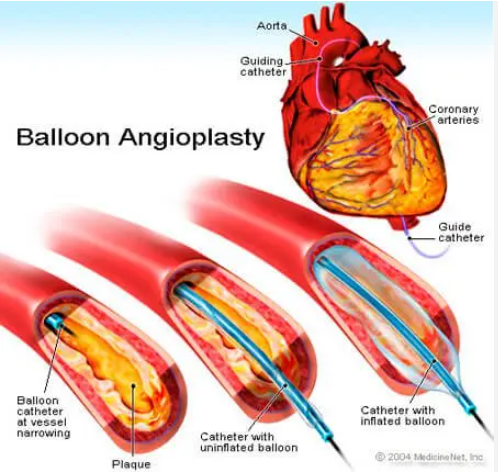
If the stress test suggests significant concern—such as reduced blood supply to the heart—further investigations may be advised:
Surgical or interventional procedures are considered only when clinically necessary, and always after discussion of risks, benefits, and alternatives. TMT findings alone do not determine the need for surgery.
At Trinity Hospital and Heart Foundation, TMT is integrated into a step-wise cardiac evaluation pathway with continuous supervision by experienced cardiology teams.
The TMT procedure step by step:
Treadmill test time: Most tests last about 15–20 minutes, including preparation and recovery monitoring.
The approach emphasises accurate patient selection, careful interpretation rather than automated reporting, and clinical correlation with symptoms and history.
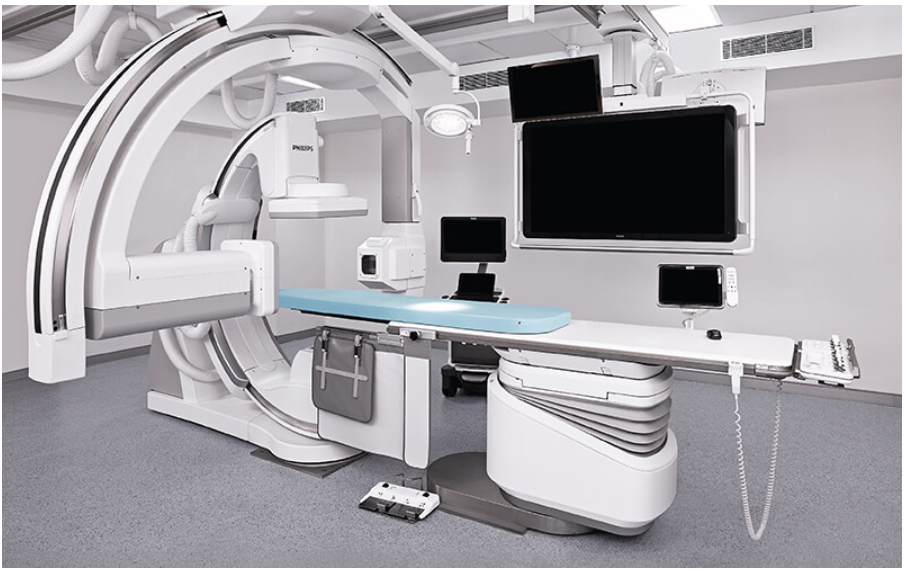
The TMT at Trinity Hospital and Heart Foundation is performed in a supervised cardiac evaluation environment with continuous monitoring.
Facility includes:
Stress test price & transparency:
EMI & Flexible Payment Options:
Mediclaim & Insurance Support:
The most commonly used cardiac stress test when a patient can walk and exercise safely. Monitors heart rate, ECG, and blood pressure during increasing physical exertion. Provides direct symptom correlation and is non-invasive with immediate clinical interpretation.
Used when a patient is unable to exercise adequately on a treadmill due to orthopaedic, respiratory, or other limitations. Medication is used to mimic the heart's stress response. Allows stress testing in patients who cannot perform physical exercise.
Combines treadmill or pharmacological stress with echocardiography imaging to assess wall motion and heart function under stress. Provides more detailed information on blood flow limitations compared to ECG-based stress testing alone.
Nuclear stress testing or CT coronary angiography may be advised when TMT findings are inconclusive or when more detailed coronary anatomy is required. The difference between load testing and stress testing is explained during consultation to ensure patients understand why a specific method is chosen.
After the treadmill test, the cardiologist reviews results in the context of your symptoms, clinical history, and ECG findings.
Depending on TMT findings, next steps may include:
Is the treadmill test safe?
When done under medical supervision with appropriate patient selection, TMT is considered safe. The test is supervised throughout by the cardiology team and stopped immediately if any concerning symptoms or ECG changes are observed.

If you've been advised a treadmill test or are experiencing symptoms during physical activity, consult Dr. B.G. Muralidhara at Trinity Hospital and Heart Foundation, Basavangudi, Bangalore.
The consultation focuses on:
Financial support is available:
The goal is not just to run a test—but to understand your heart clearly and guide you toward the right care, at the right time.
At Trinity Hospital and Heart Foundation, the treadmill stress test is part of a structured, physician-supervised cardiac evaluation pathway. Results are interpreted by Dr. B. G. Muralidhara in the context of each patient's symptoms, clinical history, and overall heart health.
Trinity Hospital and Heart Foundation, Bangalore
Dr. B. G. Muralidhara has extensive clinical experience of 30+ years in managing heart conditions and has been involved in the evaluation and treatment of a large number of patients with coronary artery disease.
His clinical work includes stress test interpretation, diagnostic angiography, angioplasty procedures, and long-term cardiac care planning. Patients often consult him for clear explanations of TMT results, second opinions, and guidance on whether further evaluation or treatment is necessary.

Common questions and detailed answers about cardiac stress testing, TMT procedure, and results
TMT test uses include evaluating heart function during exertion, detecting exercise-induced ECG changes, assessing how the heart responds to physical stress, and determining whether further cardiac evaluation is needed.
The treadmill exercise test is one of the most commonly used cardiac stress tests when a patient can walk and exercise safely. Pharmacological or imaging-based stress tests are alternatives when treadmill exercise is not possible.
The patient walks on a treadmill with gradually increasing speed and incline while heart activity, ECG, and blood pressure are continuously monitored. The test is supervised throughout by the cardiology team.
Most tests last about 15–20 minutes, including preparation and recovery monitoring.
A stress test may suggest reduced blood flow to the heart but does not directly visualize blockages. If significant concern is identified, further imaging tests such as coronary angiography may be advised.
It is advised when symptoms suggest exertion-related heart strain, for evaluating known heart conditions, after abnormal ECG findings, or when a doctor needs objective data on how the heart responds to physical demand.
Yes. Heart rate is expected to rise with exercise. Doctors assess whether the increase is appropriate for the level of exertion and whether it recovers normally after the test stops.
Load testing focuses on physical capacity, while stress testing evaluates the heart's response under exertion — including ECG changes, blood pressure behaviour, and symptom development.
When done under medical supervision with appropriate patient selection, TMT is considered safe. The test is stopped immediately if any concerning symptoms or ECG changes are observed.
Costs vary based on clinical evaluation and hospital protocols. At Trinity Hospital and Heart Foundation, exact pricing is shared transparently before the test — with no hidden charges.
Experiencing chest discomfort, breathlessness, or palpitations during activity? Schedule your treadmill stress test and cardiac consultation at Trinity Hospital and Heart Foundation, Basavangudi Bengaluru for expert evaluation and clear answers.
+91 8040136999
trinityheartfoundation@gmail.com
Trinity Hospital and Heart Foundation, Basavangudi, Bengaluru, Karnataka
 24 Hour Emergency Aid