

Living with heart failure can feel overwhelming—breathlessness, fatigue, repeated hospital visits, and uncertainty about the future are common concerns. For some patients, these symptoms persist even with the best medications and lifestyle care.
CRT-D / CRT-P therapy is a cardiac treatment option designed to improve how the heart beats and pumps blood, especially in patients with specific electrical delays in the heart. At Trinity Hospital and Heart Foundation, Basavangudi, this treatment is offered after careful evaluation by Dr. B.G. Muralidhara, focusing on symptom relief, stability, and quality of life—not on rushing into procedures.
Patients from Basavangudi, Jayanagar, JP Nagar, VV Puram, Banashankari, and NR Colony frequently consult for cardiac evaluation.
CRT stands for Cardiac Resynchronization Therapy.
In certain heart failure patients, the heart chambers do not beat in sync, which reduces pumping efficiency. CRT devices address this directly:
In simple terms, this heart failure device helps the heart beat more efficiently and more evenly, which can reduce symptoms and improve daily activity levels when medications alone are not enough.
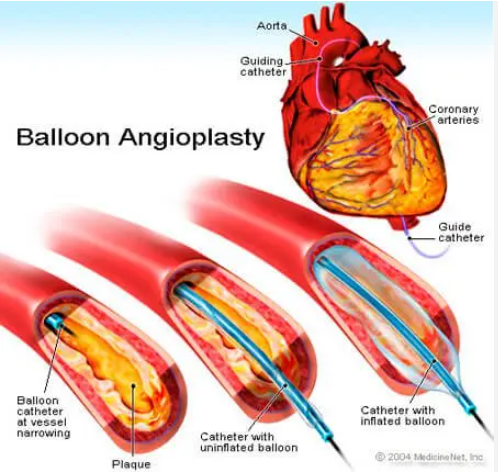
CRT devices are not for every heart failure patient. Your doctor may evaluate this option if you experience:
Persistent shortness of breath
Easy fatigue during daily activities
Swelling in legs or feet
Repeated hospital admissions for heart failure
Reduced exercise tolerance
Symptoms persisting despite optimal medical therapy
CRT devices are recommended only after structured testing, imaging, and rhythm assessment. Evaluation always comes first.
CRT implantation is recommended only after structured testing, imaging, and rhythm assessment — never as a first step.
It is important to remember that symptoms alone do not confirm the need for CRT. A detailed cardiac evaluation is essential.
Consult a cardiologist if you have persistent breathlessness, fatigue, or leg swelling despite medications, or if you have been advised a CRT device elsewhere and want a clear, unbiased explanation.
Not all heart failure patients require a device. Understanding the clinical criteria helps set realistic expectations.
Heart chambers beating out of sync (electrical dyssynchrony) reducing pumping efficiency
Reduced ejection fraction — weakened heart muscle not pumping enough blood
Specific electrical pattern on ECG (wide QRS) indicating conduction delay
Persistent symptoms despite optimised heart failure medications
The <strong>difference between CRT-P and CRT-D</strong>: CRT-P helps coordinate heartbeats, while CRT-D also protects against life-threatening heart rhythms. The choice depends on individual risk profile and heart function.
Heart failure management is step-wise and personalised, not device-first.
Many patients benefit from medical management as the primary approach:
For several patients, these measures remain the mainstay of congestive heart failure treatment, delaying or avoiding the need for devices. The focus is always on whether devices add value beyond what medications already provide.
When symptoms continue despite optimised medical care, cardiac device therapy may be considered.
CRT implantation is recommended only after:
Decisions are made jointly by doctor and patient—never unilaterally or under pressure.
At Trinity Hospital and Heart Foundation, CRT implant procedures are performed in a controlled cardiac environment with emphasis on careful patient selection and evidence-based protocols.
The implantation procedure:
Dr. B.G. Muralidhara focuses on:
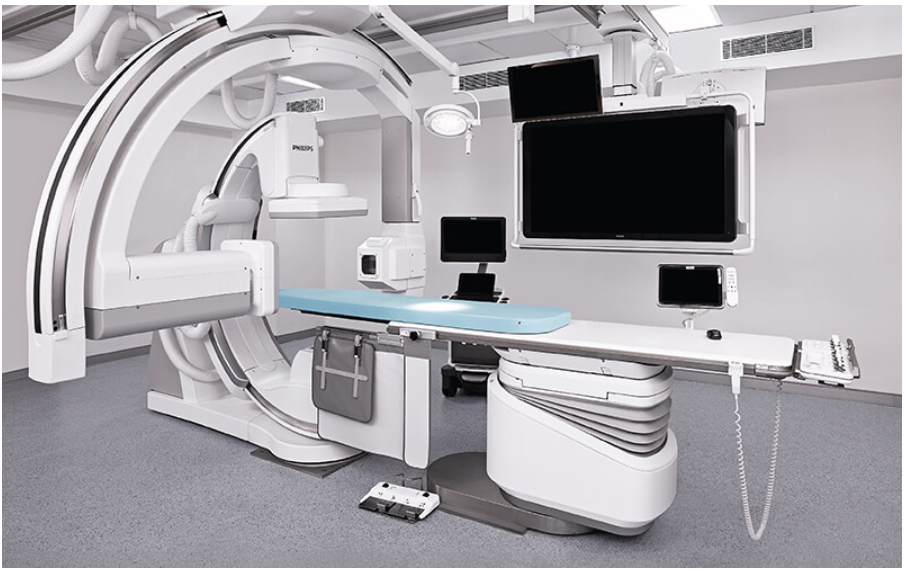
CRT implantation requires a specialised cardiac device implantation suite with advanced rhythm monitoring and imaging support.
The facility includes:
Financial Support Available:
Patients are encouraged to discuss insurance coverage and payment options with the hospital's care team before proceeding.
Uses a specialised pacemaker with leads to both heart chambers to coordinate beats and improve pumping efficiency. Recommended for heart failure patients with electrical dyssynchrony who do not have high risk of dangerous arrhythmias.
Combines CRT pacing with an integrated defibrillator for patients at higher risk of life-threatening heart rhythms. Provides both heart failure symptom improvement and protection against sudden cardiac events.
For patients with slow heart rhythms (bradycardia) that do not require full cardiac resynchronization. Method selection depends on individual heart electrical patterns and function.
When CRT is not indicated but rhythm protection is needed, an ICD may be recommended. For other patients, optimised advanced medical therapy alone remains the safest and most appropriate approach.
Recovery after CRT implantation is typically straightforward with a short hospital stay.
Immediate recovery:
Life after CRT:

At Trinity Hospital and Heart Foundation, Basavangudi, cardiac device therapy is offered only when clinically appropriate.
A consultation with Dr. B.G. Muralidhara focuses on:
Financial support at Trinity Hospital:
If you or a family member is exploring advanced heart failure management, a structured evaluation can help clarify the safest next step.
Dr. B. G. Muralidhara evaluates patients with heart failure and determines whether CRT-P, CRT-D, standard pacemaker, ICD, or optimised medical therapy is the most appropriate and individually suitable approach.
Trinity Hospital and Heart Foundation, Bangalore
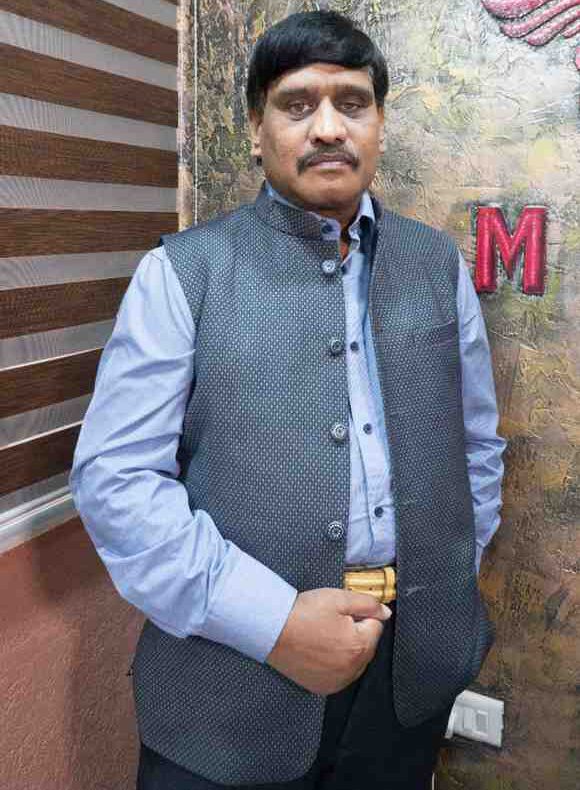
Dr. B. G. Muralidhara has extensive clinical experience of 30+ years in managing heart conditions including heart failure, electrical disorders, and cardiac device therapies.
His clinical work includes cardiac device evaluation, CRT implantation planning, and long-term heart failure management. Patients often consult him for clear explanations, second opinions, and guidance on whether device therapy is necessary or if medical management is sufficient for their condition.
Common questions and detailed answers about cardiac resynchronization therapy and heart failure devices
CRT-P helps coordinate heartbeats using a specialised pacemaker to improve heart pumping efficiency. CRT-D does the same but also includes a built-in defibrillator to protect against life-threatening heart rhythms.
No. CRT supports heart function and symptom control but does not cure heart failure. Medications and lifestyle management continue alongside device therapy.
Patients with specific heart rhythm delays (wide QRS), reduced ejection fraction, and persistent symptoms despite optimal medications. A detailed cardiac evaluation determines suitability.
Most patients experience minimal discomfort, managed with appropriate care during and after the procedure.
Battery life varies depending on device type and usage. It is monitored regularly during scheduled follow-up visits.
Many patients experience improved activity tolerance and reduced breathlessness. Outcomes depend on overall heart health and adherence to the care plan.
All procedures carry risks, which are discussed in detail during consultation. When performed in appropriate candidates, CRT is a well-established and safe procedure.
Yes. CRT complements — not replaces — heart failure medications. Medications continue and may be adjusted after device implantation.
Typically short, depending on recovery and clinical stability. Most patients are discharged within a day or two with structured follow-up arranged.
A detailed cardiac evaluation by your cardiologist is the only way to determine suitability. At Trinity Hospital, the consultation focuses on understanding your condition first — not on recommending a device automatically.
If you or a family member is experiencing persistent heart failure symptoms or has been advised a CRT device, consult with Dr. B.G. Muralidhara at Trinity Hospital and Heart Foundation, Basavangudi Bengaluru for a structured, patient-centred evaluation.
+91 8040136999
trinityheartfoundation@gmail.com
Trinity Hospital and Heart Foundation, Basavangudi, Bengaluru, Karnataka
 24 Hour Emergency Aid