

Chest pain, breathlessness, or sudden heart symptoms often raise concern about a blockage in the heart.
Coronary angiography is a medically guided diagnostic test that helps doctors understand whether the heart’s blood vessels are narrowed or blocked.
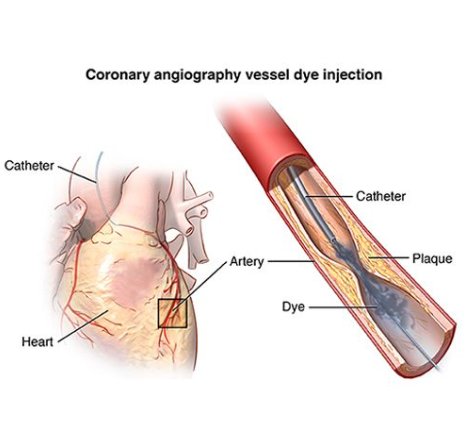
Coronary angiography is a medical test used to see the blood vessels that supply the heart (the coronary arteries). It helps doctors check for narrowing or blockages that can reduce blood flow to the heart muscle.
At Trinity Hospital, Basvangudi Bengaluru, coronary angiography is used to accurately assess heart health and guide further treatment decisions – not as a default procedure, but when clinically required.
Also available in nearby areas such as Basavangudi, Jayanagar, JP Nagar, VV Puram, Banashankari, and NR Colony
Coronary angiography is an angiography test that allows doctors to view the blood flow in the heart’s arteries using imaging technology.
The purpose of this test is to:
Identify blockage in heart arteries
Understand the severity and location of narrowing
Decide whether medication, angioplasty, or surgery is needed
It is a diagnostic procedure, not a treatment by itself.
Patients may be advised coronary angiography if they experience:
Chest pain or pressure, especially on exertion
Shortness of breath without clear cause
Recurrent dizziness or unexplained fatigue
Symptoms of heart attack
Abnormal findings during cardiac checkup packages
Known history of heart disease with worsening symptoms
Important: Symptoms for heart blockage vary. Only a cardiologist can determine if an angiography test is required.
Dr. B. G. Muralidhara is associated with the cardiology services at Trinity Hospital and Heart Foundation. He has extensive clinical experience of 30+ years in managing heart conditions and has been involved in the evaluation and treatment of a large number of patients with coronary artery disease.
His clinical work includes diagnostic angiography and angioplasty procedures, along with long-term cardiac care planning. Patients often consult him for clear explanations, second opinions, and guidance on whether angioplasty is necessary or if medical management is sufficient.
Treatment decisions depend on angiography findings, overall health, and symptom severity.
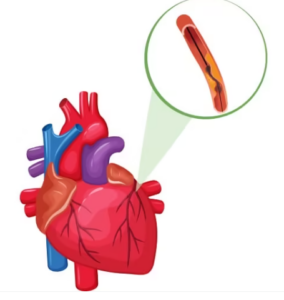
In many patients, heart blockage can be managed with:
Blood-thinning and cholesterol-lowering medications
Blood pressure control
Lifestyle changes and monitored follow-ups
Angiography helps confirm whether non-surgical management is sufficient.
If significant blockage is detected, doctors may recommend:
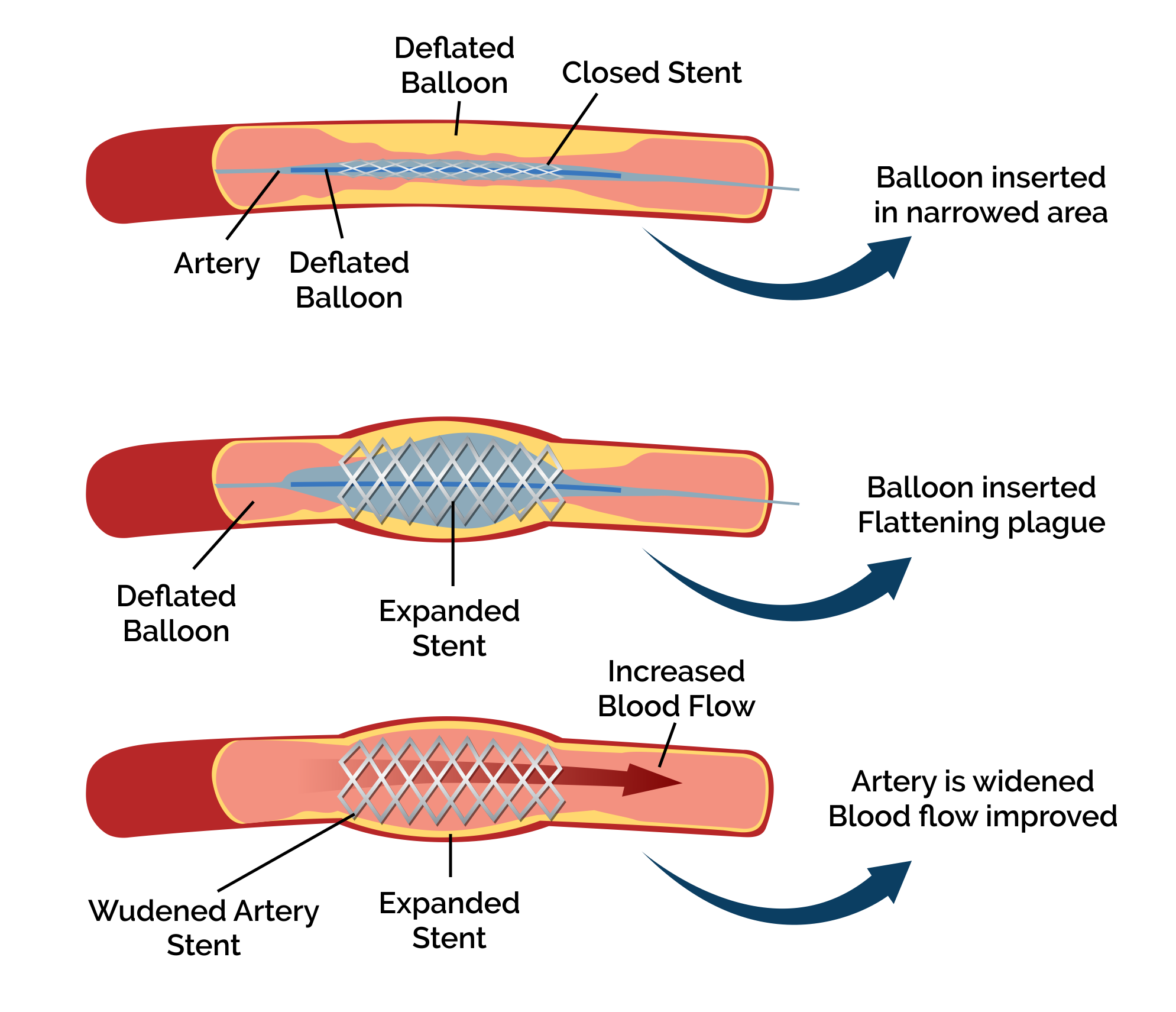
Angioplasty (to restore blood flow)
Surgical intervention in advanced cases
These decisions are taken only after careful evaluation — not all blockages require surgery.
Coronary angiography is preferred as it provides:
Clear visualization of coronary arteries
Accurate assessment of blockage severity
Guidance for future treatment planning
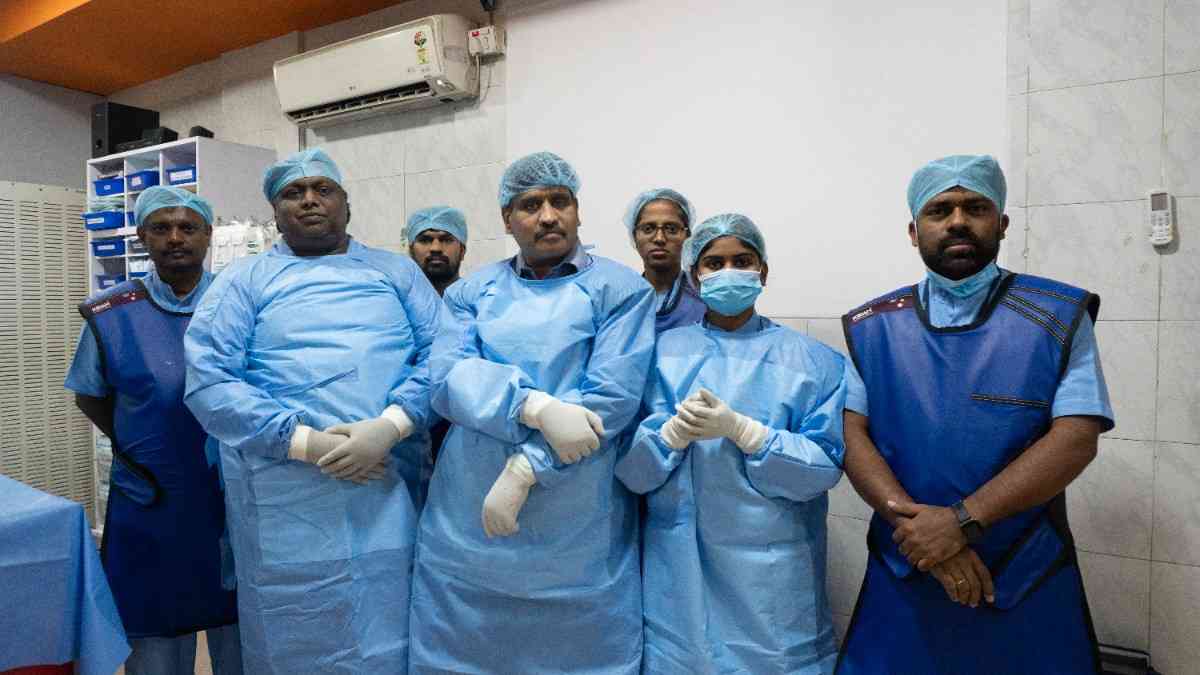
The procedure is performed by experienced cardiology teams following standard safety protocols.
CT Coronary Angiography Test: A non-invasive imaging option in selected cases
Angioplasty: Recommended when blockages significantly restrict blood flow
The choice between coronary angiography and CT angiography depends on symptoms, risk factors, and clinical judgment.
The Cardiology Department at Trinity Hospital manages:
Heart blockage and coronary artery disease
Heart attack evaluation and post-event care
Diagnostic tests including angiography
Interventional procedures and cardiac surgery when required
Internal departments:
Cardiology: https://www.trinityhospitalbangalore.com/cardiology/
Cardiac Surgery: https://www.trinityhospitalbangalore.com/cardiac-surgery/
Most medical centers offer charity programs, counseling,
and
financial assistance for those in need. Non-Muslims are welcome to visit
mosques. They should dress modestly and remove their shoes upon
entering.
Most medical centers offer charity programs, counseling,
and
financial assistance for those in need. Non-Muslims are welcome to visit
mosques. They should dress modestly and remove their shoes upon
entering.
Most medical centers offer charity programs, counseling,
and
financial assistance for those in need. Non-Muslims are welcome to visit
mosques. They should dress modestly and remove their shoes upon
entering.
Most medical centers offer charity programs, counseling,
and
financial assistance for those in need. Non-Muslims are welcome to visit
mosques. They should dress modestly and remove their shoes upon
entering.
Most medical centers offer charity programs, counseling,
and
financial assistance for those in need. Non-Muslims are welcome to visit
mosques. They should dress modestly and remove their shoes upon
entering.
The professionalism and efficiency of the clinic made my visit smooth and stress-free. I highly recommend Dr. Jakob Smith and Medova to anyone in need of top-quality medical care.

Heart Patient
The level of care and personalized treatment I received exceeded my expectations. Dr. Smith's dedication and the friendly atmosphere made the difference. Dr. Smith's expertise

Diet Patient
Most medical centers offer charity programs, counseling, and financial assistance for those in need.
A diagnostic test that shows blood flow and blockages in heart arteries.
Usually 30 to 60 minutes, depending on clinical findings.
Most medical centers offer charity programs, counseling, and
financial assistance for those in need. Non-Muslims are welcome to visit
mosques. They should dress modestly and remove their shoes upon entering.
Most medical centers offer charity programs, counseling, and
financial assistance for those in need. Non-Muslims are welcome to visit
mosques. They should dress modestly and remove their shoes upon entering.
Most medical centers offer charity programs, counseling, and
financial assistance for those in need. Non-Muslims are welcome to visit
mosques. They should dress modestly and remove their shoes upon entering.