

Chest pain, breathlessness, or sudden heart symptoms often raise concern about a blockage in the heart.
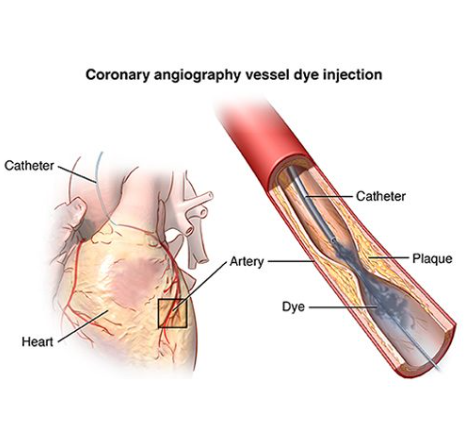
Coronary angiography is a medically guided diagnostic test that helps doctors understand whether the heart’s blood vessels are narrowed or blocked.
Coronary angiography is a medical test used to see the blood vessels that supply the heart (the coronary arteries). It helps doctors check for narrowing or blockages that can reduce blood flow to the heart muscle.
At Trinity Hospital, Basvangudi Bengaluru, coronary angiography is used to accurately assess heart health and guide further treatment decisions - not as a default procedure, but when clinically required.
Also available in nearby areas such as Basavangudi, Jayanagar, JP Nagar, VV Puram, Banashankari, and NR Colony
Coronary angiography is an angiography test that allows doctors to view the blood flow in the heart's arteries using imaging technology.
The purpose of this test is to:
It is a diagnostic procedure, not a treatment by itself.
Patients may be advised coronary angiography if they experience:
Chest pain or pressure, especially on exertion
Shortness of breath without clear cause
Recurrent dizziness or unexplained fatigue
Symptoms of heart attack
Abnormal findings during cardiac checkup packages
Known history of heart disease with worsening symptoms
Symptoms for heart blockage vary. Only a cardiologist can determine if an angiography test is required.
Professional medical evaluation is necessary for proper diagnosis.
It is important to remember that symptoms alone do not confirm the need for angiography. Proper diagnosis is essential.
You should consult a cardiologist if you experience chest pain, breathlessness, abnormal findings in cardiac checkups, or if you have a known history of heart disease with worsening symptoms.
Dr. B. G. Muralidhara is associated with the cardiology services at Trinity Hospital and Heart Foundation. His clinical work includes diagnostic angiography and angioplasty procedures, along with long-term cardiac care planning.
Trinity Hospital and Heart Foundation, Bangalore
Dr. B. G. Muralidhara has extensive clinical experience of 30+ years in managing heart conditions and has been involved in the evaluation and treatment of a large number of patients with coronary artery disease.
Patients often consult him for clear explanations, second opinions, and guidance on whether angioplasty is necessary or if medical management is sufficient.

Treatment decisions depend on angiography findings, overall health, and symptom severity.
In many patients, heart blockage can be managed with:
Angiography helps confirm whether non-surgical management is sufficient.
If significant blockage is detected, doctors may recommend:
These decisions are taken only after careful evaluation — not all blockages require surgery.
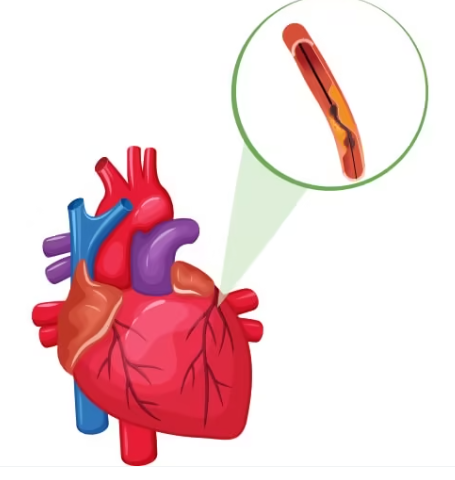
Heart blockage occurs when coronary arteries become narrowed due to plaque buildup.
High cholesterol levels
High blood pressure
Diabetes and smoking
Family history of heart disease
Angiography provides clear visualization of these blockages and helps determine the best treatment approach.
Coronary angiography is preferred as it provides clear visualization of coronary arteries, accurate assessment of blockage severity, and guidance for future treatment planning. The procedure is performed by experienced cardiology teams following standard safety protocols.
A non-invasive imaging option in selected cases. The choice between coronary angiography and CT angiography depends on symptoms, risk factors, and clinical judgment.
Recommended when blockages significantly restrict blood flow. This is an interventional procedure that may follow diagnostic angiography if significant blockages are found.
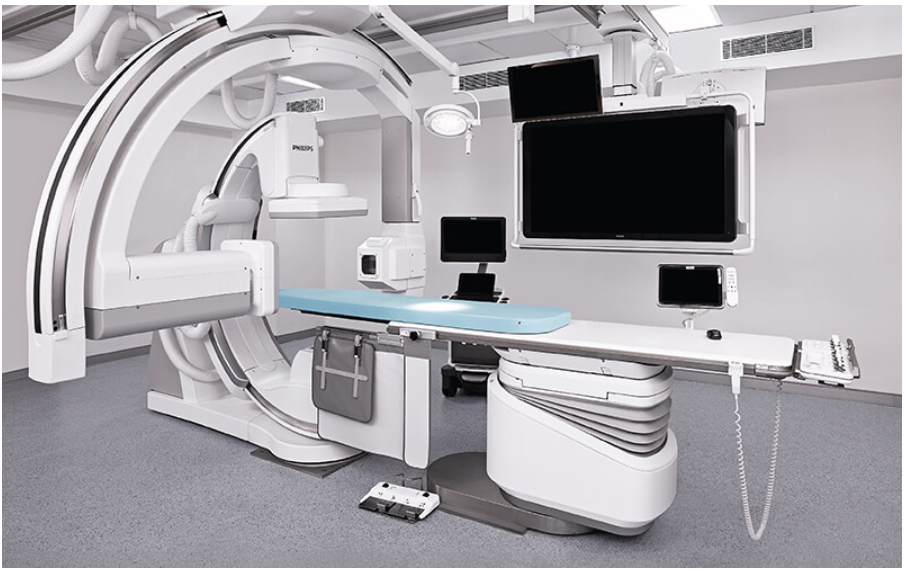
Coronary angiography is performed in a specialized cardiac catheterization laboratory (Cath Lab).
During the procedure:
The procedure usually takes 30 to 60 minutes, depending on clinical findings.
Angiography is performed in a specialized unit called a cardiac catheterization laboratory, commonly known as a Cath Lab.
The Cath Lab allows cardiologists to visualize heart arteries in real time and make accurate diagnostic decisions. This technology supports safe diagnosis, precise evaluation, and careful monitoring throughout the procedure.
At Trinity Hospital and Heart Foundation, Cath Lab facilities support comprehensive cardiac evaluation and diagnostic care.
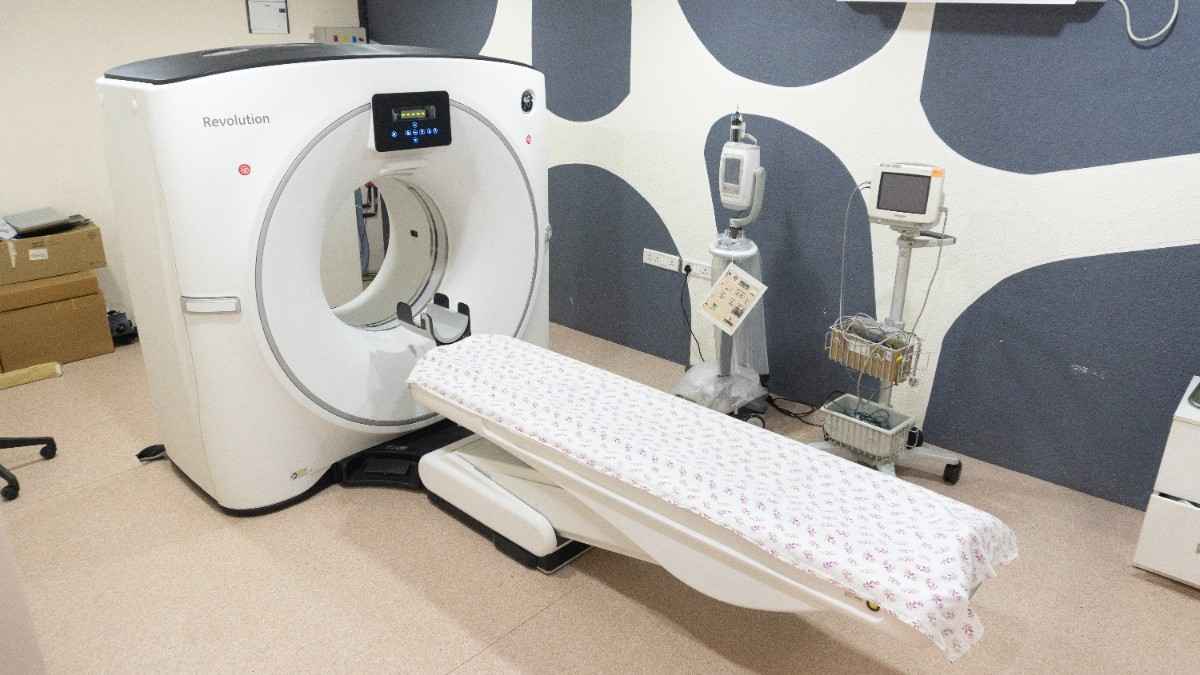
After coronary angiography, patients are monitored for a short period before discharge.
Most patients experience:
Follow-up appointments are scheduled to discuss results and next steps in treatment or management.

After the angiography test, the cardiologist reviews the images and explains the findings to the patient and family.
Based on results, recommendations may include:
The goal is to ensure patients understand their condition clearly and feel confident about the treatment plan.
The Cardiology Department at Trinity Hospital manages heart blockage and coronary artery disease, heart attack evaluation and post-event care, diagnostic tests including angiography, and interventional procedures and cardiac surgery when required.
Trinity Hospital and Heart Foundation, Bangalore
Cardiology: Comprehensive diagnostic and medical management of heart conditions
Cardiac Surgery: Advanced surgical interventions when required
Our integrated approach ensures patients receive coordinated care across all cardiac specialties.
Common questions and detailed answers about coronary angiography procedures
A diagnostic test that shows blood flow and blockages in heart arteries.
Usually 30 to 60 minutes, depending on clinical findings.
Most patients feel mild discomfort, not pain.
Chest pain, breathlessness, fatigue, or heart attack symptoms.
No. Angiography diagnoses blockage; angioplasty treats it.
Only if angiography shows significant artery blockage.
A non-invasive imaging test for selected heart patients.
Cost varies based on clinical need and hospital protocols.
No. Many are managed with medicines and monitoring.
If you have chest pain, breathlessness, or abnormal heart tests.
If you're experiencing heart symptoms or need a diagnostic evaluation, consult with our experienced cardiology team at Trinity Hospital, Basvangudi Bengaluru.
+91 8040136999
trinityheartfoundation@gmail.com
Trinity Hospital and Heart Foundation, Basavangudi, Bengaluru, Karnataka
 24 Hour Emergency Aid