

Complex angioplasty is an advanced heart procedure designed for patients whose coronary artery blockages cannot be treated safely or effectively with routine angioplasty alone. These blockages are often long-standing, hardened with calcium, or located in technically difficult areas of the heart arteries.
At Trinity Hospital and Heart Foundation, Basavangudi, complex angioplasty is offered to help restore blood flow to the heart muscle while avoiding open-heart surgery wherever possible. Under the care of Dr. B.G. Muralidhara, the focus remains on careful evaluation, clarity of options, and choosing the least aggressive treatment that is medically appropriate for each patient.
Many patients who are advised this treatment are already dealing with symptoms such as breathlessness, chest discomfort, or reduced stamina. This page aims to explain the treatment clearly so patients and families can make informed decisions.
Patients from Basavangudi, Jayanagar, JP Nagar, VV Puram, Banashankari, and NR Colony frequently consult for cardiac evaluation.
Complex angioplasty is a form of coronary angioplasty used when artery blockages are unusually hard, heavily calcified, or resistant to standard balloon expansion. In such cases, simply pushing a balloon or placing a stent may not open the artery safely.
Rotablation angioplasty uses a specialised technique to gently modify hardened calcium deposits inside the artery. This allows better expansion of balloons and stents, helping restore blood flow to the heart.
In cardiology, this approach is often referred to as "rota", and when combined with IVUS (Intravascular Ultrasound), it allows the cardiologist to understand the artery from the inside and plan treatment more precisely.
The goal is not aggression—it is controlled, accurate treatment when simpler methods are not enough.
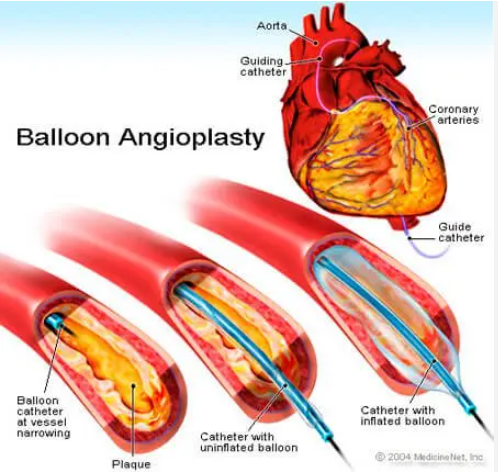
Patients who eventually require complex angioplasty may experience a range of symptoms, including:
Persistent or recurrent chest discomfort
Shortness of breath, especially on exertion
Fatigue with minimal activity and reduced exercise tolerance
Shortness of breath after eating, in some individuals
Symptoms that continue despite medications or prior angioplasty
If you are experiencing shortness of breath that is new, progressive, or unexplained, a cardiology evaluation is strongly advised.
A cardiology evaluation is strongly advised for any new, progressive, or unexplained shortness of breath.
It is important to remember that symptoms alone do not confirm the need for complex angioplasty. Proper imaging and diagnosis is essential.
You may consider consulting a cardiologist if you have ongoing chest discomfort, breathlessness affecting daily activities, have been referred for complex angioplasty, or previous angioplasty results were incomplete or short-lived.
Patients often ask about the chances of blockage after angioplasty. Long-term success depends on multiple factors.
Medication adherence after the procedure
Risk factor control — diabetes, cholesterol, smoking
Regular follow-up and scheduled monitoring
Lifestyle modifications sustained over the long term
Complex angioplasty aims to improve quality of life and heart function—not replace long-term cardiac care. While modern stents and techniques have significantly improved outcomes, no procedure can guarantee lifelong freedom from disease.
Treatment decisions are never one-size-fits-all. At Trinity Hospital and Heart Foundation, care begins with understanding the patient—not rushing to a procedure.
In many patients, symptoms and disease progression can be managed through:
Medication may be sufficient when blockages are stable and symptoms are controlled. Ongoing assessment helps determine whether intervention is needed later.
An interventional approach is considered when:
Complex angioplasty is chosen only when medically necessary, after careful imaging and discussion with the patient and family. A consultation does not mean a procedure is automatic.
At Trinity Hospital and Heart Foundation, complex angioplasty is often supported by a combination of advanced techniques.
Rotablation — for heavily calcified blockages:
IVUS (Intravascular Ultrasound) — for precision imaging:
The emphasis is on precision, safety, and appropriate case selection—not on using advanced tools unless clearly indicated.
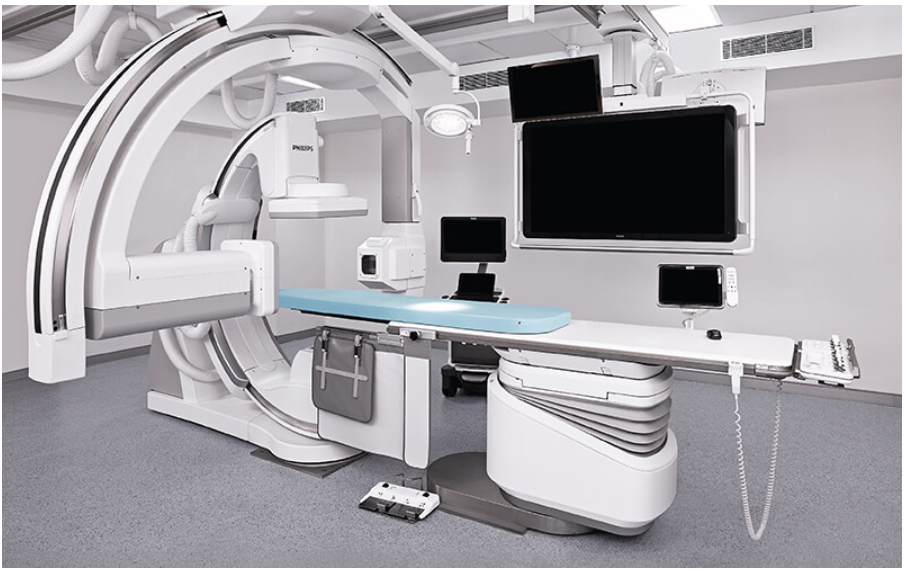
Complex angioplasty requires a fully equipped catheterization laboratory with advanced imaging and interventional capabilities.
Facility includes:
At Trinity Hospital and Heart Foundation, complex angioplasty procedures are performed with careful pre-procedure imaging and planning, ensuring each patient receives treatment tailored to their specific artery anatomy and condition.
Rotablation addresses heavily calcified blockages by modifying hardened calcium deposits, while IVUS provides real-time imaging from inside the artery. This combination enables better understanding of calcium severity, more controlled stent placement, and improved procedural planning in difficult cases.
For less calcified blockages where standard balloon expansion is feasible, conventional angioplasty may be sufficient. The decision between standard and complex angioplasty depends on artery anatomy and calcium burden.
A cutting balloon uses small blades to score calcified or fibrotic tissue before stent placement, helping achieve better stent expansion in selected cases. May be used alone or in combination with rotablation.
In select situations where complex angioplasty is not feasible or carries significant risk, coronary artery bypass surgery may be recommended. Method selection depends on artery anatomy, overall heart function, and patient-specific risk factors.
Recovery after complex angioplasty is typically managed carefully given the nature of the treated vessels.
Recovery includes:
Long-term success depends on:

Under the leadership of Dr. B.G. Muralidhara, patients receive comprehensive, patient-centred care.
Patients can expect:
The focus is always on doing what is necessary—and avoiding what is not.
A consultation at Trinity Hospital is meant to understand your symptoms, test results, and treatment options. Many patients are managed without intervention. The goal is informed decision-making—not rushing into a procedure.
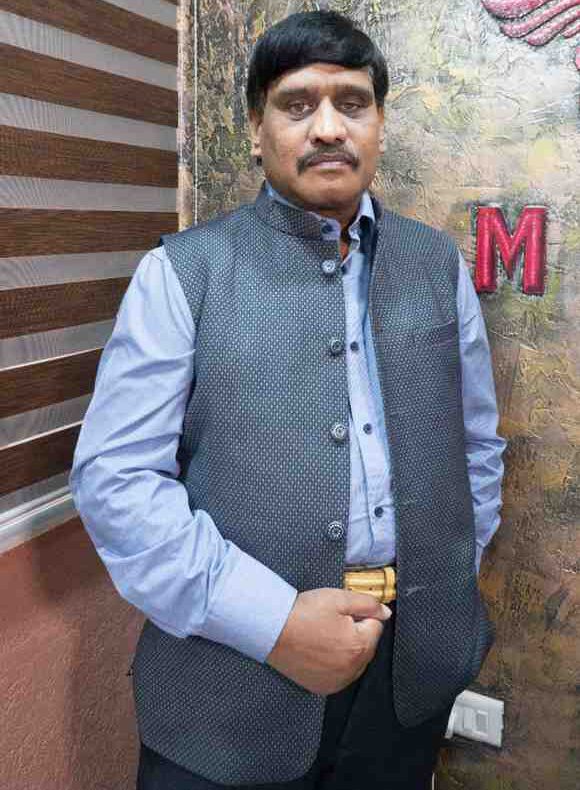
Dr. B. G. Muralidhara evaluates patients with complex coronary artery disease and determines the most appropriate treatment approach, whether medical management, standard angioplasty, or complex intervention with rotablation and IVUS.
Trinity Hospital and Heart Foundation, Bangalore
Dr. B. G. Muralidhara has extensive clinical experience of 30+ years in managing heart conditions and has been involved in the evaluation and treatment of a large number of patients with complex coronary artery disease including heavily calcified blockages.
His clinical work includes diagnostic angiography, complex angioplasty procedures including rotablation and IVUS-guided interventions, and long-term cardiac care planning. Patients often consult him for clear explanations, second opinions, and guidance on whether complex intervention is necessary or if medical management is sufficient.
Common questions and detailed answers about rotablation, IVUS, and complex coronary interventions
Rotablation angioplasty is a specialised form of angioplasty used when coronary artery blockages are very hard due to calcium deposits. In such cases, standard balloons may not expand properly. Rotablation helps modify these hardened areas so blood flow can be restored more safely and effectively.
In cardiology, rota is a commonly used term referring to rotablation. It involves the use of a specialised device to treat heavily calcified artery blockages that are difficult to manage with routine angioplasty techniques.
Complex angioplasty is used for blockages that are longer, more calcified, or located in challenging parts of the coronary arteries. Regular angioplasty is often sufficient for simpler blockages, while complex angioplasty requires advanced planning, imaging, and techniques.
No. Not all severe blockages require complex angioplasty. In many patients, medications, lifestyle changes, and monitoring may be sufficient. The decision depends on symptoms, blood flow, heart function, and overall health.
Yes, shortness of breath can be a symptom of reduced blood flow to the heart, especially when it occurs during activity or worsens over time. However, it can also have non-cardiac causes. A cardiologist evaluation is important to determine the exact reason.
In some individuals, shortness of breath after eating may be linked to heart conditions, especially if it occurs regularly or is associated with chest discomfort or fatigue. It should be medically assessed rather than ignored.
While modern stents and techniques have reduced recurrence rates, blockages can re-develop over time. Long-term outcomes depend on medication adherence, lifestyle control, and regular follow-up rather than the procedure alone.
Rotablation angioplasty is typically performed only in carefully selected patients where the benefits outweigh the risks. When done in experienced centres with proper imaging and planning, it is considered a controlled and well-established procedure.
Yes. Depending on the artery structure and calcium severity, alternatives may include cutting balloons, high-pressure balloons, imaging-guided stenting, or in some cases, bypass surgery. The choice is individualised for each patient.
No. A consultation is meant to understand your symptoms, test results, and treatment options. Many patients are managed without intervention. The goal is informed decision-making—not rushing into a procedure.
If you have been advised complex angioplasty or are experiencing persistent cardiac symptoms, consult with Dr. B.G. Muralidhara at Trinity Hospital and Heart Foundation, Basavangudi Bengaluru for comprehensive evaluation and clear guidance.
+91 8040136999
trinityheartfoundation@gmail.com
Trinity Hospital and Heart Foundation, Basavangudi, Bengaluru, Karnataka
 24 Hour Emergency Aid