

High blood pressure is one of the most common reasons patients are referred for further cardiac evaluation — but BP readings alone do not always tell the full story. Ambulatory BP Monitoring records how your blood pressure actually behaves across a full 24-hour period during real daily activities, rest, and sleep.
At Trinity Hospital and Heart Foundation, Basavangudi, ambulatory BP monitoring is used alongside cardiac imaging such as CT Coronary Angiography as a decision-support tool — not as a default step toward surgery. Under the guidance of Dr. B.G. Muralidhara, these investigations help assess heart risk early, plan treatment accurately, and avoid unnecessary interventions wherever possible.
Patients from Basavangudi, Jayanagar, JP Nagar, VV Puram, Banashankari, and NR Colony frequently consult for cardiac evaluation.
An Ambulatory Blood Pressure Monitor (ABPM) is a wearable device that automatically records blood pressure at regular intervals over 24 hours — during daily activities, exercise, rest, and sleep.
What ambulatory BP monitoring helps clarify:
Before further cardiac imaging such as CT Coronary Angiography, routine checks using a digital BP machine or automatic BP monitor are done to ensure patient stability and safety before the scan.
Patients may be advised ambulatory BP monitoring or CT Coronary Angiography evaluation if they experience:
Chest pain or tightness, especially on exertion
Shortness of breath without a clear cause
Unexplained fatigue or reduced exercise tolerance
Dizziness or symptoms associated with high blood pressure
Hypertension headache symptoms — morning headaches or pressure behind the eyes
Abnormal home BP monitor readings or fluctuating BP on ambulatory BP monitor reports
Not every patient with high BP needs CT Coronary Angiography or ambulatory BP monitoring. Clinical evaluation determines the appropriate test.
These tests are recommended only after a cardiologist's evaluation — not for routine self-referral or self-diagnosis.
It is important to remember that symptoms and BP readings alone do not determine the need for cardiac imaging. A cardiologist's evaluation is essential.
Consult a cardiologist if you have persistent high BP readings from a home BP monitor, symptoms of hypertension-related headaches, chest discomfort, breathlessness, or abnormal findings during a BP check-up, and need clarity on whether further cardiac evaluation is required.
High blood pressure affects how the heart works over time. Understanding its patterns helps guide appropriate cardiac evaluation.
Sustained high BP identified via ambulatory BP monitoring may prompt further cardiac evaluation
Hypertension headache causes — sustained high BP, stress, or poor BP control leading to morning pressure symptoms
Long-standing uncontrolled high BP can affect coronary arteries — increasing blockage risk over time
Fluctuating BP readings on home BP monitor or arterial BP monitoring may indicate need for structured assessment
CT Coronary Angiography helps correlate BP-related symptoms with actual coronary artery condition — providing a clearer picture than BP readings alone can offer.
Ambulatory BP monitoring and CT Coronary Angiography are part of a step-by-step cardiac evaluation — not treatments in themselves. The findings guide appropriate care.
If findings show mild or moderate changes, management may include:
Patients with fluctuating readings may be advised ambulatory BP monitoring — recording BP over 24 hours to clarify what ambulatory blood pressure monitoring shows and how BP behaves during daily activities, rest, and sleep.
Many patients do not require any procedure and are managed conservatively with medication and monitoring.
Intervention is considered only when:
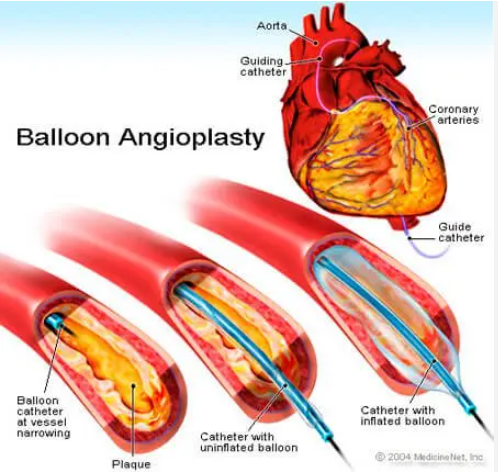
CT Coronary Angiography helps avoid unnecessary invasive angiography in many patients. Decisions are based on symptoms, BP readings including arterial BP monitoring findings, and overall clinical risk profile.
At Trinity Hospital and Heart Foundation, blood pressure stability is carefully monitored using automatic BP monitors and standard blood pressure equipment before and during cardiac evaluation.
Ambulatory BP Monitoring process:
CT Coronary Angiography process:
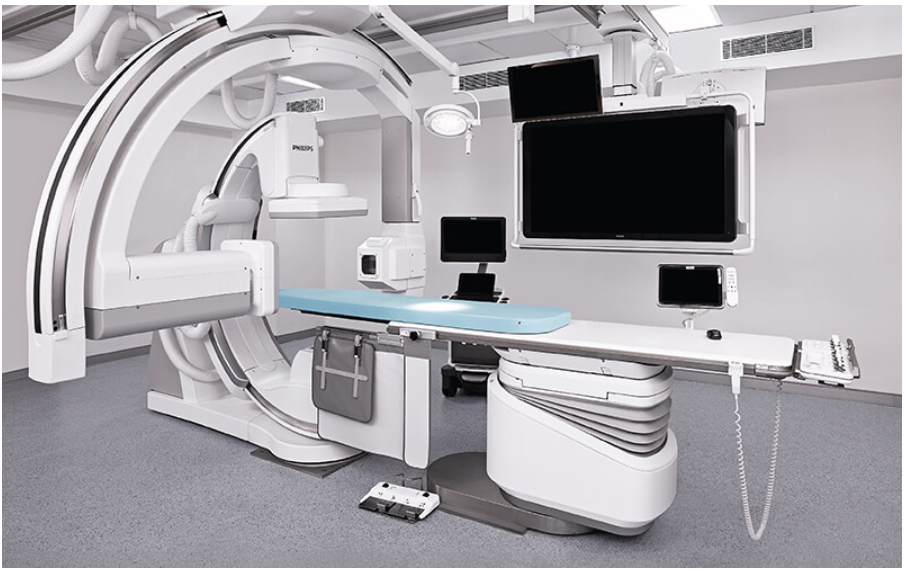
At Trinity Hospital and Heart Foundation, both ambulatory BP monitoring and CT Coronary Angiography are supported by clinically validated equipment and physician-reviewed reporting.
Facility includes:
EMI Facility:
Mediclaim & Insurance Coverage:
Wearable device automatically records blood pressure at regular intervals over 24 hours. Captures real-world BP patterns during daily activities, exercise, rest, and sleep. Clarifies whether clinic readings represent true hypertension, white coat effect, or masked hypertension. Guides medication decisions and cardiac referral.
Non-invasive CT scan of heart arteries providing detailed coronary artery images without catheter insertion. Used when BP-related symptoms or risk factors suggest possible coronary artery disease. Preferred for initial cardiac imaging assessment — same-day outpatient procedure with no hospital admission required.
Treadmill or pharmacological stress test assessing heart function under physical demand. Used as an alternative or complement to CT coronary angiography depending on symptoms and clinical findings. Helps evaluate whether BP and cardiac symptoms are exertion-related.
Invasive angiography reserved for patients where CT findings are inconclusive or intervention is anticipated. Advanced cardiac imaging such as stress echocardiography provides additional functional assessment. Method selection depends on symptoms, BP readings including arterial BP monitoring findings, and overall clinical risk profile.
After ambulatory BP monitoring and any cardiac imaging, results are reviewed in the full context of your symptoms, risk factors, and clinical history.
Depending on findings, next steps may include:
After CT Coronary Angiography:
Most patients resume normal activities the same day. The test is painless and done as an outpatient in most cases. Hydration guidance may be provided following contrast dye use.

If you are experiencing symptoms, abnormal BP readings from a home BP monitor, or have been referred for further cardiac evaluation, a consultation with Dr. B.G. Muralidhara at Trinity Hospital and Heart Foundation, Basavangudi can help determine whether ambulatory BP monitoring or CT Coronary Angiography is appropriate for you.
This assessment is always based on clinical need, not routine testing.
The consultation includes:
Financial support available:
At Trinity Hospital and Heart Foundation, BP monitoring and cardiac imaging investigations are part of a structured, physician-led evaluation pathway. Results are interpreted by Dr. B. G. Muralidhara in the full context of each patient's symptoms, BP history, and overall cardiovascular risk — with a focus on clarity and avoiding unnecessary procedures.
Trinity Hospital and Heart Foundation, Bangalore
Dr. B. G. Muralidhara has extensive clinical experience of 30+ years in managing heart conditions including hypertension, coronary artery disease, and complex cardiac evaluation pathways.
His clinical work includes ambulatory BP monitoring interpretation, CT coronary angiography evaluation, diagnostic angiography, and long-term cardiac care planning. Patients often consult him for clear explanations of BP and imaging results, second opinions, and guidance on whether findings require intervention or medical management is sufficient.

Common questions and detailed answers about BP monitoring, hypertension evaluation, and cardiac imaging
No. It is a painless, non-invasive imaging test. A contrast dye is given through an IV line and the scan is completed while the patient lies still — no catheter insertion into the heart.
Patients with chest pain, abnormal BP patterns, or unclear cardiac symptoms after clinical evaluation. It is not a routine screening test — a cardiologist determines suitability based on symptoms and risk.
BP is checked using a digital BP machine or automatic BP monitor before the scan to confirm patient stability and safety prior to contrast dye administration.
In many cases, yes. CT coronary angiography provides detailed non-invasive coronary artery assessment. However, conventional angiography may still be needed when intervention is anticipated or CT findings are inconclusive.
Uncontrolled or fluctuating BP identified via ambulatory BP monitoring may prompt further cardiac evaluation, especially if associated with chest symptoms, dizziness, or other cardiac risk factors.
Common hypertension headache causes include sustained high BP, stress, or poor BP control — leading to morning headaches or pressure behind the eyes. These symptoms may warrant clinical evaluation to rule out cardiac involvement.
Usually no. It is done as an outpatient procedure. Most patients resume normal activities the same day.
It provides detailed anatomical information on coronary arteries when used appropriately and in the right clinical context. Accuracy depends on patient heart rate, vessel calcification, and imaging quality.
Clinically validated blood pressure devices and BP apparatus are used — including digital BP machines and automatic BP monitors for accurate pre-scan and ambulatory BP assessment.
It helps guide decisions but does not automatically mean surgery is required. CT coronary angiography findings are one part of the clinical picture — interpreted alongside symptoms, BP history, and overall health.
Experiencing high BP readings, hypertension headaches, chest discomfort, or breathlessness? Schedule a consultation with Dr. B.G. Muralidhara at Trinity Hospital and Heart Foundation, Basavangudi Bengaluru for structured, guideline-based cardiac evaluation.
+91 8040136999
trinityheartfoundation@gmail.com
Trinity Hospital and Heart Foundation, Basavangudi, Bengaluru, Karnataka
 24 Hour Emergency Aid