

At Trinity Heart Foundation, patients receive personalized cardiac treatment from experienced specialists known for managing critical and challenging heart cases with precision and care.
With the strength of 40+ Years of Trusted Cardiac Care Experience, Trinity Heart Foundation provides advanced angioplasty treatment for routine, complex, and high-risk heart conditions using modern cardiac technology and expert clinical care.

Highly experienced in advanced cardiac interventions and management of complex coronary artery disease, critical heart conditions, and high-risk angioplasty procedures.
Experienced in advanced interventional cardiology with a strong focus on accurate diagnosis, minimally invasive heart procedures, and patient-centered cardiac care.
Known for providing timely cardiac evaluation and evidence-based treatment for patients with heart artery blockages, chest pain, heart attack symptoms, and other cardiovascular conditions.
Seek immediate cardiac consultation if you experience:
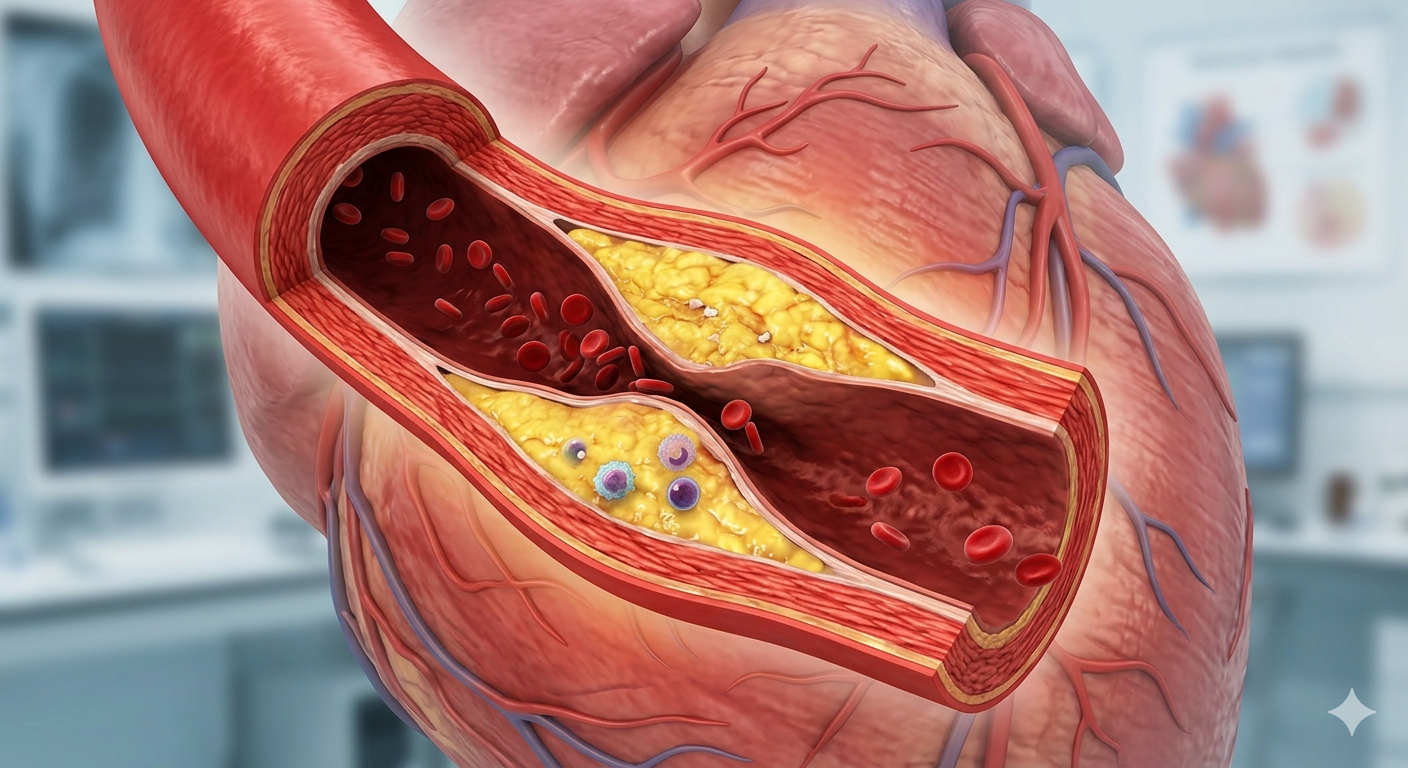
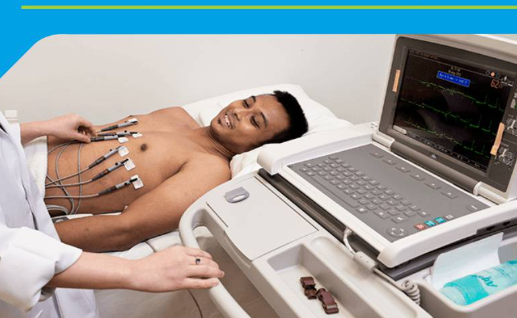
Trinity Heart Foundation provides rapid cardiac evaluation and emergency heart care support for critical conditions including heart attacks and severe coronary artery blockages.
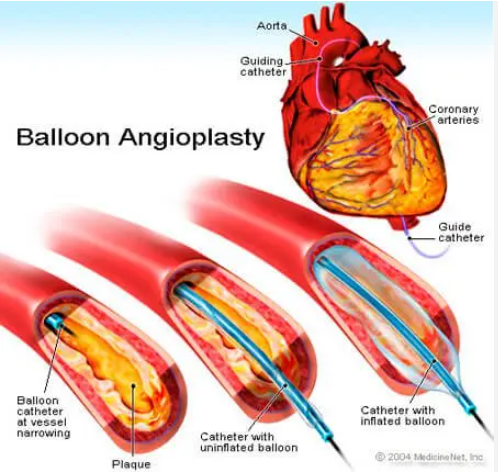
Common questions and detailed answers about angioplasty procedures and recovery
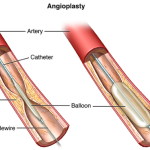
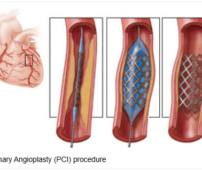
Angioplasty is a minimally invasive procedure used to open narrowed heart arteries and improve blood flow.
Most patients experience minimal discomfort, which is managed with medication.
In selected cases, angioplasty may be performed without placing a stent.
The procedure itself is usually short, but monitoring may be required afterward.
Both treatments serve different purposes. The choice depends on artery condition and patient health.
Angioplasty improves blood flow but long-term prevention depends on medication, lifestyle changes, and regular follow-up.
Most patients return to routine activities gradually, as advised by their cardiologist.
No. Many blockages can be managed with medication and monitoring based on severity and symptoms.
No. Angioplasty is usually done under local anesthesia with the patient awake.
Yes. Blockages can recur, which is why ongoing medication and lifestyle care are important.